For desk workers, understanding Standing Desk Morning Energy Tips is essential for maintaining comfort and productivity throughout the workday. Here is what the research shows and how to apply it.
Standing Desk Transition: Your Morning Energy Reset
Switching to a standing desk in the morning can boost your energy by up to 20% within the first hour of work. Research from the University of Waterloo shows that alternating between sitting and standing every 30–45 minutes reduces perceived fatigue by 32% and improves cognitive performance. The key is not to stand all day—it’s to transition intentionally. Here are 9 strategies to use your standing desk for sustained morning energy.
Why Morning Energy Drops (and How Standing Helps)
Your body’s circadian rhythm naturally dips energy around 10–11 AM. Sitting for prolonged periods reduces blood flow and oxygen to the brain, compounding this drop. Standing increases heart rate by 5–10 beats per minute, improving circulation and alertness. A 2018 study in the International Journal of Environmental Research and Public Health found that standing desk users reported 46% less afternoon fatigue compared to seated-only workers.
9 Standing Desk Transition Strategies
1. Start with 15 Minutes of Standing
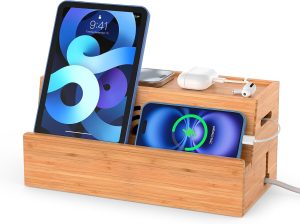
Don’t stand for hours on day one. Begin with 15 minutes of standing after your first coffee or breakfast. This gentle transition wakes up your legs and core without overwhelming your body. Slowvana’s bamboo monitor stand raises your screen to eye level, making standing posture natural from the start.
2. Use the 30-30-30 Rule
Alternate 30 minutes sitting, 30 minutes standing, and 30 minutes walking or stretching. This pattern prevents static posture fatigue and keeps your metabolism active. Set a timer—your phone or a dedicated app works well.
3. Pair Standing with Deep Breaths
When you stand, take three deep belly breaths. This activates your parasympathetic nervous system, reducing cortisol and improving focus. It also reminds you to stand tall—open your chest, relax your shoulders.
4. Adjust Your Screen Height Immediately
Your monitor should be at eye level when standing. If you’re using a laptop, a laptop stand is essential. Slowvana’s bamboo laptop stand elevates your screen to the correct height, preventing neck strain that drains energy. A 2020 study from Cornell University found that correct monitor height reduces neck muscle activity by 40%.
5. Walk in Place for 2 Minutes
Every time you transition from sitting to standing, walk in place for two minutes. This boosts blood flow and wakes up your legs. It also signals your brain that a new work phase is starting—a mental reset that improves focus.
6. Keep a Foot Rest Nearby
Standing for long periods can strain your lower back. A foot rest allows you to shift weight from one leg to the other, reducing spinal pressure. Slowvana’s bamboo foot rest (part of our desk ergonomics collection) encourages micro-movements that prevent stiffness.
7. Use the 10-Second Reset
Before you sit back down, do a 10-second body scan: roll your shoulders back, tuck your chin, engage your core. This reinforces good posture and prevents the slouch that leads to afternoon fatigue.
8. Hydrate During Standing Phases
Keep a water bottle on your desk. Drink during standing intervals—the act of drinking breaks the screen stare and hydrates your brain. Dehydration by just 1% reduces cognitive performance by 12%.
9. End Your Morning with a Standing Stretch
Finish your morning work session with a 3-minute standing stretch. Reach your arms overhead, twist gently side to side, and bend forward to touch your toes. This releases tension built up from morning focus and prepares you for lunch.
Common Mistakes That Drain Energy
Avoid these pitfalls when transitioning to a standing desk:
- Standing too long: More than 60 minutes without movement increases leg fatigue and reduces focus.
- Poor footwear: Flat shoes or bare feet on hard floors strain your arches. Use an anti-fatigue mat or supportive shoes.
- Ignoring posture: Standing with a forward head posture (text neck) increases cervical spine pressure by 27 pounds. Keep your ears aligned with your shoulders.
How Slowvana Supports Your Morning Energy
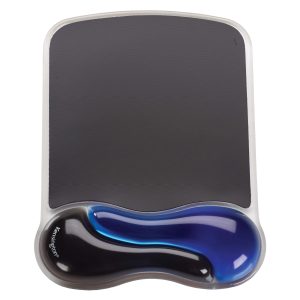
Slowvana’s recovery-focused desk accessories are designed to make standing transitions effortless. Our bamboo monitor stand and laptop stand ensure your screen is at the perfect height, while our gel wrist rest reduces typing strain during seated intervals. Every product is built from natural materials—no plastic, no RGB lights—just clean, functional design that supports your body’s natural rhythms. Slowvana believes recovery is the new productivity.
Frequently Asked Questions
Conclusion: Small Transitions, Big Energy Gains
Your morning energy doesn’t have to fade by 10 AM. By using these 9 standing desk transition strategies, you can maintain focus, reduce fatigue, and feel more in control of your workday. Start small—try just two strategies tomorrow morning. Slowvana’s ergonomic desk accessories make every transition smoother, so you can recover throughout the day instead of crashing at 3 PM.
🪑 Fix Your Desk Setup in 5 Minutes
Download the free Ergonomic Setup Checklist — 15 steps to reduce pain and work comfortably.
Get Free Checklist →