Here are 9 evidence-based Natural Sleep Aids That Work that address specific aspects of desk wellness. Each method targets a different pain point, giving you a complete toolkit for recovery at work.
Struggling to fall asleep after a long day at your desk? You’re not alone. The best natural sleep aids don’t just help you drift off — they address the root causes of poor sleep that desk workers face daily: blue light exposure, prolonged sitting, and mental overstimulation. Here are 9 evidence-backed natural sleep aids that actually work, ranked by effectiveness and ease of use.
Why Desk Workers Struggle with Sleep
Before we dive into the solutions, let’s understand the problem. Desk workers are uniquely vulnerable to sleep disruption. A 2023 study in Sleep Health found that people who sit for more than 8 hours daily are 27% more likely to experience insomnia symptoms. The reasons are clear: reduced physical activity disrupts your circadian rhythm, blue light from screens suppresses melatonin production, and mental stress from work keeps your brain alert long after you close your laptop.
At Slowvana, we believe recovery is the new productivity. Sleep is the foundation of that recovery. Here’s how to fix it naturally.
1. Magnesium Glycinate: The Muscle Relaxer
Magnesium is involved in over 300 biochemical reactions in your body, including sleep regulation. Magnesium glycinate, in particular, is highly absorbable and known for its calming effects on the nervous system. A 2021 meta-analysis in Nutrients found that magnesium supplementation significantly improved sleep quality and reduced sleep onset latency — especially in people with low magnesium levels.
How to use: Take 200–400 mg of magnesium glycinate 30–60 minutes before bed. Avoid magnesium oxide, which is poorly absorbed and can cause digestive upset.
2. L-Theanine: Calm Without Drowsiness
L-theanine is an amino acid found in green tea that promotes relaxation without sedation. It works by increasing GABA, serotonin, and dopamine levels in the brain — the same neurotransmitters targeted by anti-anxiety medications, but without the side effects. A 2019 study in Nutrients showed that 200 mg of L-theanine reduced stress-related cortisol levels and improved sleep quality in healthy adults.
Best for: Desk workers whose minds race at night with work thoughts. Combine with caffeine in the morning for focused energy, or take alone at night for calm.
3. Tart Cherry Juice: Nature’s Melatonin
Tart cherries are one of the few natural food sources of melatonin, the hormone that regulates your sleep-wake cycle. A 2018 study in the American Journal of Therapeutics found that drinking tart cherry juice twice daily increased sleep time by 84 minutes in older adults with insomnia. For desk workers, tart cherry juice can help reset a disrupted circadian rhythm caused by late-night screen use.
How to use: Drink 8 oz of unsweetened tart cherry juice about an hour before bed. Look for brands without added sugar.
4. Valerian Root: The Herbal Classic
Valerian root has been used for centuries as a natural sedative. Modern research supports its use for improving sleep quality without the grogginess of prescription sleep aids. A 2020 systematic review in Sleep Medicine Reviews found that valerian root significantly improved sleep quality and reduced the time it takes to fall asleep, with minimal side effects.
Note: Valerian root has a strong, earthy smell that some find unpleasant. Capsules are a good alternative to tea if the scent bothers you.
5. Chamomile: Gentle and Effective
Chamomile is one of the most well-studied herbal sleep aids. It contains apigenin, an antioxidant that binds to benzodiazepine receptors in the brain, promoting relaxation. A 2017 study in Phytomedicine found that chamomile extract improved sleep quality and reduced symptoms of anxiety in people with generalized anxiety disorder.
Best for: Mild sleep difficulties and stress-related insomnia. It’s gentle enough for daily use and pairs well with a bedtime wind-down routine.
6. Glycine: The Pre-Sleep Protein
Glycine is an amino acid that lowers body temperature at bedtime, which is a natural signal for sleep onset. A 2015 study in Sleep and Biological Rhythms found that 3 grams of glycine before bed reduced sleep onset latency and improved subjective sleep quality. It also reduced daytime sleepiness, making it ideal for desk workers who need to be alert during the day.
How to use: Mix 3 grams of glycine powder in water and drink 30 minutes before bed. It has a slightly sweet taste.
7. Ashwagandha: Stress Relief for Better Sleep
Ashwagandha is an adaptogenic herb that helps your body manage stress. By lowering cortisol levels, it addresses one of the primary causes of insomnia: an overactive stress response. A 2019 study in Cureus found that 300 mg of ashwagandha root extract twice daily improved sleep quality, reduced stress, and increased overall well-being in stressed adults.
Best for: Desk workers with high-stress jobs who feel wired but tired at bedtime.
8. Lavender Aromatherapy: Scent of Sleep
Lavender essential oil is one of the most researched aromatherapy options for sleep. A 2015 study in the Journal of Alternative and Complementary Medicine found that lavender aromatherapy significantly improved sleep quality in college students with poor sleep habits. For desk workers, lavender can be particularly effective when used as part of a bedtime ritual to signal your brain that it’s time to wind down.
How to use: Diffuse 3–5 drops of lavender essential oil in your bedroom 30 minutes before bed, or apply a lavender-infused pillow spray.
9. Optimize Your Sleep Environment
Your sleep environment matters as much as any supplement. Here are three evidence-backed adjustments that work synergistically with natural sleep aids:
- Blue light blocking: Wear blue-light-blocking glasses 2 hours before bed to protect your melatonin production. Our guide to best blue light blocking glasses covers top options.
- Cooler room temperature: The ideal sleep temperature is 65–68°F (18–20°C). Your body needs to cool down to initiate sleep.
- Dark room: Use blackout curtains or a sleep mask. Even small amounts of light can disrupt melatonin production.
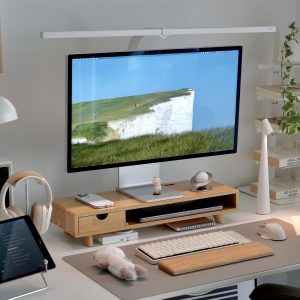
Slowvana’s ergonomic desk products, like our bamboo monitor stand, help reduce eye strain and neck pain during the day, which contributes to better sleep at night. A well-aligned workspace supports your body’s natural recovery cycle.
How to Choose the Right Natural Sleep Aid for You
Not all sleep aids work for everyone. Here’s a quick decision guide:
| Your Primary Issue | Best Natural Sleep Aid | Dosage |
|---|---|---|
| Muscle tension from desk work | Magnesium glycinate | 200–400 mg |
| Racing thoughts at bedtime | L-Theanine or Ashwagandha | 200 mg / 300 mg |
| Difficulty staying asleep | Tart cherry juice or Valerian root | 8 oz / 300–600 mg |
| Mild sleep difficulties | Chamomile or Lavender | 1 cup tea / 3–5 drops |
| Daytime fatigue from poor sleep | Glycine | 3 g |
Safety Considerations and When to See a Doctor
Natural sleep aids are generally safe for most people, but there are important caveats:
- Always consult your doctor before starting any new supplement, especially if you’re pregnant, nursing, or taking medication.
- Start with the lowest recommended dose to assess your tolerance.
- Avoid combining multiple sedative supplements without professional guidance.
- If you’ve tried natural sleep aids consistently for 4–6 weeks without improvement, consult a sleep specialist. Chronic insomnia may require medical evaluation.
Final Thoughts: Sleep Is the Ultimate Recovery Tool
For desk workers, sleep isn’t a luxury — it’s a biological necessity. Your body repairs muscles, consolidates memories, and regulates hormones while you sleep. Without quality sleep, your productivity, mood, and long-term health suffer.
Slowvana’s mission is to help you recover better, starting with your workspace and extending to your sleep habits. Whether you choose magnesium glycinate, tart cherry juice, or simply optimize your bedroom environment, the key is consistency. Start with one change tonight, and build from there.
Remember: recovery is the new productivity. Your best work starts with your best sleep.
Frequently Asked Questions
🪑 Fix Your Desk Setup in 5 Minutes
Download the free Ergonomic Setup Checklist — 15 steps to reduce pain and work comfortably.
Get Free Checklist →