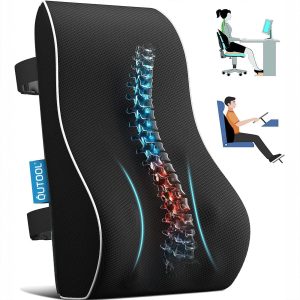
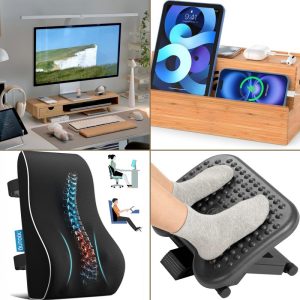
Stress and Digestion Matter Most because prolonged sitting compresses joints, restricts blood flow, and disrupts natural recovery cycles. The right ergonomic setup and movement breaks directly counteract these effects.
Stress and digestion are deeply connected. When you’re stressed, your gut suffers—bloating, indigestion, irregularity, and even chronic inflammation become the norm. For desk workers, this connection is often overlooked, but it’s one of the most impactful health practices you can address. The gut-brain axis means your mental state directly influences how your digestive system functions. By managing stress, you can dramatically improve your digestion, energy, and overall recovery. Slowvana’s Recovery Lifestyle approach targets this exact link, helping you build habits that support both mind and gut.
The Gut-Brain Axis: How Stress Affects Digestion
The gut-brain axis is a bidirectional communication network between your central nervous system and your enteric nervous system (the “second brain” in your gut). When you experience stress—whether from a tight deadline, a difficult conversation, or chronic screen time—your body releases cortisol and adrenaline. These hormones redirect blood flow away from the digestive system to your muscles and heart, preparing you for “fight or flight.”
This means digestion slows down or stops entirely. Over time, chronic stress leads to:
- Reduced enzyme production — making it harder to break down food
- Altered gut motility — causing constipation or diarrhea
- Increased intestinal permeability — often called “leaky gut”
- Imbalanced gut microbiome — fewer beneficial bacteria, more harmful ones
A 2020 study published in Nature Reviews Gastroenterology & Hepatology found that psychological stress alters the composition of the gut microbiota within hours. For desk workers who sit for 8+ hours a day under constant low-grade stress, this is a recipe for digestive distress.
Why Desk Workers Are at Higher Risk
Desk work combines three digestion-destroying factors: prolonged sitting, high cognitive load, and irregular eating patterns. When you’re focused on a screen, you often ignore hunger cues, eat at your desk, and consume processed snacks. This disrupts the natural digestive rhythm.
Additionally, poor posture—forward head, rounded shoulders—compresses the abdominal cavity and restricts diaphragm movement. This makes it harder for your stomach and intestines to function properly. Slowvana’s ergonomic desk products, like the Bamboo Monitor Stand, help elevate your screen to eye level, encouraging better posture that supports relaxed breathing and digestion.
Research from the Journal of Clinical Gastroenterology shows that poor posture during meals reduces gastric emptying by up to 30%. Simply standing or sitting upright while eating can improve digestion significantly.
Signs Your Stress Is Hurting Your Digestion
You might not realize that your digestive issues are stress-related. Here are common signs desk workers experience:
- Bloating after meals — especially during workdays vs. weekends
- Heartburn or acid reflux — worsened by slouching at your desk
- Irregular bowel movements — constipation on stressful days, diarrhea during anxiety
- Food cravings — especially for sugar or carbs, which temporarily calm stress but disrupt gut health
- Fatigue after eating — your body is struggling to digest while in a stressed state
If these sound familiar, your stress and digestion connection needs attention. The good news: small changes can reverse these patterns.
How to Improve Digestion at Work (Without Changing Your Entire Life)
1. Practice Mindful Eating at Your Desk
Most desk workers eat lunch while scrolling emails or watching videos. This activates the sympathetic nervous system (stress response), not the parasympathetic “rest and digest” system. To fix this:
- Take 5 minutes to step away from your screen before eating
- Chew each bite 20-30 times — this signals your stomach to produce acid and enzymes
- Breathe deeply for 3 breaths before your first bite to activate the vagus nerve
A 2019 study in Appetite found that mindful eating reduced bloating and improved nutrient absorption in participants with IBS by 40%.
2. Optimize Your Desk Setup for Digestion
Your posture while eating matters. Slouching compresses your stomach and intestines, slowing digestion. Use a Bamboo Monitor Stand to raise your screen, and consider a Gel Wrist Rest to keep your wrists neutral. But more importantly, ensure your chair supports an upright posture when you eat. If you eat at your desk, sit at the edge of your chair with your feet flat on the floor—this opens your hip angle and reduces abdominal pressure.
Slowvana’s ergonomic approach isn’t just about preventing pain—it’s about creating a workspace that supports your body’s natural recovery processes, including digestion.
3. Take Digestion-Friendly Breaks
After a meal, your body needs blood flow to the digestive tract. Sitting or lying down immediately after eating can cause reflux and slow gastric emptying. Instead:
- Walk for 5-10 minutes after lunch — even a slow pace helps
- Stand while working for 30 minutes post-meal
- Avoid intense exercise for 1 hour after eating
A study in Diabetes Care showed that 10 minutes of walking after a meal reduced blood sugar spikes by 22%, which also supports better digestion.
4. Manage Stress in Real Time
Since stress and digestion are linked, managing stress during the workday is essential. Try these micro-practices:
- Box breathing — inhale 4 seconds, hold 4, exhale 4, hold 4. Do this before meals.
- Progressive muscle relaxation — tense and release each muscle group while sitting
- Single-tasking — focus on one task at a time to reduce cognitive load
Slowvana’s content library includes guides on stress management that integrate with your daily workflow. These aren’t abstract wellness tips—they’re practical habits for desk workers.
The Role of Hydration and Fiber
Desk workers often forget to drink water. Dehydration slows digestion and worsens constipation. Keep a water bottle at your desk and set a timer to drink every hour. Pair this with fiber-rich snacks like almonds, apples, or oat bars—but introduce fiber gradually to avoid bloating.
Slowvana’s desk organizer can hold your water bottle and snacks, keeping them visible and within reach. A clean, organized desk reduces visual stress and reminds you to hydrate—a small change with big digestive benefits.
When to Seek Professional Help
While lifestyle changes help, some digestive issues require medical attention. If you experience persistent pain, blood in stool, unexplained weight loss, or severe bloating, consult a gastroenterologist. The stress and digestion connection is powerful, but it’s not a substitute for medical care.
Conclusion: Make Stress and Digestion a Priority
Stress and digestion are not separate issues—they’re two sides of the same coin. For desk workers, ignoring this connection leads to chronic discomfort, low energy, and reduced productivity. By adopting mindful eating habits, optimizing your workspace, and managing stress in real time, you can transform your digestive health.
Slowvana believes that recovery is the new productivity. Your gut is the center of your health, and supporting it through stress management and ergonomic design is one of the most underrated health practices you can adopt. Start small: take one break today to breathe before lunch. Your digestion will thank you.
🪑 Fix Your Desk Setup in 5 Minutes
Download the free Ergonomic Setup Checklist — 15 steps to reduce pain and work comfortably.
Get Free Checklist →