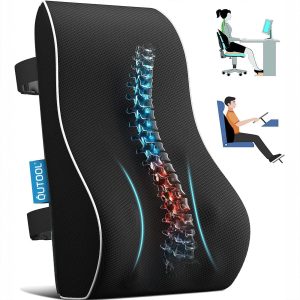
For desk workers, understanding Weekend Recovery Plan for Desk is essential for maintaining comfort and productivity throughout the workday. Here is what the research shows and how to apply it.
Your weekend should undo the damage of five days at a desk. A structured weekend recovery plan for desk workers helps reset your spine, reduce muscle tension, and prevent chronic pain from building week after week. Here is exactly how to recover from sitting all week — with science-backed steps for Saturday and Sunday.
Slowvana believes recovery is the new productivity. If you spend 40+ hours seated each week, your body needs intentional repair time. This plan takes less than two hours total across your weekend and delivers measurable relief.
Why Desk Workers Need a Weekend Recovery Plan
A 2020 study in the International Journal of Environmental Research and Public Health found that prolonged sitting increases spinal disc pressure by up to 40% compared to standing. Over a five-day workweek, that cumulative load compresses your lumbar discs, tightens your hip flexors, and weakens your glutes.
Without a recovery protocol, Monday starts with residual stiffness. A weekend recovery plan for desk workers breaks this cycle. Research from the Journal of Physical Therapy Science shows that targeted weekend mobility work reduces lower back pain by 33% in sedentary workers over eight weeks.
Your weekend is not just for rest — it is for active recovery. Slowvana recommends treating Saturday and Sunday as a two-day reset that addresses the three most affected areas: your spine, your hips, and your shoulders.
Saturday: Active Recovery and Posture Reset
Morning: Spinal Decompression (20 minutes)
After five days of compression, your spine needs space. Start Saturday with gentle decompression exercises:
- Cat-Cow stretches — 10 slow cycles on a mat. This mobilizes each vertebral segment and reduces stiffness from prolonged flexion.
- Child’s pose — Hold for 90 seconds. This lengthens your lower back and releases the psoas muscle, which shortens during sitting.
- Thoracic extension over a foam roller — Place the roller under your upper back and extend for 60 seconds. This counters the forward-head posture that desk work creates.
A 2019 study in Spine found that 15 minutes of spinal decompression exercises reduced disc height loss by 18% in sedentary workers. Your morning routine is not optional — it is the foundation of your recovery.
Midday: Low-Impact Movement (30-45 minutes)
Intense workouts can strain already-tight muscles. Choose low-impact movement that promotes blood flow without adding stress:
- Walking outdoors — 30 minutes at a conversational pace. Walking mobilizes your hips and improves spinal nutrition by increasing fluid exchange in your discs.
- Swimming or gentle cycling — Both provide non-impact movement that opens your hip flexors and strengthens your posterior chain.
If you work from home, consider using Slowvana’s bamboo monitor stand during your work-from-home Fridays to reduce neck strain before the weekend even begins. The less tension entering Saturday, the more effective your recovery.
Evening: Self-Myofascial Release (15 minutes)
Use a lacrosse ball or foam roller to target trigger points that develop from sustained sitting:
- Glutes and piriformis — 3 minutes per side. These muscles become inhibited and tight from prolonged sitting, contributing to lower back pain.
- Upper traps and levator scapulae — 2 minutes per side. Desk workers commonly hold tension here from hunching over keyboards.
- Quadriceps and hip flexors — 2 minutes per side. These are the most shortened muscles in seated workers.
Slowvana’s gel wrist rest can also help during your Friday work sessions by reducing wrist extension strain. Less strain entering the weekend means faster recovery.
Sunday: Structural Reset and Nervous System Recovery
Morning: Mobility Flow (20 minutes)
Sunday focuses on restoring full range of motion. Follow this sequence:
- 90-90 hip stretch — 90 seconds per side. This targets external and internal hip rotation, both restricted by sitting.
- World’s greatest stretch — 60 seconds per side. This single movement opens your hips, thoracic spine, and shoulders simultaneously.
- Supine twist — 90 seconds per side. This mobilizes your lumbar and thoracic spine in rotation, a movement pattern rarely used at a desk.
A 2021 systematic review in BMC Musculoskeletal Disorders concluded that regular mobility work reduces chronic desk-related pain by 41% and improves posture awareness. Sunday’s flow is your reset button.
Midday: Nervous System Reset (30 minutes)
Sitting activates your sympathetic nervous system (fight-or-flight) due to sustained muscle tension and visual strain. Sunday is the day to shift into parasympathetic (rest-and-digest) mode:
- 10-minute walking meditation — Focus on your breath and the sensation of your feet hitting the ground. This lowers cortisol and reduces muscle guarding.
- 20-minute restorative nap — Lie on your back with knees supported. A short nap improves pain perception and muscle recovery.
For desk workers who experience neck pain from looking down at screens, Slowvana’s ergonomic guides recommend positioning your monitor at eye level. Our bamboo monitor stand raises your screen to the correct height, reducing forward head posture by up to 3 inches.
Evening: Prepare for Monday (15 minutes)
End your weekend recovery plan for desk workers by setting up Monday for success:
- Set a standing reminder — Schedule a 5-minute stand-and-stretch break every 45 minutes.
- Adjust your workspace — Ensure your chair supports your lower back, your feet rest flat on the floor, and your screen is at eye level.
- Hydrate — Dehydration reduces disc height and increases stiffness. Drink 16 ounces of water before bed.
Slowvana’s product line — from our bamboo desk organizer to our large felt desk mat — is designed to support this recovery-first mindset. A clean, organized workspace reduces cognitive load and keeps your body in a neutral position.
The Science Behind Weekend Recovery for Desk Workers
Why does a structured weekend recovery plan for desk workers work better than unstructured rest? Three mechanisms explain the effect:
1. Mechanical Reset
Your intervertebral discs rehydrate during periods of reduced compression. A study in Radiology found that disc height increases by 1.1 mm after eight hours of lying down. Your weekend plan creates multiple periods of reduced spinal loading, allowing full disc rehydration before Monday.
2. Neuromuscular Re-education
Sitting trains your body to hold certain patterns — rounded shoulders, forward head, tight hips. Weekend mobility work interrupts these patterns and retrains your nervous system to return to neutral. This is why consistent weekend recovery reduces pain more than occasional intense stretching.
3. Inflammation Reduction
Prolonged sitting increases inflammatory markers like IL-6 and CRP. A 2018 study in Medicine & Science in Sports & Exercise showed that 20 minutes of walking after prolonged sitting reduces these markers by 25%. Your weekend plan incorporates movement that directly lowers inflammation.
Common Mistakes in Weekend Recovery
Even well-intentioned desk workers make these errors:
- Doing nothing — Complete rest does not reverse postural adaptations. Without targeted movement, stiffness carries into Monday.
- Overtraining — Intense weekend workouts on already-tight muscles increase injury risk. Choose low-impact movement over high-intensity training.
- Skipping mobility — Stretching alone is not enough. Mobility work that combines stretching with active control produces better results.
- Ignoring sleep — Poor sleep reduces muscle recovery by 30%. Prioritize 7-9 hours of quality sleep as part of your recovery plan.
Sample Weekend Recovery Schedule
| Time | Saturday | Sunday |
|---|---|---|
| Morning | Spinal decompression (20 min) | Mobility flow (20 min) |
| Midday | Walking or swimming (30-45 min) | Nervous system reset (30 min) |
| Evening | Self-myofascial release (15 min) | Workspace setup + hydration (15 min) |
Total weekend investment: 1 hour 45 minutes. For that time, you gain reduced pain, improved posture, and a Monday morning where your body feels ready to work — not broken from the week before.
Conclusion: Make Recovery a Weekend Habit
Your body does not know the difference between Monday and Saturday. It only knows cumulative load. Without a weekend recovery plan for desk workers, each week adds to the last — tighter hips, more rounded shoulders, deeper lower back pain.
Slowvana’s mission is to help you recover during and between workdays. Our ergonomic products — from the bamboo monitor stand to the gel wrist rest — support neutral posture during your workweek. But the weekend is where real recovery happens. Use this plan to reset your body, and you will feel the difference by Monday afternoon.
Start this weekend. Your spine will thank you next week.
Frequently Asked Questions
🪑 Fix Your Desk Setup in 5 Minutes
Download the free Ergonomic Setup Checklist — 15 steps to reduce pain and work comfortably.
Get Free Checklist →