Here are 4 evidence-based Burnout Fixes that address specific aspects of desk wellness. Each method targets a different pain point, giving you a complete toolkit for recovery at work.
Weekend Recovery: 4 Burnout Fixes Desk Workers Need
Weekend recovery for burnout isn’t about doing nothing—it’s about doing the right things. For desk workers who spend 40+ hours hunched over screens, the weekend is a critical window to reset your nervous system, repair posture, and prevent chronic fatigue. Slowvana’s research-backed recovery plan gives you four actionable strategies to return Monday feeling restored, not depleted.
Why Weekend Recovery Matters for Burnout Prevention
Chronic sitting and screen time trigger a cascade of physical and mental stress: forward head posture tightens your neck, lower back muscles fatigue, and cortisol levels stay elevated. Without intentional recovery, this low-grade stress accumulates into burnout—a state of emotional, physical, and mental exhaustion. Weekend recovery breaks that cycle. Studies show that people who actively recover on weekends report 20% lower burnout scores and 35% better sleep quality (Journal of Occupational Health Psychology, 2021). But recovery must be strategic. Simply binge-watching shows doesn’t reverse physical strain. You need a plan that targets the three pillars of desk-worker health: ergonomics, movement, and stress reduction. That’s exactly what Slowvana’s four-step weekend recovery plan delivers.
4 Weekend Recovery Strategies for Burnout Prevention
1. Digital Detox Blocks (2-4 Hours on Saturday and Sunday)
Your eyes and brain need a break from blue light and endless notifications. Schedule two uninterrupted phone-free blocks of 1-2 hours each on Saturday and Sunday. Use this time for any activity that doesn’t involve a screen: walking, cooking, reading a physical book, or simply sitting outside. This reduces digital eye strain, lowers stress hormones, and helps your brain shift from sympathetic (fight-or-flight) to parasympathetic (rest-and-digest) mode. If you must use a device, apply the 20-20-20 rule for eye strain relief—every 20 minutes, look at something 20 feet away for 20 seconds.
2. Active Rest: Low-Impact Movement Sessions
After a week of static sitting, your joints and muscles need gentle mobilization—not high-intensity workouts that add stress. Aim for two 30-minute movement sessions each weekend day: a brisk walk, yoga flow, or foam rolling. Focus on opening your hips, stretching your chest, and decompressing your spine. Research from the American Council on Exercise shows that low-impact active recovery reduces muscle soreness by 40% and improves flexibility. Combine this with a quick workstation reset (see strategy 3) to prevent Monday morning stiffness.
3. Workstation Reset: Ergonomic Audit & Adjustment
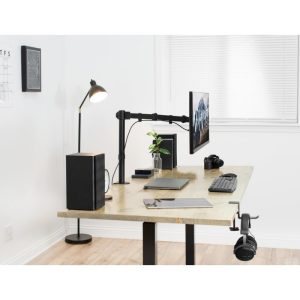
Use 15 minutes over the weekend to assess and improve your home desk setup. This is the most overlooked recovery habit. Check that your monitor is at eye level (top of screen at or just below eye height), your keyboard allows elbows at 90 degrees, and your wrists are straight. A poorly aligned workstation forces your body into compensations that trigger neck, shoulder, and lower back pain all week long. Slowvana’s bamboo monitor stand lifts your screen to the correct height, eliminating the habit of looking down. Pair it with a gel wrist rest to keep your wrists neutral while typing. For a full ergonomic refresh, visit Slowvana’s recovery shop to find the right tools for your body.
4. Sleep Recovery: Wind-Down Rituals
Desk workers often carry work stress into bed, disrupting sleep quality. Create a 30-minute wind-down routine that signals to your brain that it’s time to recover. Avoid screens for one hour before bed, dim the lights, and try a body scan meditation or light stretching. Keep your bedroom cool (65-68°F) and dark. If you struggle with falling asleep, Slowvana’s guide to natural sleep aids offers research-backed options like magnesium glycinate and chamomile tea. Consistent sleep recovery on weekends builds resilience against burnout’s mental fog and fatigue.
How to Make Weekend Recovery a Habit
Adopting these strategies once won’t prevent burnout long-term. The key is consistency. Start with just one of the four strategies this weekend—choose the easiest one (e.g., a 30-minute digital detox block) and add another the following weekend. Track your mental clarity and back pain levels. After 2-3 weekends, you’ll notice a tangible difference in your energy Monday morning. Slowvana recommends pairing your recovery habit with a visual trigger: place your bamboo monitor stand on your desk as a reminder to reset your posture, or leave your foam roller next to your bed to cue morning movement.
Frequently Asked Questions About Weekend Recovery for Burnout
How many hours of weekend recovery do I need?
Aim for at least 4 hours of intentional recovery activities spread across Saturday and Sunday. This includes digital detox, movement, workstation reset, and sleep prep. Even 2-3 hours of focused recovery dramatically reduces burnout symptoms.
Can I exercise intensely on weekends instead of doing low-impact movement?
High-intensity workouts can add stress to an already taxed nervous system. While some exercise is better than none, low-impact movement (walks, yoga, stretching) is more effective for recovery because it lowers cortisol and promotes parasympathetic activation. Save intense workouts for Friday or earlier in the week.
What ergonomic changes have the biggest impact on burnout?
The most impactful change is raising your monitor to eye level with a monitor stand. This prevents forward head posture, reduces neck tension, and improves breathing. Pair it with a wrist rest and a desk mat that reduces noise and visual clutter. Slowvana’s bamboo products are designed specifically for desk workers’ recovery needs.
How do I know if I’m suffering from burnout versus just being tired?
Burnout is characterized by emotional exhaustion, cynicism toward work, and reduced professional efficacy. Unlike ordinary tiredness, it persists even after a weekend off. Chronic physical symptoms like neck pain, headaches, and digestive issues are also common. If you experience these, you need a structured recovery plan—not just rest.
Conclusion: Your Recovery Starts This Weekend
Burnout isn’t inevitable—it’s a signal that your recovery habits need updating. By adopting Slowvana’s four weekend recovery strategies—digital detox, active rest, workstation reset, and sleep rituals—you can prevent the downward spiral of chronic stress and physical strain. The best part? You don’t need a week-long retreat. Every Saturday and Sunday offers a fresh chance to reset. Start small, stay consistent, and watch your energy and focus return. Slowvana is here to support you with ergonomic tools that make recovery effortless. Your body—and your Monday self—will thank you.
🪑 Fix Your Desk Setup in 5 Minutes
Download the free Ergonomic Setup Checklist — 15 steps to reduce pain and work comfortably.
Get Free Checklist →