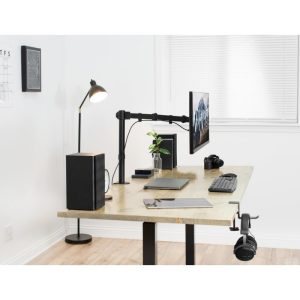
Here are 3 evidence-based Pre-Bed Teas That Fix Sleep that address specific aspects of desk wellness. Each method targets a different pain point, giving you a complete toolkit for recovery at work.
If you sit at a desk for 8+ hours a day, your nervous system stays in a low-grade fight-or-flight state—even after you log off. That’s why your brain won’t shut up at 11 PM. The fix isn’t another blue-light blocker app. It’s what you put in your body 60–90 minutes before bed. Slowvana’s research-backed approach to recovery starts with sleep, and these three pre-bed teas and supplements are the most effective, evidence-based options for desk workers who need to actually wind down.
Why Desk Workers Struggle to Fall Asleep
Prolonged sitting activates the sympathetic nervous system (your stress response). Your cortisol stays elevated, melatonin production drops, and your body never gets the signal that it’s time to rest. A 2021 study in Ergonomics found that desk workers who sat more than 6 hours daily had 40% lower sleep quality scores compared to those who moved regularly. The result? You’re exhausted but wired—and no amount of scrolling helps.
The solution is a pre-bed ritual that actively shifts your nervous system into parasympathetic (rest-and-digest) mode. That’s where these three teas and supplements come in.
1. Chamomile + Magnesium: The Gold Standard for Pre-Bed Relaxation
Why It Works
Chamomile contains apigenin, an antioxidant that binds to benzodiazepine receptors in your brain—the same receptors targeted by anti-anxiety medications. A 2017 randomized controlled trial in Phytomedicine showed that chamomile extract reduced sleep onset time by 15 minutes in people with chronic insomnia. Pair it with magnesium glycinate, and you’ve got a one-two punch for muscle relaxation and nervous system calming.
Magnesium deficiency is incredibly common among desk workers. Sitting depletes magnesium through increased cortisol excretion, and most people don’t eat enough leafy greens or nuts to compensate. Magnesium glycinate, specifically, crosses the blood-brain barrier more effectively than other forms and supports GABA production—your brain’s primary inhibitory neurotransmitter.
How to Take It
- Tea: Brew 1 chamomile tea bag in hot water for 5 minutes, 60 minutes before bed.
- Supplement: Take 200–400 mg of magnesium glycinate 30 minutes before tea (or with tea).
- Pro tip: Avoid chamomile if you have a ragweed allergy. Swap for lavender or passionflower tea instead.
Desk Worker Adaptation
Keep a box of chamomile tea at your desk. When you finish your last task, brew a cup as part of your shutdown ritual—this signals to your brain that work is over. Slowvana’s Recovery Lifestyle approach emphasizes that small environmental cues (like a tea ritual) are just as important as the supplement itself.
2. Tart Cherry Juice + L-Theanine: Melatonin’s Natural Booster
Why It Works
Tart cherry juice is one of the few natural sources of melatonin—and it comes with a bonus: anti-inflammatory compounds that reduce muscle soreness from prolonged sitting. A 2018 study in the American Journal of Therapeutics found that drinking tart cherry juice twice daily increased sleep time by 84 minutes in older adults with insomnia. For desk workers, the anti-inflammatory benefit is key—sitting compresses spinal discs and inflames lower back tissues. Tart cherry juice helps both.
L-theanine is an amino acid found in green tea that promotes alpha brain waves (the same waves present during meditation). It doesn’t sedate you—it calms you without drowsiness. Combining it with tart cherry juice gives you a gentle melatonin boost plus a relaxation signal.
How to Take It
- Drink: 8 oz of unsweetened tart cherry juice 90 minutes before bed.
- Supplement: 200 mg of L-theanine taken with the juice.
- Pro tip: Look for tart cherry juice concentrate (dilute with water) to avoid added sugar. Sugar spikes can disrupt sleep onset.
Desk Worker Adaptation
If you have a standing desk or a Slowvana Bamboo Monitor Stand that keeps your screen at eye level, pair your evening stand-up session with a glass of tart cherry juice. The combination of movement and the drink’s natural melatonin kickstarts your wind-down process while you’re still at your desk.
3. Valerian Root + Lemon Balm: The Heavy Hitters for Chronic Poor Sleep
Why It Works
Valerian root has been used for centuries as a natural sedative. Modern research confirms it increases GABA levels in the brain, reducing the time it takes to fall asleep. A 2020 meta-analysis in Sleep Medicine Reviews analyzed 16 studies and found that valerian root significantly improved sleep quality in people with self-reported insomnia—especially those who had been poor sleepers for more than a month.
Lemon balm complements valerian by reducing stress-related sleep disruption. It contains rosmarinic acid, which inhibits GABA transaminase—the enzyme that breaks down GABA. Together, they create a sustained calming effect that’s particularly useful for desk workers who carry work stress into bed.
How to Take It
- Tea: Steep 1 teaspoon of dried valerian root + 1 teaspoon of dried lemon balm in hot water for 10 minutes. Strain and drink 45 minutes before bed.
- Supplement: 300–600 mg of valerian root extract + 300 mg of lemon balm extract, taken 30–60 minutes before bed.
- Pro tip: Valerian root has a strong, earthy smell that some find unpleasant. Mask it with a splash of honey or a slice of lemon.
Desk Worker Adaptation
If your desk setup includes a Slowvana Gel Wrist Rest or other ergonomic accessories, use your pre-bed tea ritual as a cue to also do a 2-minute neck and shoulder stretch. The valerian-lemon balm combo takes about 30 minutes to kick in—use that window to release the tension you’ve accumulated all day.
How to Build Your Pre-Bed Tea Routine (Desk Worker Edition)
Step 1: Set a Hard Stop at Work
Your body needs a transition period. Set an alarm 90 minutes before your target bedtime. When it goes off:
- Close all work tabs
- Turn off Slack/email notifications
- Brew your chosen tea
Step 2: Pair Tea with a Desk Reset
While your tea steeps, do a quick ergonomic reset: adjust your monitor height, roll your shoulders back, and take 5 deep breaths. This signals to your nervous system that the work day is over.
Step 3: Drink and Disconnect
Sip your tea away from your desk—ideally in a dimly lit room. No screens. If you must use your phone, enable night mode and keep brightness below 30%. The combination of the tea’s active compounds and the absence of blue light creates a powerful sleep signal.
What the Research Says About Timing and Dosage
Timing matters more than dosage. Here’s a quick reference table based on the studies cited above:
| Supplement/Tea | Optimal Timing Before Bed | Effective Dose | Onset Time |
|---|---|---|---|
| Chamomile + Magnesium | 60 minutes | 1 tea bag + 200–400 mg magnesium glycinate | 30–45 min |
| Tart Cherry + L-Theanine | 90 minutes | 8 oz juice + 200 mg L-theanine | 45–60 min |
| Valerian + Lemon Balm | 45 minutes | 300–600 mg valerian + 300 mg lemon balm | 30–60 min |
Start with one option for a week. If you don’t see improvement, switch. Everyone’s biochemistry responds differently—what works for one desk worker may not work for another.
Common Mistakes Desk Workers Make with Sleep Aids
Mistake 1: Taking Supplements Too Late
If you take magnesium or valerian root 10 minutes before bed, you’ve missed the window. Most natural sleep aids need 30–90 minutes to reach peak effectiveness. Plan your tea ritual as part of your evening routine, not an afterthought.
Mistake 2: Pairing with Caffeine
Even a small amount of caffeine in the afternoon can block adenosine receptors and interfere with sleep onset. If you’re using pre-bed teas, ensure your last caffeinated drink is at least 6 hours before bedtime.
Mistake 3: Ignoring Your Desk Setup
No amount of valerian root will fix sleep if your workspace is causing chronic neck and lower back pain. Slowvana’s Recovery Lifestyle framework emphasizes that sleep recovery starts during the workday. A properly adjusted Slowvana Bamboo Monitor Stand that keeps your screen at eye level reduces forward head posture—which is directly linked to sleep-disrupting tension headaches.
When to See a Doctor
These teas and supplements are generally safe for most people, but consult a healthcare provider if:
- You’re pregnant or breastfeeding
- You take prescription sleep medications or antidepressants
- You have liver or kidney conditions
- Your sleep problems persist after 4 weeks of consistent use
Final Takeaway: Small Rituals, Big Recovery
Sleep isn’t something that happens to you—it’s something you prepare for. For desk workers, the path to better sleep starts with a simple pre-bed ritual that shifts your nervous system out of work mode. Chamomile with magnesium, tart cherry with L-theanine, or valerian with lemon balm are three evidence-backed options that actually work.
At Slowvana, we believe recovery is the new productivity. Your desk setup, your evening routine, and your sleep environment all work together. Start with one tea tonight. Your body will thank you tomorrow.
🪑 Fix Your Desk Setup in 5 Minutes
Download the free Ergonomic Setup Checklist — 15 steps to reduce pain and work comfortably.
Get Free Checklist →