Here are 5 evidence-based Recovery Rituals for People Who Sit All Day (Evidence-Based) that address specific aspects of desk wellness. Each method targets a different pain point, giving you a complete toolkit for recovery at work.
Your Body Isn’t Built for a Chair
You know that feeling. It’s 3:00 PM and your lower back is staging a protest. Your shoulders have migrated toward your ears. Your hips feel like they’ve been in a vise. You’re not alone—the average desk worker spends 9 to 10 hours sitting every day, according to the American Heart Association.
But here’s the good news: your body is also incredibly resilient. With the right recovery rituals for people who sit all day, you can undo the damage of hours spent hunched over a keyboard. We’re not talking about a complete lifestyle overhaul. We’re talking about small, strategic habits—backed by science—that you can weave into your existing workday.
Think of these rituals as your daily reset button. They’re the difference between ending your workday feeling depleted and ending it feeling restored.
Why Sitting All Day Requires a Recovery Strategy
Let’s get one thing clear: sitting isn’t inherently evil. Your body is designed to move, rest, and move again. The problem is static sitting—holding the same position for hours on end.
When you sit for prolonged periods, several things happen:
- Your hip flexors shorten and tighten (hello, lower back pain)
- Your gluteal muscles switch off (researchers call this “gluteal amnesia”)
- Your shoulders round forward, straining the upper back and neck
- Your circulation slows, leading to fatigue and brain fog
A 2018 study in the Annals of Internal Medicine found that prolonged sitting is linked to a higher risk of cardiovascular disease, diabetes, and even early death—even if you exercise regularly. That’s why recovery rituals aren’t optional; they’re essential.
Ritual #1: The 5-Minute Posture Reset (Every 45 Minutes)
Your body craves variety. The most effective recovery ritual is also the simplest: change your position frequently.
How to do it
Set a timer for 45 minutes. When it goes off, stand up and perform this quick sequence:
- Standing Cat-Cow (30 seconds): Place hands on thighs, round your back like a cat, then arch it like a cow. This mobilizes your spine and wakes up your core.
- Chest Opener (30 seconds): Clasp hands behind your back, straighten arms, and gently lift. You’ll feel a stretch across your chest and front shoulders.
- Side Bend (30 seconds each side): Reach one arm overhead and lean to the opposite side. Opens the intercostal muscles and side body.
- Neck Rolls (30 seconds): Slowly roll your head in circles, one direction then the other. Releases tension from the upper traps.
Total time: 5 minutes. Do this every 45 minutes, and you’ll interrupt the cycle of muscle fatigue and joint stiffness.
Why it works
Research from the Journal of Physical Therapy Science shows that taking short, frequent movement breaks reduces perceived discomfort and improves spinal mobility more than taking one long break. Consistency beats intensity when it comes to recovery.
Ritual #2: The Afternoon Glute Awakening
Your glutes are the largest muscles in your body, but they’re notorious for “turning off” when you sit. This leads to lower back pain, hip tightness, and poor posture. The solution? A targeted glute activation ritual you can do without leaving your desk.
How to do it
Twice a day (mid-morning and mid-afternoon), perform these two exercises:
- Glute Squeezes (10 reps, 5-second holds): While seated, squeeze your glutes together as hard as you can. Hold for 5 seconds, release. This re-engages the muscle without standing up.
- Standing Hip Hinges (10 reps): Stand up, place hands on your hips, and push your hips back as if closing a car door with your glutes. Keep your back straight. This strengthens the posterior chain.
Pair this ritual with a lumbar support cushion like Slowvana’s ergonomic back support. It maintains the natural curve of your spine, making it easier for your glutes to stay active even while seated.
Why it works
A study in the Journal of Orthopaedic & Sports Physical Therapy found that glute activation exercises significantly reduce lower back pain in desk workers. The key is frequency—doing small doses of activation throughout the day, not just at the gym.
Ritual #3: The Wrist and Hand Reset
Your hands and wrists work harder than any other body part during a desk job. Typing, clicking, scrolling—it’s repetitive strain central. Without recovery rituals, you risk developing carpal tunnel syndrome or tendonitis.
How to do it
Every hour, take 60 seconds for this hand recovery sequence:
- Wrist Flexor Stretch (15 seconds each side): Extend one arm forward, palm up. Use your other hand to gently pull fingers back toward you.
- Wrist Extensor Stretch (15 seconds each side): Same position, but palm down. Pull fingers toward you.
- Finger Spreads (10 reps): Spread fingers as wide as possible, hold for 3 seconds, then relax. Increases circulation to the hands.
- Fist Pumps (10 reps): Make a fist, then open your hand wide. Repeat slowly.
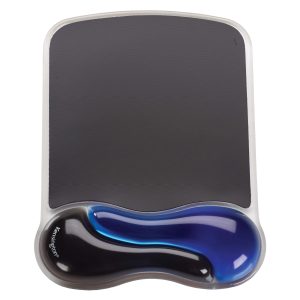
For extra support, use a gel wrist rest like Slowvana’s memory foam wrist support. It keeps your wrists in a neutral position, reducing pressure on the median nerve.
Why it works
The American Academy of Orthopaedic Surgeons recommends frequent micro-breaks for hand and wrist health. Stretching improves blood flow, reduces inflammation, and prevents adhesions from forming in the tendons.
Ritual #4: The End-of-Day Body Scan
You’ve closed your laptop. But has your body clocked out? Most people carry the tension of the workday into their evening, which disrupts sleep and recovery.
How to do it
Spend 5 minutes before you leave your workspace (or transition to personal time) doing a seated body scan:
- Close your eyes and take three deep breaths, exhaling longer than you inhale.
- Scan from head to toe: Notice tension in your jaw, neck, shoulders, hands, lower back, hips, and feet.
- Breathe into each area: As you notice tension, imagine your breath softening that spot.
- Shake it off: Gently shake your hands, arms, legs, and feet for 15 seconds. This signals to your nervous system that the workday is over.
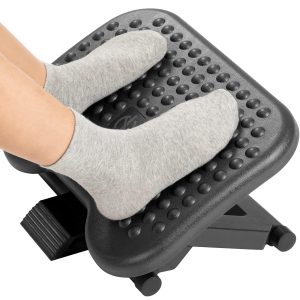
This ritual works beautifully with a foot rest under your desk. Slowvana’s adjustable foot rest promotes better circulation and helps maintain a neutral pelvis, which reduces lower back strain. When you end your day, simply slide it away as a physical cue that work is done.
Why it works
Research from Harvard Health Publishing shows that body scan meditation reduces cortisol levels and improves sleep quality. By consciously releasing physical tension, you prevent the accumulation of stress in your muscles and joints.
Ritual #5: The Weekly Deep Recovery Session
Daily rituals maintain your body. Weekly rituals restore it. Set aside 20 minutes once a week for a deeper recovery practice.
How to do it
- Foam rolling (10 minutes): Focus on your upper back, glutes, and hip flexors. These areas take the most abuse from sitting.
- Child’s Pose (3 minutes): Kneel on the floor, sit back on your heels, and stretch your arms forward. This lengthens the spine and releases the lower back.
- Figure-Four Stretch (2 minutes each side): Lie on your back, cross one ankle over the opposite knee, and gently pull the leg toward you. Opens the hips.
- Legs-Up-the-Wall (5 minutes): Lie on your back with your legs resting against a wall. This inverts the effects of gravity and improves circulation.
Why it works
A 2020 review in the International Journal of Environmental Research and Public Health found that foam rolling and passive stretching reduce muscle soreness and improve range of motion. Weekly deep sessions complement daily micro-breaks for a complete recovery strategy.
Building Your Recovery Routine (A Simple Template)
You don’t need to do everything at once. Start with one ritual and build from there. Here’s a sample day:
| Time | Ritual | Duration |
|---|---|---|
| 9:00 AM | Posture Reset | 5 min |
| 9:45 AM | Posture Reset | 5 min |
| 10:30 AM | Glute Awakening + Wrist Reset | 3 min |
| 11:15 AM | Posture Reset | 5 min |
| 12:00 PM | Lunch walk (bonus!) | 15 min |
| 1:00 PM | Posture Reset | 5 min |
| 1:45 PM | Posture Reset | 5 min |
| 2:30 PM | Glute Awakening + Wrist Reset | 3 min |
| 3:15 PM | Posture Reset | 5 min |
| 4:00 PM | Posture Reset | 5 min |
| 5:00 PM | End-of-Day Body Scan | 5 min |
| Weekly | Deep Recovery Session | 20 min |
Total daily investment: ~45 minutes spread across the day. That’s less than 5% of your waking hours—and the payoff is enormous.
Your Recovery Toolkit (What You Actually Need)
You don’t need a home gym to recover from desk work. But a few targeted tools make a big difference:
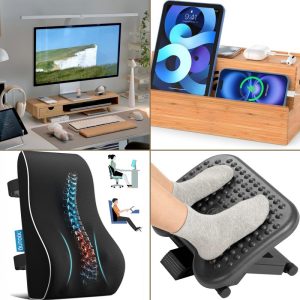
- Lumbar support: Maintains spinal curve and reduces low back strain. Slowvana’s ergonomic back support is designed for all-day comfort.
- Wrist rest: Keeps wrists neutral during typing. Slowvana’s memory foam wrist support reduces pressure on the median nerve.
- Foot rest: Promotes better circulation and pelvic alignment. Slowvana’s adjustable foot rest helps you maintain a 90-degree angle at the knees and hips.
- Monitor stand: Raises your screen to eye level, preventing forward head posture. Slowvana’s monitor stand keeps your neck in a neutral position.
These tools don’t replace movement—they support it. Think of them as the foundation that makes your recovery rituals even more effective.
The Takeaway: Small Rituals, Big Recovery
Recovery isn’t something you do after the workday. It’s something you weave into the workday. The most powerful recovery rituals for people who sit all day are the ones you actually do—consistently, without overthinking.
Start with one ritual this week. Maybe it’s the 5-minute posture reset. Maybe it’s the afternoon glute awakening. Whatever you choose, commit to it for seven days. Notice how your body feels. Notice the difference between ending the day stiff versus ending it restored.
Your desk job doesn’t have to leave you broken. With the right rituals—and the right support—you can reclaim your body, one small movement at a time.
“Movement is a medicine for creating change in a person’s physical, emotional, and mental states.” — Carol Welch
Ready to build your recovery routine? Explore Slowvana’s ergonomic tools designed for the way you actually work. Your body will thank you.
🪑 Fix Your Desk Setup in 5 Minutes
Download the free Ergonomic Setup Checklist — 15 steps to reduce pain and work comfortably.
Get Free Checklist →