For desk workers, understanding Best Bedtime Habits for People Who Stare at Screens All Day is essential for maintaining comfort and productivity throughout the workday. Here is what the research shows and how to apply it.
Your Brain on Screens: Why Bedtime Feels Like a Battle
You know the feeling. It’s 11pm, your eyes are gritty, your neck is stiff from another day hunched over your laptop, and yet your brain is buzzing like a fluorescent light. You scroll through social media, check emails one last time, and suddenly it’s midnight. You lie down, but your mind refuses to power down. Sound familiar?
If you’re a desk worker, you’re not alone. A 2023 survey by the Sleep Foundation found that 68% of remote workers report poor sleep quality, with screen time being the number one culprit. The blue light from monitors, tablets, and phones disrupts your body’s natural production of melatonin, the hormone that signals it’s time to rest. Add in the mental load of constant notifications, endless Zoom calls, and the pressure to be productive, and it’s no wonder your bedtime routine needs a serious upgrade.
But here’s the good news: small, intentional changes can transform your evenings from a digital battlefield into a sanctuary of recovery. In this guide, we’ll walk you through research-backed bedtime habits specifically designed for people who stare at screens all day. You’ll learn how to wind down effectively, reduce eye strain, and wake up feeling refreshed. Let’s dive in.
1. The 90-Minute Digital Sunset
You’ve heard the advice to avoid screens before bed, but let’s be realistic: for most desk workers, that feels impossible. You might have deadlines, late meetings, or simply the desire to unwind with Netflix. That’s why we recommend the 90-minute digital sunset—a gradual, manageable approach to reducing screen exposure.
What is a digital sunset?
A digital sunset is a structured wind-down period where you progressively dim your devices, shift to warmer light, and eventually put them away. The goal isn’t to go cold turkey; it’s to signal your brain that the workday is over.
How to implement it:
- T-90 minutes: Enable Night Shift or blue light filters on all devices. Lower screen brightness to 50%.
- T-60 minutes: Switch from work emails to passive entertainment (e.g., a podcast, audiobook, or calming music). Avoid anything that requires active decision-making.
- T-30 minutes: Put your phone in another room or on airplane mode. This is the hardest step, but it’s the most impactful. A 2021 study in Nature and Science of Sleep found that participants who avoided screens for 30 minutes before bed fell asleep 12 minutes faster and reported higher sleep quality.
Why it works for screen workers:
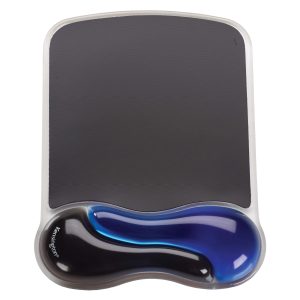
Your eyes have been focusing at a fixed distance (about 20–30 inches) all day. The digital sunset gives your ciliary muscles—the tiny muscles that control lens shape—a chance to relax. Pair this with a few minutes of palming (covering your eyes with your warm hands) to soothe digital eye strain. For extra comfort, consider using a wrist rest during your final work hour to reduce tension that can radiate up to your shoulders and neck, interfering with relaxation.
“The brain doesn’t distinguish between work emails and a thrilling TV show. Both stimulate the prefrontal cortex, keeping you alert. A digital sunset creates a clear boundary between ‘on’ and ‘off.'” — Dr. Rachel Kim, sleep neuroscientist
2. Create a Physical Recovery Ritual
Your body holds the tension of your workday, even after you’ve closed your laptop. That forward head posture, the rounded shoulders, the tight hips from sitting—they all contribute to poor sleep. A physical recovery ritual helps release that stored tension and prepares your body for deep rest.
Try this 10-minute desk worker wind-down:
- Neck release: Sit cross-legged or on a chair. Gently drop your right ear toward your right shoulder. Hold for 5 breaths. Switch sides. This counteracts the “text neck” position.
- Cat-cow stretch: On your hands and knees, alternate between arching your back (cow) and rounding it (cat). Move slowly with your breath for 1 minute. This mobilizes your spine after hours of sitting.
- Hip opener: Lie on your back, bring your right ankle over your left knee, and gently pull your left leg toward you. Hold for 30 seconds per side. Desk workers often have tight hip flexors, which can disrupt sleep by causing lower back discomfort.
- Legs up the wall: Lie on your back and extend your legs up a wall. Stay for 3–5 minutes. This gentle inversion improves circulation, reduces swelling in your feet (common after sitting all day), and activates your parasympathetic nervous system.
The ergonomic connection:
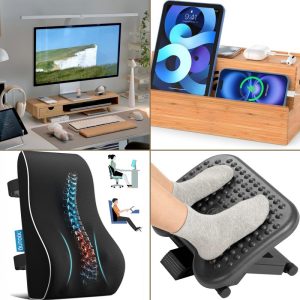
Your daytime setup directly impacts your nighttime recovery. Using a lumbar support cushion during the day maintains the natural curve of your spine, reducing the likelihood of lower back pain that keeps you tossing and turning. Pair it with a foot rest to promote better circulation and reduce hip tension. Think of it as investing in your sleep before you even get into bed.
3. Optimize Your Bedroom for Deep Sleep
Your environment is a powerful cue for your brain. If your bedroom looks like a mini office, your brain will struggle to switch into rest mode. Here’s how to create a sanctuary that actively promotes sleep, especially after a screen-heavy day.
Temperature and lighting:
- Keep it cool: The ideal sleep temperature is 65–68°F (18–20°C). Your body temperature naturally drops as you fall asleep, and a cool room supports this process.
- Block blue light completely: Use blackout curtains or an eye mask. Even small amounts of blue light from alarm clocks or streetlights can suppress melatonin by up to 50%, according to a Harvard study.
- Red light for reading: If you read before bed, use a red light lamp. Red light has the least impact on circadian rhythms. Avoid overhead lights, which mimic daylight.
Sound management:
Desk workers often have hyperactive auditory processing from constant notifications and background noise. Use a white noise machine or a fan to create consistent, soothing sound. Alternatively, try a binaural beats track designed for deep sleep (delta waves, 0.5–4 Hz).
Declutter digital distractions:
Keep your phone in another room. If you use it as an alarm, invest in a simple alarm clock. A 2022 study from the University of California found that participants who kept phones out of the bedroom experienced 20% more deep sleep.
4. Mindful Eating and Hydration Timing
What you consume in the hours before bed can make or break your sleep quality, especially after a day of staring at screens. Digital fatigue often leads to mindless snacking and poor hydration habits.
What to avoid:
- Caffeine after 2pm: Caffeine has a half-life of about 5 hours. That afternoon coffee can still be disrupting your sleep at 10pm. Switch to herbal tea or water.
- Alcohol within 3 hours of bedtime: While alcohol may help you fall asleep faster, it fragments your sleep cycles, reducing REM sleep. This leaves you feeling groggy even after 8 hours in bed.
- Heavy, spicy, or sugary meals: These can cause acid reflux and blood sugar spikes, both of which interfere with deep sleep.
What to include:
- Magnesium-rich foods: Magnesium promotes relaxation and muscle recovery. Try a small handful of almonds, a banana, or a cup of chamomile tea before bed.
- Tart cherry juice: A 2018 study found that tart cherry juice increased sleep time by 84 minutes in older adults with insomnia. It’s a natural source of melatonin.
- Hydrate earlier: Drink plenty of water throughout the day, but taper off 1–2 hours before bed to minimize nighttime bathroom trips. Dehydration can cause muscle cramps and dry eyes, both of which disrupt sleep.
5. Journaling: The Mental Reset for Overstimulated Minds
Your brain has been processing visual information, decisions, and social interactions all day. Without an outlet, this mental clutter keeps you awake at night. Journaling is a simple, effective way to offload your thoughts and signal to your brain that it’s safe to rest.
Two journaling methods for screen workers:
- Brain dump: Set a timer for 5 minutes. Write down everything on your mind—work tasks, worries, ideas, to-dos. Don’t censor yourself. This clears your working memory so you’re not mentally reviewing your day.
- Gratitude and wins: Write down three things you’re grateful for and one small win from your day. This shifts your focus from what went wrong (a common trap for desk workers) to what went right, reducing cortisol levels.
Combine with breathwork:
After journaling, try 4-7-8 breathing: inhale for 4 seconds, hold for 7 seconds, exhale for 8 seconds. Repeat 4 times. This activates your vagus nerve and lowers your heart rate, preparing you for sleep.
6. Leverage Your Workspace for Better Sleep
Your sleep hygiene doesn’t start at bedtime—it starts at your desk. The ergonomic choices you make during the day directly impact your physical comfort at night. Here’s how to connect the dots.
Reduce eye strain during the day:
Use a monitor stand to position your screen at eye level. This prevents you from leaning forward, which strains your neck and eyes. Follow the 20-20-20 rule: every 20 minutes, look at something 20 feet away for 20 seconds. This reduces accommodative stress that can persist into the evening.
Support your wrists and arms:
A wrist rest keeps your wrists in a neutral position, preventing carpal tunnel strain that can cause nighttime hand numbness or tingling. Pair it with proper arm support to reduce shoulder tension.
Move regularly:
Set a timer to stand up every 30 minutes. Even a 2-minute walk around your room improves circulation and reduces the stiffness that makes it hard to get comfortable in bed.
Your 7-Day Bedtime Habit Challenge
Ready to put it all together? Here’s a simple framework to start tonight:
| Day | Focus Habit | Time Required |
|---|---|---|
| 1–2 | Digital sunset (30 min screen-free before bed) | 30 min |
| 3–4 | Add physical recovery ritual (10 min) | 10 min |
| 5–6 | Optimize bedroom environment (temp, light, sound) | 15 min |
| 7 | Combine all habits + journaling | 45 min |
Start small. Pick one habit from this guide and practice it for a week. Then add another. The goal is progress, not perfection.
Final Thoughts: Sleep Is the Ultimate Recovery Tool
As a desk worker, your body and brain are under constant strain from screens, sitting, and mental overload. But you don’t have to accept poor sleep as the price of your career. By implementing these bedtime habits, you can reclaim your evenings, improve your recovery, and wake up ready to tackle the day with clarity and energy.
Remember: every small change compounds. Tonight, start with a digital sunset. Tomorrow, add a few stretches. Your future self—the one who sleeps deeply and wakes up refreshed—will thank you.
🪑 Fix Your Desk Setup in 5 Minutes
Download the free Ergonomic Setup Checklist — 15 steps to reduce pain and work comfortably.
Get Free Checklist →