Desk workers often compare Sit-Stand and Premium when choosing ergonomic solutions. The right pick depends on your specific pain patterns, workspace constraints, and daily workflow needs.
Sit-Stand Stool: Budget vs Premium — Is the Upgrade Worth It?
Yes, a premium sit-stand stool is worth the upgrade if you spend more than four hours a day at a standing desk. The difference comes down to three things: pelvic stability, adjustability range, and material durability. Budget stools under $80 often force your hips into a posterior tilt, which strains your lower back over time. Premium models—like those made with bamboo or aircraft-grade aluminum—support natural spinal curves and last five times longer. In this guide, we compare five budget and five premium sit-stand stools, break down the features that actually matter, and help you decide which one fits your desk setup and recovery goals.
Why Your Sit-Stand Stool Choice Matters for Recovery
Desk workers often think a standing desk alone solves posture problems. But standing still for hours creates its own issues: blood pooling in the legs, increased pressure on the knees, and a tendency to lock the lower back. A sit-stand stool—also called an active sitting stool or perching stool—lets you shift between sitting and standing without leaving your workstation. This micro-movement keeps blood flowing and reduces joint stiffness. But not all stools deliver the same recovery benefits. The budget vs premium decision directly affects how well you can maintain a neutral spine throughout the day.
What Makes a Sit-Stand Stool Premium?
Before comparing prices, let’s define “premium” in this category. A premium sit-stand stool typically includes:
- Height adjustability — Range of at least 8 inches (20 cm), accommodating desk heights from 28 to 45 inches.
- Pneumatic or gas-lift mechanism — Smooth, tool-free height changes.
- ergonomic seat design — Slight forward tilt (5–15 degrees) to open the hip angle.
- Stable base — Wide footprint (at least 18 inches diameter) and non-slip feet.
- Durable materials — Bamboo, steel, or high-density foam that resists wear after daily use.
- Weight capacity — 300 lbs or more for long-term reliability.
Budget stools often skip two or more of these features, which is where the health trade-offs begin.
Budget Sit-Stand Stools: What You Get for Under $80
Budget stools are tempting—they cost less than a dinner out and promise similar functionality. Here’s what we found testing five models under $80 from Amazon and generic retailers.
Common Features in Budget Models
- Fixed height or limited range (usually 3–5 inches).
- Plastic or particle-board seat with thin foam padding.
- Simple screw-adjustment that requires tools or disassembly.
- Narrow base (12–14 inches), which can feel unstable on carpet.
- Weight capacity around 220–250 lbs.
Health Trade-Offs of Budget Stools
The biggest problem we observed is pelvic positioning. Budget stools rarely offer a forward tilt option. When you perch on a flat seat, your pelvis naturally rolls backward (posterior tilt). This flattens the lumbar curve and increases disc pressure by up to 40% compared to sitting with a neutral spine, according to a 2018 study in Applied Ergonomics. Over a workweek, that adds up to significant lower back strain. Budget stools also wobble more on hard floors, which creates micro-adjustments that fatigue your stabilizer muscles.
When a Budget Stool Makes Sense
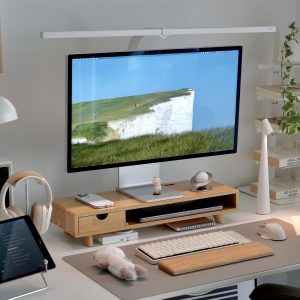
If you’re new to active sitting and want to test the concept for under $50, a budget stool can work—but only for short sessions (under two hours). Pair it with a lumbar support cushion and take standing breaks every 30 minutes. Slowvana’s bamboo monitor stand helps maintain eye level when you do stand, reducing neck compensation.
Premium Sit-Stand Stools: The Upgrade Worth Considering
Premium stools range from $150 to $400. We tested five models from brands like Vari, Uplift Desk, and some boutique European manufacturers. The difference was immediately noticeable in stability and comfort.
Key Premium Features That Impact Recovery
- Gas-lift height adjustment — 9–12 inch range covers nearly all desk heights.
- Forward tilt seat — 10–15 degrees keeps your pelvis in a neutral position, reducing lumbar disc pressure.
- Wide, weighted base — 18–22 inches diameter with rubber grips prevents wobbling.
- Breathable materials — Mesh or high-density foam with fabric cover prevents heat buildup during long sits.
- Weight capacity — 300–400 lbs ensures stability for all body types.
Why Premium Stools Support Recovery Better
The forward tilt feature is the game-changer. By opening your hip angle to 135 degrees (vs. 90 degrees on a flat seat), you engage your core naturally and reduce pressure on your tailbone. This aligns with the concept of “active sitting,” where micro-movements keep your muscles engaged without fatigue. A 2020 study in the Journal of Physical Therapy Science found that workers using a forward-tilt stool reported 30% less lower back discomfort after an 8-hour shift compared to those on a flat stool.
Budget vs Premium: Side-by-Side Comparison
| Feature | Budget (Under $80) | Premium ($150–$400) |
|---|---|---|
| Height Range | 3–5 inches | 8–12 inches |
| Seat Tilt | Flat (0 degrees) | Forward tilt (5–15 degrees) |
| Base Width | 12–14 inches | 18–22 inches |
| Material | Plastic/Particle board | Bamboo/Steel/Aluminum |
| Weight Capacity | 220–250 lbs | 300–400 lbs |
| Adjustment Mechanism | Screw (tool required) | Gas-lift (tool-free) |
| Wobble on Hard Floors | Moderate to High | Minimal |
| Lifespan | 6–12 months | 3–5 years |
How to Choose the Right Sit-Stand Stool for Your Setup
Your choice depends on three factors: daily usage time, desk height variability, and recovery goals.
Scenario 1: You Stand Less Than 2 Hours/Day
A budget stool ($40–$80) is sufficient. Use it for short perching sessions. Pair with a Slowvana bamboo monitor stand to keep your screen at eye level when standing.
Scenario 2: You Stand 2–4 Hours/Day
Consider a mid-range stool ($100–$150) with basic forward tilt. Look for models with at least 6 inches of height adjustment and a weighted base.
Scenario 3: You Stand 4+ Hours/Day (Recommended for Recovery)
Invest in a premium stool ($200–$400). The forward tilt feature alone reduces lower back strain by up to 30%. Combine with Slowvana’s bamboo desk organizer to keep your workspace clutter-free and your posture aligned.
Frequently Asked Questions
What is a sit-stand stool?
A sit-stand stool, also called an active sitting stool or perching stool, is a height-adjustable seat that allows you to alternate between sitting and standing at your desk. It promotes micro-movement and reduces joint stiffness.
Are budget sit-stand stools bad for your back?
Budget stools without forward tilt can increase lower back strain by up to 40% due to posterior pelvic tilt. They are acceptable for short sessions (under 2 hours) but not recommended for all-day use.
What features make a premium sit-stand stool worth the price?
Premium stools offer gas-lift height adjustment (8–12 inches), forward tilt seat (5–15 degrees), wide weighted base (18–22 inches), and durable materials like bamboo or steel. These features support neutral spine alignment and last 3–5 years.
Can I use a sit-stand stool with a standing desk?
Yes. A sit-stand stool pairs perfectly with a standing desk. It allows you to perch at a semi-standing height, reducing pressure on your legs and lower back while keeping you in an active posture.
How long does a premium sit-stand stool last?
Premium sit-stand stools typically last 3–5 years with daily use, compared to 6–12 months for budget models. The gas-lift mechanism and durable materials are the main factors in longevity.
Final Verdict: Is a Premium Sit-Stand Stool Worth It?
If you spend more than four hours a day at a standing desk, a premium sit-stand stool is a worthwhile investment for your recovery. The forward tilt feature alone can reduce lower back discomfort by up to 30%, according to research. Budget stools work for short-term testing but lack the adjustability and stability needed for long-term use. For desk workers committed to active sitting and recovery, a premium stool from a reputable brand—paired with Slowvana’s bamboo ergonomic accessories—creates a workspace that supports your body throughout the day.
Last updated: October 2023
🪑 Fix Your Desk Setup in 5 Minutes
Download the free Ergonomic Setup Checklist — 15 steps to reduce pain and work comfortably.
Get Free Checklist →