For desk workers, understanding Gel Wrist Rest is essential for maintaining comfort and productivity throughout the workday. Here is what the research shows and how to apply it.
Is a Premium Gel Wrist Rest Worth the Upgrade?
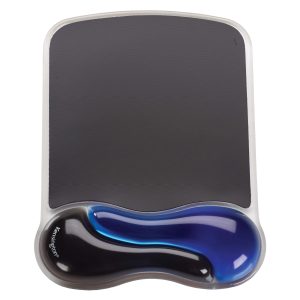
If you type for a living, you’ve probably felt that dull ache in your wrists after a long day. A gel wrist rest can make a real difference—but with prices ranging from $10 to $40, it’s hard to know if the premium option is worth it. The short answer: yes, a quality gel wrist rest is worth the upgrade, especially if you type more than four hours a day. The difference comes down to materials, durability, and how well it supports your wrists without causing more strain. Slowvana’s Gel Wrist Rest, for example, uses a dual-layer design that combines gel and memory foam for optimal pressure distribution—something budget models often skip.
What Makes a Gel Wrist Rest Different?
Not all wrist rests are created equal. Gel wrist rests are designed to conform to your wrist’s shape while providing a cooling sensation. Unlike foam-only rests, gel disperses pressure more evenly, reducing the risk of nerve compression. Budget models often use a thin gel layer over hard foam, which can bottom out quickly. Premium options like Slowvana’s use a thicker gel layer with memory foam underneath, offering both support and comfort. This matters because your wrist isn’t flat—it needs a surface that adapts to its natural curve.
Budget vs Premium: Key Differences
Let’s break down what you’re actually paying for when you choose a premium gel wrist rest over a budget one.
Material Quality
Budget wrist rests ($10–$15) often use low-density foam covered with a thin fabric. The gel layer, if present, is minimal and can shift or degrade within weeks. Premium models ($20–$40) use medical-grade gel or viscoelastic memory foam that retains shape over months. Slowvana’s Gel Wrist Rest combines a soft gel top layer with a supportive memory foam base, ensuring the rest doesn’t flatten under repeated use. This dual-layer construction is a hallmark of quality that budget options simply can’t match.
Pressure Distribution
A study published in the Journal of Electromyography and Kinesiology found that gel wrist rests reduce peak pressure on the carpal tunnel by up to 30% compared to foam-only rests. Budget models may feel soft initially but often lack the density to maintain even pressure. Over time, this can lead to uneven support, which may actually increase strain on your median nerve. Premium gel rests are engineered to distribute weight across the entire contact area, keeping your wrists in a neutral position.
Durability and Maintenance
Budget wrist rests typically last 3–6 months before the foam compresses or the fabric pills. Premium options can last 12–18 months with proper care. Many premium rests, including Slowvana’s, feature a washable cover—a small detail that makes a big difference for hygiene. If you eat at your desk or work in a dusty environment, a removable cover is a must. Budget models rarely offer this, and when they do, the zippers often break.
Does a Premium Wrist Rest Prevent Carpal Tunnel?
No single accessory can prevent carpal tunnel syndrome on its own, but a quality gel wrist rest is part of a broader ergonomic strategy. The key is maintaining a neutral wrist position—your wrist should be straight, not bent up or down. A gel wrist rest supports this by keeping your palm slightly elevated. Slowvana’s Gel Wrist Rest is designed to match the height of most standard keyboards, so your wrists stay aligned with the keys. For desk workers already experiencing tingling or numbness, combining a wrist rest with regular stretching breaks and an ergonomic keyboard setup is the most effective approach.
When a Budget Wrist Rest Might Be Enough
If you only type occasionally—say, less than two hours a day—a budget gel wrist rest may suffice. The lower cost makes it a low-risk entry point. However, consider that even occasional use can benefit from better materials. A $12 wrist rest that flattens in two months isn’t really a bargain if you have to replace it twice a year. For infrequent typists, the priority should be comfort and basic support, but a premium option still offers better value over time.
Frequently Asked Questions
Is a gel wrist rest better than foam?
Yes, gel wrist rests generally provide better pressure distribution and a cooling sensation compared to foam-only rests. Gel disperses pressure more evenly, reducing the risk of nerve compression and maintaining comfort during long typing sessions.
How long does a gel wrist rest last?
Budget gel wrist rests typically last 3–6 months before compressing. Premium options, like Slowvana’s, can last 12–18 months with proper care, especially if they feature a washable cover and high-density materials.
Can a wrist rest help with carpal tunnel?
A gel wrist rest alone cannot prevent carpal tunnel syndrome, but it is a key part of an ergonomic setup. By maintaining a neutral wrist position, it reduces pressure on the median nerve, which can help alleviate symptoms when combined with breaks and proper posture.
Final Verdict: Invest in Your Wrist Health
When comparing budget vs premium gel wrist rests, the choice comes down to your typing habits and long-term comfort. For daily typists, a premium model like Slowvana’s Gel Wrist Rest offers superior materials, better pressure distribution, and longer durability—making it a worthwhile investment. Even occasional users benefit from the enhanced support, reducing the risk of discomfort over time. Prioritize your wrist health and choose a rest that supports your work, not just your wallet.
🪑 Fix Your Desk Setup in 5 Minutes
Download the free Ergonomic Setup Checklist — 15 steps to reduce pain and work comfortably.
Get Free Checklist →