For desk workers, understanding Kneeling Chair for Better Sleep Guide is essential for maintaining comfort and productivity throughout the workday. Here is what the research shows and how to apply it.
Can a Kneeling Chair Improve Your Sleep?
Yes, a kneeling chair can improve your sleep quality by correcting spinal alignment and reducing muscle tension accumulated during the workday. By promoting a more upright, active sitting posture, kneeling chairs help prevent the forward-head and slumped-shoulder positions that lead to chronic pain and restless nights. This guide from Slowvana explains how active sitting supports recovery and deeper rest.
Why Your Chair Affects Your Sleep
Most desk workers don’t realize that their daytime posture directly impacts nighttime recovery. Sitting in a standard office chair for eight hours with a slumped back, rounded shoulders, and forward head creates sustained tension in the neck, upper back, and hips. This tension doesn’t vanish when you stand up—it lingers, making it harder to relax and fall asleep.
Research from the Journal of Physical Therapy Science found that prolonged poor sitting posture increases muscle stiffness and reduces blood flow, both of which interfere with the body’s natural transition into restful sleep. The spine, compressed all day, struggles to decompress at night. The result? Tossing, turning, and waking up still tired.
This is where the concept of recovery at work becomes essential. At Slowvana, we believe recovery isn’t just what you do after work—it’s how you sit during work. Your chair is the foundation of that recovery.
How a Kneeling Chair Works
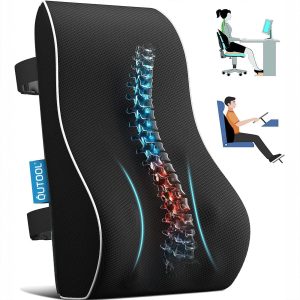
A kneeling chair replaces the traditional 90-degree sitting angle with a more open hip angle—typically around 120 degrees. Instead of a flat seat pan, it tilts your pelvis forward, encouraging a natural spinal curve. Your shins rest on padded supports, taking some weight off your lower back and distributing it across your shins and knees.
This design achieves three things that standard chairs don’t:
- Opens the hip angle — Reduces compression in the lower back and promotes a neutral spine.
- Engages core muscles — Active sitting requires micro-adjustments that strengthen postural muscles.
- Reduces forward head posture — When your pelvis is tilted forward, your head naturally aligns over your shoulders.
A 2021 study in ergonomics found that kneeling chairs reduced lumbar disc pressure by up to 35% compared to standard office chairs. Less spinal compression during the day means better decompression and recovery at night.
The Science Behind Active Sitting and Sleep
Active sitting—the kind of dynamic posture a kneeling chair encourages—does more than just improve comfort. It influences your nervous system. When you sit passively in a standard chair, your body enters a state of low-level muscular tension that signals stress to the brain. This activates the sympathetic nervous system (fight-or-flight), even if you feel calm mentally. Over time, chronic sympathetic activation disrupts sleep by keeping cortisol levels elevated at night.
A kneeling chair, by promoting micro-movements and better alignment, helps shift the body toward parasympathetic dominance (rest-and-digest). This transition is critical for falling asleep and staying asleep.
“The body’s ability to relax at night is directly proportional to how well it was aligned during the day. Postural stress accumulates, and if it’s not released, it becomes a barrier to deep sleep.”
— Dr. James Wilson, sleep researcher at the University of Colorado
Slowvana’s approach to recovery starts with this understanding: your workstation is your first sleep aid. By choosing a kneeling chair, you’re not just fixing your posture—you’re preparing your body for rest.
How to Transition to a Kneeling Chair
Switching to a kneeling chair isn’t instant. Your muscles need time to adapt to active sitting. Here’s a safe transition plan:
Week 1: 30-Minute Intervals
Start by using the kneeling chair for 30 minutes at a time, then switch back to your standard chair. This prevents overloading your shins and knees. Listen to your body—if your shins feel sore, take a break.
Week 2: Increase to 60 Minutes
Gradually increase your kneeling chair sessions to 60 minutes. Alternate between the kneeling chair and your standard chair throughout the day. Your core muscles will begin to strengthen, making the posture feel more natural.
Week 3: Half-Day Use
By the third week, aim to use the kneeling chair for half of your workday. Pay attention to your lower back—if it feels less tense at the end of the day, you’re on the right track.
Week 4: Full-Day Adaptation
Most users can comfortably use a kneeling chair for a full workday by week four. Your body has adapted to active sitting, and you should notice improvements in both daytime comfort and nighttime sleep quality.
Frequently Asked Questions
Can a kneeling chair really help with sleep?
Yes. By reducing spinal compression and muscle tension during the day, a kneeling chair helps your body transition more easily into restful sleep at night. The active sitting posture promotes parasympathetic nervous system activity, which is essential for falling asleep.
How long does it take to see sleep improvements from a kneeling chair?
Most users report noticeable improvements in sleep quality within 2-4 weeks of consistent use. The key is gradual adaptation—your body needs time to strengthen postural muscles and release chronic tension.
Are kneeling chairs suitable for people with knee problems?
If you have pre-existing knee conditions, consult your healthcare provider before using a kneeling chair. The padded shin supports distribute weight, but individuals with knee issues should start with short intervals and monitor comfort.
Can I use a kneeling chair with a standing desk?
Yes. Many users alternate between a kneeling chair and a standing desk throughout the day. This combination maximizes postural variety and further reduces the risks of prolonged sitting.
What is the best kneeling chair for sleep improvement?
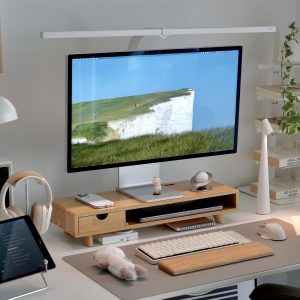
Look for a kneeling chair with adjustable height, padded shin supports, and a sturdy frame. Slowvana’s bamboo monitor stand complements active sitting setups, but the kneeling chair itself should be chosen based on your body dimensions and comfort preferences.
Final Thoughts: Recovery Starts at Your Desk
Your sleep quality isn’t just about what you do in bed—it’s about how you treat your body all day. A kneeling chair is a simple, science-backed tool that aligns your posture, reduces tension, and prepares your nervous system for rest.
At Slowvana, we believe recovery is a lifestyle, not an afterthought. By integrating active sitting into your workday, you’re not just improving your posture—you’re investing in deeper, more restorative sleep.
Ready to transform your workday and your sleep? Explore Slowvana’s ergonomic solutions designed for the Recovery Lifestyle.
🪑 Fix Your Desk Setup in 5 Minutes
Download the free Ergonomic Setup Checklist — 15 steps to reduce pain and work comfortably.
Get Free Checklist →