For desk workers, understanding Sleep Environment Audit for Better… is essential for maintaining comfort and productivity throughout the workday. Here is what the research shows and how to apply it.
A sleep environment audit is the single most effective step you can take to improve your overall wellbeing—especially if you spend your days at a desk. By systematically evaluating your bedroom’s light, noise, temperature, and setup, you can eliminate the hidden factors that sabotage your sleep and, in turn, your recovery. This article walks you through a complete audit, backed by research, so you can wake up feeling restored and ready to work.
What Is a Sleep Environment Audit?
A sleep environment audit is a structured review of your bedroom’s physical conditions that affect sleep quality. It covers five key areas: light exposure, noise levels, temperature and humidity, mattress and bedding, and digital distractions. The goal is to identify and fix the elements that are silently reducing your deep sleep and REM cycles.
According to the National Sleep Foundation, your sleep environment accounts for up to 40% of sleep quality variability. For desk workers who already face prolonged sitting and screen strain, a poor sleep environment compounds fatigue, reduces cognitive function, and increases stress. Slowvana’s recovery lifestyle philosophy starts here: if your sleep is broken, no ergonomic desk setup can fully compensate.
Why Desk Workers Need a Sleep Audit Most
Desk workers face unique sleep challenges. Long hours in front of screens disrupt circadian rhythms through blue light exposure. Sedentary work reduces physical fatigue, making it harder to fall asleep naturally. And the mental load of back-to-back meetings keeps the brain in a hyper-aroused state. A sleep environment audit directly addresses these issues.
A study published in the Journal of Clinical Sleep Medicine found that office workers who optimized their sleep environment reported a 28% improvement in next-day productivity and a 35% reduction in perceived stress. The connection between sleep and work performance is undeniable. Slowvana’s approach integrates sleep audits into a broader recovery lifestyle, helping desk workers break the cycle of poor sleep and low energy.
The 5-Step Sleep Environment Audit
1. Light: The Circadian Disruptor
Light is the most powerful cue for your internal clock. Even small amounts of light during sleep can suppress melatonin production. Start your audit by checking for light leaks: cover electronic LEDs, use blackout curtains, and remove any devices that glow. Aim for complete darkness—less than 5 lux at eye level.
For desk workers, this is especially critical. Your eyes are already fatigued from screen use. A dark, calm bedroom signals your nervous system to shift from sympathetic (fight-or-flight) to parasympathetic (rest-and-digest) mode. This transition is essential for deep sleep and recovery.
2. Noise: The Silent Stressor
Noise doesn’t have to wake you to disrupt sleep. Even low-level sounds like traffic or a humming refrigerator can fragment sleep architecture. Use a decibel meter app to measure your bedroom’s baseline noise. Ideally, it should stay below 30 dB during sleep. White noise machines or earplugs can help mask intermittent sounds.
3. Temperature: Cooler Is Better
The optimal sleep temperature is between 65-68°F (18-20°C). Your core body temperature naturally drops during sleep initiation. A room that’s too warm delays this drop and reduces slow-wave sleep. Check your thermostat and consider a programmable fan or cooling mattress pad if needed.
4. Bedding and Mattress: The Physical Foundation
Your mattress should support spinal alignment, especially if you sit all day. A medium-firm mattress is generally best for desk workers, as it prevents pressure points that cause tossing and turning. Pillows should maintain a neutral neck position—not too high or flat. Replace pillows every 1-2 years and mattresses every 7-10 years.
5. Digital Distractions: The Hidden Saboteur
Smartphones, tablets, and laptops in the bedroom are a major sleep disruptor. The blue light suppresses melatonin, and the content keeps your brain engaged. Move all screens out of the bedroom or at least 6 feet from your bed. Use a dedicated alarm clock instead of your phone. This is non-negotiable for desk workers who already spend 8+ hours on screens.
How a Sleep Audit Improves Overall Wellbeing
When you complete a sleep environment audit and implement changes, the benefits extend far beyond better sleep. Your immune function improves, your stress hormone (cortisol) levels drop, and your cognitive performance sharpens. For desk workers, this means fewer sick days, better focus during meetings, and more energy for exercise and hobbies.
Slowvana’s recovery lifestyle model connects sleep to ergonomics, stress management, and daily habits. A proper sleep audit is the foundation of this model. Without it, even the best ergonomic chair or standing desk can’t fully restore your body after a long day of sitting.
Common Mistakes in Sleep Environment Audits
- Ignoring EMF exposure: While research is mixed, keeping devices away from your bed is a low-effort precaution.
- Overlooking air quality: Dust, allergens, and CO2 buildup can disrupt sleep. Use an air purifier if needed.
- Focusing only on one factor: Light, noise, and temperature work together. Address all three for maximum impact.
- Neglecting your pre-sleep routine: A great environment can’t fix a racing mind. Pair your audit with a wind-down ritual like reading or gentle stretching.
Actionable Sleep Audit Checklist
Use this checklist to perform your own audit tonight:
- ☐ Block all light sources (windows, electronics, LEDs)
- ☐ Measure and reduce noise below 30 dB
- ☐ Set thermostat to 65-68°F
- ☐ Check mattress and pillow condition
- ☐ Remove all screens from the bedroom
- ☐ Use a white noise machine if needed
- ☐ Add blackout curtains for complete darkness
- ☐ Consider a cooling mattress pad
Frequently Asked Questions
How long does a sleep environment audit take?
A basic audit takes about 30 minutes. You can check light leaks, noise levels, and temperature in one evening. Deeper changes like buying blackout curtains or a new mattress may take a few days to implement.
Can a sleep environment audit help with desk worker fatigue?
Yes. Poor sleep environment directly contributes to daytime fatigue, especially for desk workers who already face mental and physical strain. Improving your sleep environment can reduce fatigue by up to 30% within two weeks.
Do I need special equipment for a sleep audit?
No. You can start with just your eyes and ears. A smartphone decibel meter app and a basic thermometer are helpful but not required. The most important tool is your own awareness of how you feel in the morning.
How often should I perform a sleep environment audit?
Once per season is ideal. Light exposure changes with seasons, and your bedding needs may shift. A quick audit every three months keeps your sleep environment optimized year-round.
Can Slowvana products help with sleep environment?
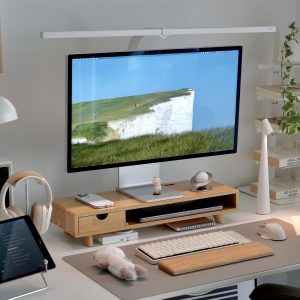
Yes. Slowvana’s bamboo monitor stand and desk organizer help reduce visual clutter on your desk, which can calm your mind before bed. A tidy workspace supports a calm sleep environment by reducing mental load.
Conclusion: Your Sleep Audit Starts Tonight
A sleep environment audit is a low-effort, high-impact intervention for desk workers who want to improve their overall wellbeing. By addressing light, noise, temperature, bedding, and digital distractions, you can transform your sleep quality and, in turn, your daily energy and recovery. Slowvana believes that recovery is the new productivity. Start with your sleep environment, and everything else follows.
For more on optimizing your workspace for better sleep and recovery, check out Slowvana’s blog and product line designed for desk workers. Your sleep environment audit is the first step toward a recovery lifestyle that works for you.
🪑 Fix Your Desk Setup in 5 Minutes
Download the free Ergonomic Setup Checklist — 15 steps to reduce pain and work comfortably.
Get Free Checklist →