For desk workers, understanding Sleep Tracking Without Obsessing is essential for maintaining comfort and productivity throughout the workday. Here is what the research shows and how to apply it.
Sleep tracking works best when you use the data for real recovery insights—not when you obsess over every number. For desk workers recovering from long hours of sitting and screen time, sleep is your body’s primary repair mechanism. But the moment you start checking your sleep score at 3 a.m. with anxiety, the tool becomes the problem. Here’s how to use sleep tracking for what it’s meant for: actionable, stress-free recovery improvements that actually help you feel better during your workday.
Slowvana’s Recovery Lifestyle philosophy centers on using data as a guide, not a judge. Sleep tracking is a powerful ally when approached with the right mindset. This article walks you through exactly how to extract meaningful insights from your sleep data—without letting it control your nights.
Why Sleep Tracking Anxiety Hurts Desk Workers Most
Desk workers already face elevated stress from prolonged sitting, screen exposure, and mental fatigue. Adding sleep tracking anxiety—obsessively monitoring your deep sleep percentage, REM cycles, or heart rate variability—can backfire. Research from the Journal of Clinical Sleep Medicine shows that orthosomnia (an unhealthy fixation on perfect sleep data) affects up to 10% of sleep tracker users. This condition can worsen sleep quality because the anxiety itself disrupts the natural sleep process.
Your body knows how to sleep. It’s been doing it for millions of years. The tracker is just a mirror reflecting patterns, not a report card. The first step in using sleep tracking without obsessing is shifting from a performance mindset to a curiosity mindset. Instead of asking “Did I sleep well?” ask “What does tonight’s data tell me about my recovery?”
What Sleep Data Actually Matters for Recovery
Not all sleep metrics are equal. For desk workers focused on recovery from daily physical and cognitive strain, three metrics offer the most actionable insights:
1. Sleep Duration Consistency
Variability in bedtime and wake time is more harmful than a single bad night. If you go to bed at 10 p.m. on weekdays but 1 a.m. on weekends, your circadian rhythm suffers. A study in Current Biology found that just 30 minutes of bedtime variability can impair cognitive performance the next day. Track your bedtime consistency over a week, not your exact sleep minutes each night.
2. Deep Sleep Percentage
Deep sleep is when your body repairs muscle tissue, balances hormones, and clears metabolic waste from the brain. For desk workers, this is critical—your spine and neck need this recovery after hours of static posture. Aim for 15–25% of total sleep time in deep sleep. If you consistently fall below, consider adjusting your evening routine rather than panicking over a single low reading.
3. Heart Rate Recovery Overnight
Your resting heart rate during sleep reflects your nervous system’s ability to shift from fight-or-flight to rest-and-digest. A drop of 10–20 beats per minute from your daytime resting rate is a positive sign. If your sleep heart rate remains elevated, it may indicate insufficient recovery from stress or poor sleep environment factors like temperature or noise.
How to Use Sleep Tracking Without Obsessing: A Weekly Protocol
Instead of checking your sleep data every morning with anxiety, adopt a weekly review protocol. This reduces the emotional weight of each night’s data while preserving the actionable insights.
Step 1: Set a Weekly Review Day
Pick one day—Sunday morning works well—to review your past week’s sleep trends. Look at averages, not individual nights. A single poor night is normal; a trend of declining deep sleep or increasing bedtime variability is worth addressing.
Step 2: Look for Patterns, Not Perfection
Ask yourself three questions:
- Did I consistently get 7–9 hours of sleep on work nights?
- Did my deep sleep percentage stay above 15% most nights?
- Did my bedtime vary by more than 60 minutes across the week?
If you answer “yes” to the first two, you’re recovering well. If you answer “no” to the third, focus on bedtime consistency next week.
Step 3: Adjust One Variable at a Time
If your data shows low deep sleep, don’t change everything at once. Try one adjustment: reduce screen time 30 minutes before bed, lower your bedroom temperature by 2 degrees, or add a wind-down ritual like stretching. Track the impact over the next week. This is how you use sleep tracking for actionable insights without obsessing—by making small, measurable changes and observing the results.
How Desk Ergonomics Affects Your Sleep Recovery
Your daytime posture directly impacts your sleep quality. When you sit for 8+ hours with poor ergonomics, your body accumulates tension in the neck, shoulders, and lower back. That tension doesn’t disappear when you lie down—it shows up as reduced deep sleep and more nighttime awakenings.
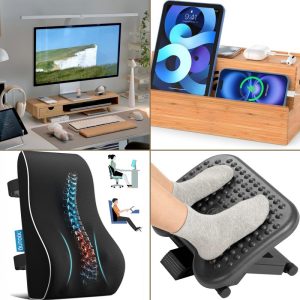
Slowvana’s ergonomic products are designed to reduce this daytime tension, making your sleep recovery more effective. For example, using a bamboo monitor stand to bring your screen to eye level prevents forward head posture, which is a major contributor to neck strain. A gel wrist rest supports neutral wrist alignment during typing, reducing the cumulative micro-stress that can disrupt sleep.
When your workday setup minimizes physical strain, your body enters sleep with less tension to resolve. This means more of your sleep time can be dedicated to deep recovery rather than repairing daytime damage. Slowvana’s approach integrates daytime ergonomics with nighttime recovery because the two are inseparable.
When to Ignore Your Sleep Tracker
There are times when the best thing you can do for your sleep is to stop looking at the data entirely. Here are three scenarios where ignoring your tracker is the healthier choice:
After a Stressful Day
If you’ve had an emotionally demanding day, your sleep data will likely reflect that with higher heart rate and less deep sleep. This is normal. Checking your tracker and feeling disappointed adds an unnecessary layer of stress.
During Illness or Recovery
When you’re sick, your body needs more sleep regardless of what the tracker says. Your metrics will be off—that’s fine. Prioritize rest over data.
On Vacation or Weekend
Your sleep patterns naturally shift when you’re not on a work schedule. Don’t pathologize a later bedtime or slightly less deep sleep. Enjoy the break from routine.
Building a Sleep Routine That Supports Recovery
Instead of relying solely on your tracker, build a sleep routine that naturally promotes recovery. This routine should include elements that help your nervous system downshift from work mode to rest mode.
The 90-Minute Wind-Down
Start winding down 90 minutes before your target bedtime. This includes:
- Dimming lights (reduce blue light exposure)
- Stopping work and checking emails
- Gentle stretching or foam rolling for desk-related tension
- Reading a physical book (not a screen)
- Herbal tea or warm water
Create a Cool, Dark, Quiet Environment
Your bedroom temperature should be 65–68°F (18–20°C) for optimal sleep. Use blackout curtains and consider a white noise machine if you live in a noisy area. These environmental factors matter more than any single sleep metric.
Use Your Sleep Data to Refine, Not Diagnose
Think of your sleep tracker as a weather report—it tells you what’s happening, not what’s wrong. Use it to notice trends: “I’ve been going to bed later this month” or “My deep sleep is lower when I eat late.” These observations are useful. Diagnosing yourself with a sleep disorder based on one week of data is not.
How Slowvana’s Recovery Lifestyle Helps You Sleep Better
Slowvana’s mission is to help desk workers recover from the physical toll of modern work. Sleep is the most powerful recovery tool you have, and we design our products to support it—not just at night, but throughout your entire workday.
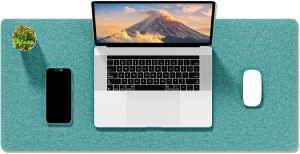
Our bamboo laptop stand elevates your screen to reduce neck strain, which directly reduces the tension you carry into bed. Our large felt desk mat creates a calm, organized workspace that lowers stress levels before you even leave your desk. Each product is chosen for its ability to reduce the physical and mental load of desk work, freeing your body to recover more deeply during sleep.
When you align your daytime setup with your nighttime recovery, you create a virtuous cycle: better posture during work leads to better sleep, which leads to better focus and energy the next day. Slowvana calls this the Recovery Lifestyle, and it starts with using tools—including sleep trackers—as helpers, not masters.
Frequently Asked Questions
Sleep tracking is a tool for recovery, not a source of stress. By focusing on weekly trends, ignoring noisy data, and aligning your daytime ergonomics with nighttime rest, you can use sleep data to feel better without obsessing. Slowvana’s Recovery Lifestyle helps you make that connection—because better recovery starts with a smarter approach to your data.
🪑 Fix Your Desk Setup in 5 Minutes
Download the free Ergonomic Setup Checklist — 15 steps to reduce pain and work comfortably.
Get Free Checklist →