For desk workers, understanding Break Late-Night Screen Habits for… is essential for maintaining comfort and productivity throughout the workday. Here is what the research shows and how to apply it.
Breaking late-night screen habits is one of the most effective steps you can take to improve sleep quality. Blue light from phones, laptops, and monitors suppresses melatonin production, delays sleep onset, and fragments your rest. For desk workers who already spend 8+ hours in front of screens, evening exposure compounds the problem. The fix isn’t quitting technology—it’s building smarter boundaries. Slowvana’s recovery-first approach helps you wind down without sacrificing productivity.
How Screens Disrupt Your Sleep Cycle
Your body’s internal clock, the circadian rhythm, relies on light cues to regulate sleep-wake cycles. Blue light—emitted by digital screens—tricks your brain into thinking it’s still daytime. A 2014 study in the Proceedings of the National Academy of Sciences found that reading on a backlit device before bed suppressed melatonin by 55% compared to reading a printed book. Melatonin is the hormone that signals your body to prepare for sleep. When production drops, falling asleep takes longer, and deep sleep stages shorten.
Beyond blue light, the mental stimulation of scrolling social media, answering work emails, or watching engaging content keeps your brain alert. The combination of light exposure and cognitive activation creates a double barrier to quality rest. A 2022 meta-analysis in Sleep Medicine Reviews confirmed that screen use within 60 minutes of bedtime significantly reduced total sleep time and sleep efficiency, especially in young adults.
Signs Your Late-Night Screen Habits Are Hurting Sleep
Not sure if screens are the culprit? Look for these common signs:
- Difficulty falling asleep after 20+ minutes of lying in bed
- Waking up frequently during the night, especially after late screen use
- Morning grogginess despite getting 7-8 hours in bed
- Dependence on caffeine to feel alert during the day
- Eye strain or headaches after evening work sessions
If three or more of these sound familiar, your screen habits likely need adjustment. The good news: small changes can reverse these effects within a week.
Actionable Steps to Break Late-Night Screen Habits
Here are five research-backed strategies to reduce screen-related sleep disruption. Pick one or two to start—consistency matters more than perfection.
1. Set a Digital Curfew 60–90 Minutes Before Bed
The most effective intervention is a screen-free buffer zone. Stop using phones, laptops, and tablets at least 60 minutes before your target bedtime. Use this time for non-digital wind-down activities: reading a physical book, gentle stretching, or a warm bath. A 2021 study in Journal of Clinical Sleep Medicine found that participants who followed a 90-minute digital curfew fell asleep 12 minutes faster and reported better sleep quality after just two weeks.
2. Use Night Mode and Reduce Screen Brightness
If you must use screens in the evening, enable blue-light filtering modes. Most modern devices offer “Night Shift” or “Blue Light Filter” settings that shift the display to warmer tones. Lower your screen brightness to the minimum comfortable level. However, don’t rely on these as a complete solution—they reduce blue light by only about 30-40%, not enough to fully protect melatonin production.
3. Create a Screen-Free Bedroom Environment
Your bedroom should be a sleep sanctuary. Keep phones in another room or use a traditional alarm clock. If you use your phone as an alarm, place it face-down across the room so you can’t reach it from bed. This also prevents middle-of-the-night checking, which fragments sleep. Consider replacing your phone charger with a simple alarm clock and a dedicated book light.
4. Replace Late-Night Scrolling with a Wind-Down Routine
Breaking habits requires replacement, not just removal. Design a 30-minute nightly routine that signals your body it’s time to rest. Options include:
- 5 minutes of deep breathing or meditation
- 10 minutes of gentle yoga or stretching
- 15 minutes of reading a physical book
- Journaling to offload racing thoughts
Slowvana’s recovery philosophy emphasizes that small, consistent rituals build long-term resilience. By replacing screen time with intentional wind-down activities, you train your brain to associate evening hours with relaxation.
5. Optimize Your Workspace for Day-Night Separation
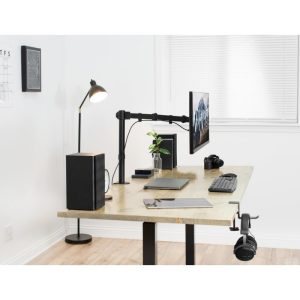
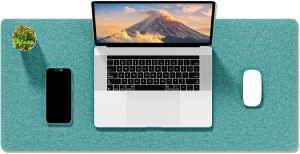
For desk workers, the line between work and personal time blurs easily—especially when your desk is in your bedroom or living area. A clean, organized workspace helps you mentally clock out. Slowvana’s desk organizer collection helps you create a calm, clutter-free environment that encourages you to close your laptop and walk away at the end of the day. When your desk looks inviting and tidy, it’s easier to resist the urge to “just check one more thing.”
The Role of Your Desk Setup in Sleep Recovery
Your workday habits directly influence your nighttime recovery. A poorly designed desk setup can cause physical tension that lingers into the evening, making it harder to relax. When your neck, shoulders, or lower back are tight from poor posture, your body stays in a low-grade stress state—even after you step away from the screen.
Slowvana’s ergonomic products address this connection. For example, our bamboo monitor stand raises your screen to eye level, reducing forward head posture that strains the neck and upper back. When your body is physically comfortable during the day, you’re less likely to carry tension into your wind-down routine. Similarly, a gel wrist rest reduces pressure on your wrists and forearms, preventing the micro-discomfort that can keep you restless at night.
How Long Does It Take to See Results?
Research shows that circadian rhythm adjustments happen relatively quickly. A 2019 study in Current Biology demonstrated that just one week of reducing evening screen exposure improved sleep latency by 25% and increased melatonin levels by 40% in participants. Most people notice better sleep quality within 3–7 days of consistent curfew enforcement.
However, if you’ve been using screens late at night for years, your body may need 2–3 weeks to fully adapt. Be patient and focus on progress, not perfection. Even reducing screen time by 30 minutes before bed will produce measurable improvements.
Common Mistakes to Avoid
- Relying only on blue-light glasses: While they help, they don’t eliminate cognitive stimulation from screen content.
- Scrolling in bed “just for 5 minutes”: This often turns into 30+ minutes and conditions your brain to associate bed with alertness.
- Using screens after waking up in the night: Even a quick check resets your circadian clock and makes it harder to fall back asleep.
- Setting unrealistic goals: Going from 2 hours of evening screen time to zero overnight is hard. Start with 30 minutes less and build from there.
When to Seek Professional Help
If you’ve consistently reduced screen time for 3–4 weeks and still struggle with sleep, consider consulting a sleep specialist. Chronic insomnia may have underlying causes beyond screen habits—such as stress, anxiety, sleep apnea, or circadian rhythm disorders. A sleep study can help identify root issues. Slowvana’s recovery lifestyle framework also addresses stress management; you can explore our blog for tips on integrating relaxation techniques into your daily routine.
Conclusion: Small Changes, Big Sleep Gains
Breaking late-night screen habits doesn’t require a digital detox or expensive gadgets. It requires intentionality—setting boundaries, replacing scrolling with relaxing rituals, and optimizing your environment for recovery. Slowvana believes that recovery is a skill you can build, one small habit at a time. Start tonight: set a curfew, dim your screens, and give your body the rest it deserves. Your morning self will thank you.
Frequently Asked Questions
How long before bed should I stop using screens?
Ideally, stop using screens 60–90 minutes before bed. This allows your melatonin levels to rise naturally. If that’s not possible, at least 30 minutes of screen-free time still provides benefits.
Do blue-light blocking glasses work for better sleep?
Blue-light glasses can reduce some of the melatonin-suppressing effects of screens, but they don’t eliminate the cognitive stimulation from content. They work best when combined with a digital curfew, not as a standalone solution.
Can I use my phone in night mode before bed?
Night mode reduces blue light by about 30-40%, which helps but isn’t fully protective. It’s better than nothing, but still inferior to screen-free time. Use night mode as a backup, not your primary strategy.
What activities can replace late-night scrolling?
Reading a physical book, gentle stretching, journaling, meditation, or listening to an audiobook or podcast are excellent alternatives. The key is to choose something that doesn’t involve a backlit screen.
How does my desk setup affect sleep quality?
A poorly designed desk can cause physical tension (neck, shoulders, back) that lingers into the evening, making it harder to relax. Ergonomic products like monitor stands and wrist rests help reduce daytime strain, supporting better nighttime recovery.
🪑 Fix Your Desk Setup in 5 Minutes
Download the free Ergonomic Setup Checklist — 15 steps to reduce pain and work comfortably.
Get Free Checklist →