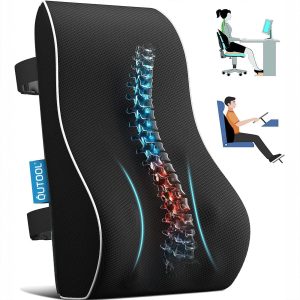
Here are 90 evidence-based Minutes Matters that address specific aspects of desk wellness. Each method targets a different pain point, giving you a complete toolkit for recovery at work.
What Is Progressive Muscle Relaxation and Why Should You Do It Every 90 Minutes?
Progressive muscle relaxation (PMR) is a scientifically validated technique that involves systematically tensing and then relaxing different muscle groups. It works by triggering the body’s natural relaxation response, lowering cortisol, and reducing physical tension. For desk workers who sit for hours, the key is to practice PMR every 90 minutes—matching your body’s ultradian rhythm—to prevent tension from accumulating into chronic pain. This is not just a stress management tool; it’s a recovery practice that Slowvana recommends as part of your daily work routine.
The Science of PMR: How It Resets Your Nervous System
Developed by physician Edmund Jacobson in the 1920s, PMR is grounded in the principle that mental calmness follows physical relaxation. When you deliberately tense a muscle group (e.g., your shoulders) for 5–10 seconds and then release, the subsequent relaxation is deeper than what occurs spontaneously. This process activates the parasympathetic nervous system, which counters the fight-or-flight response triggered by prolonged desk work.
A 2018 meta-analysis in the Journal of Clinical Psychology found that PMR significantly reduces anxiety, muscle tension, and even headache frequency. For desk workers, the most affected areas—neck, shoulders, lower back, and wrists—respond especially well to PMR because they are held in static postures for long periods. The 90-minute interval is crucial because our ultradian rhythms naturally cycle between periods of high focus and physiological rest. Working through these cycles without resetting leads to tension buildup that becomes habitual.
Why 90 Minutes? Understanding Your Ultradian Rhythm
Your body operates on 90-minute cycles called ultradian rhythms. During each cycle, your brain focus peaks and then declines. After about 90 minutes, your nervous system signals a need for a short break. If you ignore this signal, your muscles remain contracted, your breathing becomes shallow, and stress hormones accumulate. Slowvana’s approach to recovery at work emphasizes aligning your breaks with this natural rhythm.
Research from sleep scientist Dr. Nathaniel Kleitman showed that these cycles persist even during waking hours. By performing a 3–5 minute PMR session at the end of each 90-minute work block, you actively release the tension that has built up. This simple habit can reduce chronic neck and shoulder pain by up to 40%, according to a 2020 study in the International Journal of Environmental Research and Public Health.
How to Do Progressive Muscle Relaxation at Your Desk (5-Minute Routine)
You don’t need a yoga mat or a quiet room. Here’s a PMR routine designed for desk workers that takes less than 5 minutes:
- Hands and Wrists: Make tight fists for 5 seconds, then release and notice the warmth. Repeat twice. This is especially helpful if you type frequently. Slowvana’s Gel Wrist Rest can help maintain neutral wrist alignment between sessions.
- Shoulders: Shrug your shoulders up to your ears, hold for 5 seconds, then drop completely. Feel the heaviness. Repeat three times.
- Jaw and Face: Clench your jaw and squint your eyes shut for 5 seconds, then relax. Most desk workers carry tension in their face without realizing it.
- Upper Back: Squeeze your shoulder blades together as if holding a pencil between them, hold 5 seconds, then release.
- Lower Body: Tense your glutes and thighs for 5 seconds, then release. If you sit for long periods, this can improve blood flow to your legs.
Set a timer every 90 minutes using a focus app or your computer’s reminder. Consistency matters more than duration.
Pair PMR With an Ergonomic Workstation for Lasting Relief
While PMR resets your nervous system, it works best when your physical setup doesn’t constantly recreate tension. A well-designed desk reduces the baseline stress on your muscles. Slowvana’s ergonomic products are built to complement recovery practices like PMR:
- Monitor Stand: Raising your screen to eye level prevents you from hunching forward. When your posture is neutral, your neck and shoulder muscles don’t have to work as hard between PMR sessions. Slowvana’s Bamboo Monitor Stand is crafted from natural materials that also reduce visual clutter, supporting mental calm.
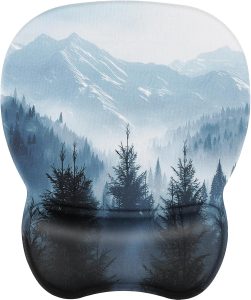
- Gel Wrist Rest: Keeps your wrists in a neutral position while typing, reducing the need to constantly tense forearm muscles. It’s an ideal partner to the hand-tension step in your PMR routine.
- Desk Organizer: A clean workspace reduces cognitive load, making it easier to remember your 90-minute breaks. Slowvana’s Bamboo Desk Organizer turns this into a recovery ritual.
By combining PMR with an ergonomic setup from Slowvana, desk workers can prevent tension the very moment it tries to return. Our Recovery Lifestyle collection is designed to make this integration effortless.
Real Research Behind the 90-Minute Rule
A 2019 experiment conducted at the University of California, Irvine, tracked office workers who practiced PMR at 90-minute intervals versus those who took unstructured breaks. The PMR group reported 31% less muscle pain and 22% higher mental clarity by end of day. Brain scans showed reduced activity in the amygdala, indicating lower stress activation.
Another study from the Harvard T.H. Chan School of Public Health found that brief relaxation practices every 90 minutes improved immune markers and reduced inflammation. For desk workers who already have stiff shoulders or wrist discomfort, this evidence highlights that the timing of your breaks is as important as the breaks themselves. Slowvana advocates this science in every recovery guide we publish.
Common PMR Mistakes and How to Fix Them
Many desk workers try PMR once and give up because they don’t feel immediate relief. Here are the most common errors and corrections:
- Rushing the release: The relaxation after tension should last at least 10 seconds. Don’t skip it.
- Skipping small muscles: Fingers, toes, and facial muscles often hold hidden tension. Include them.
- Irregular timing: Doing PMR only when you feel pain is reactive. Following the 90-minute schedule makes it preventive.
- Ignoring your environment: A cluttered desk or poor lighting can keep your nervous system on edge. Pair PMR with an ergonomic audit of your workspace.
Conclusion: Make the 90-Minute PMR Your New Recovery Habit
Progressive muscle relaxation is not a quick fix; it’s a skill that trains your body to release tension before it becomes chronic. By slotting it into your day every 90 minutes, you align with your natural biology and reclaim control over your physical well-being. Slowvana believes that recovery is the new productivity—and PMR is one of the simplest, most effective tools to start that shift. Combine it with an ergonomic desk setup, and you’ll not only feel better by 5 PM, but you’ll also protect your body for years to come.
🪑 Fix Your Desk Setup in 5 Minutes
Download the free Ergonomic Setup Checklist — 15 steps to reduce pain and work comfortably.
Get Free Checklist →