For desk workers, understanding Weekend Sleep Consistency Matters is essential for maintaining comfort and productivity throughout the workday. Here is what the research shows and how to apply it.
Keeping the same sleep-wake schedule on weekends is one of the most effective ways to protect your focus, mood, and long-term health. When you shift your bedtime and wake time by two or more hours on Saturday and Sunday, you create a condition known as social jetlag — a mismatch between your body’s internal clock and your social schedule. For desk workers already dealing with prolonged sitting and screen time, this disruption amplifies fatigue, reduces cognitive performance, and undermines recovery. Slowvana’s Recovery Lifestyle approach emphasizes that consistency across all seven days is the foundation of sustainable energy.
What Is Social Jetlag and Why It Hurts Desk Workers
Social jetlag occurs when your circadian rhythm — the natural 24-hour cycle regulating sleep, hormone release, and digestion — gets pushed out of sync because you stay up later and sleep in on weekends. A study published in Current Biology found that even a one-hour shift in sleep timing can reduce sleep quality and increase daytime sleepiness. For desk workers, who rely on stable cognitive function for tasks like coding, writing, and decision-making, the effects are measurable: slower reaction times, reduced working memory, and a 20–40% drop in productivity on Monday mornings.
Because your body doesn’t distinguish between a workday and a weekend — your suprachiasmatic nucleus (the brain’s master clock) runs the same program every day — a late Friday night sends the signal that it’s time to reset. By Sunday night, you’re fighting to fall asleep at a reasonable hour, and Monday feels like a recovery day rather than a productive start.
How Inconsistent Sleep Affects Your Work Performance
Research from the Journal of Clinical Sleep Medicine shows that irregular sleep schedules are associated with higher levels of inflammation, poorer glucose metabolism, and increased risk of cardiovascular disease. For the average desk worker, the immediate consequences include:
- Brain fog: Your prefrontal cortex — responsible for planning and impulse control — functions suboptimally after even minor sleep disruption.
- Weakened immune system: Inconsistent sleep reduces natural killer cell activity, making you more susceptible to colds and infections.
- Increased stress: Cortisol levels stay elevated when your circadian rhythm is disrupted, contributing to afternoon crashes and irritability.
These effects compound over time. A 2021 study of remote workers found that those with the most variable sleep times reported 35% more neck and shoulder tension — the same type of strain a well-designed ergonomic setup can help prevent. That’s why Slowvana’s desk products, like our bamboo monitor stand, are designed to work alongside consistent sleep routines to reduce physical stress.
Practical Steps to Build a Weekend Sleep-Wake Routine
Creating a weekend sleep-wake routine doesn’t mean you can never stay up late. It means keeping the difference between your weekday and weekend bedtimes to under one hour. Here are evidence-based strategies:
1. Set a Hard Window for Sleep
Choose a bedtime window (e.g., 10:30–11:00 PM) and a wake window (6:30–7:00 AM) that you follow every day. Allow a maximum 30-minute variation. Use an alarm for both bedtime and wake time initially until it becomes automatic.
2. Use Light Exposure Strategically
Morning sunlight within 30 minutes of waking reinforces your circadian rhythm. On weekends, don’t stay in a dark room. Open curtains or go outside for a brief walk. At night, dim lights and avoid screens 60 minutes before your target bedtime.
3. Anchor Weekend Social Activities Earlier
If you plan to see friends on Friday or Saturday, aim to start earlier — a 6 PM dinner instead of 9 PM. Late-night socializing is the biggest disruptor of weekend consistency. Consider a morning hike or brunch as alternatives.
4. Prepare Your Workspace for a Smoother Monday
A cluttered desk can create mental friction that delays sleep. Spend 10 minutes on Sunday evening clearing your desk and adjusting your ergonomic setup. Slowvana’s blog on desk ergonomics shares simple resets that reduce anxiety and help you wind down.
The Role of Your Workspace in Sleep Consistency
Your environment — both in the bedroom and at your desk — influences your ability to maintain a consistent schedule. Desk workers who sit for eight-plus hours often experience tension in the neck, shoulders, and lower back. This physical discomfort can make it harder to fall asleep or stay asleep. By addressing ergonomic pain points, you remove a barrier to restful sleep.
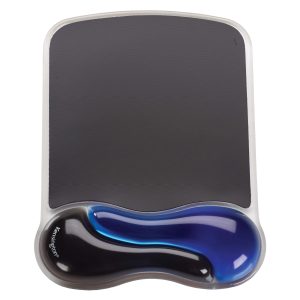
For example, a bamboo laptop stand from Slowvana raises your screen to eye level, preventing the forward head posture that strains the cervical spine. Reduced neck pain means less mid-sleep tossing and turning. Similarly, using a gel wrist rest keeps your wrists in neutral alignment, reducing nerve irritation that can cause micro-awakenings.
When you combine an ergonomic workstation with a consistent sleep-wake routine, you create a recovery cycle: good posture during the day leads to better sleep at night, and better sleep improves your ability to maintain good posture the next day. Slowvana’s entire product philosophy — Recovery Lifestyle — is built on this feedback loop.
Conclusion: Your Weekly Reset Starts With Consistency
A weekend binge of late nights and sleepy mornings feels like freedom, but it actually robs you of the energy you need to enjoy your days off. By committing to a sleep-wake consistency routine — even on weekends — you reduce social jetlag, sharpen your focus, and protect your long-term health. Small changes, like keeping a fixed wake time and adjusting your evening habits, compound into significant improvements.
At Slowvana, we believe that recovery is not something you do after work — it’s something you integrate into every part of your day, including your sleep schedule. Start this weekend: set one alarm for your wake time, and let your body thank you on Monday morning.
🪑 Fix Your Desk Setup in 5 Minutes
Download the free Ergonomic Setup Checklist — 15 steps to reduce pain and work comfortably.
Get Free Checklist →