For desk workers, understanding Breathwork for Instant Calm at Work is essential for maintaining comfort and productivity throughout the workday. Here is what the research shows and how to apply it.
Breathwork for instant calm at work is a proven, research-backed method to reduce stress and regain focus in under five minutes—no equipment, privacy, or training required. By consciously altering your breathing rhythm, you can activate the parasympathetic nervous system, lower cortisol, and shift from fight-or-flight to rest-and-digest mode, all while seated at your desk. At Slowvana, we believe recovery isn’t something you schedule after work; it’s something you integrate into your workday. Here are four breathwork patterns you can actually use, right now, without anyone noticing.
Why Breathwork Works for Desk Workers
Desk work is a chronic stress amplifier. Hours of static posture, screen glare, and cognitive load keep your sympathetic nervous system (the ‘gas pedal’) engaged. Over time, this leads to shallow chest breathing, increased heart rate, and tension in the neck and shoulders. Breathwork interrupts this cycle by forcing the body into a state of physiological calm. A 2017 study in Frontiers in Psychology found that slow-paced breathing (6 breaths per minute) significantly reduced state anxiety and improved cognitive performance. For desk workers, this means a 5-minute breathing break can be more effective than a coffee run for restoring focus.
Technique 1: Box Breathing (4-4-4-4)
Box breathing, also known as square breathing, is the gold standard for immediate calm. Used by Navy SEALs and first responders, it’s designed to reset the autonomic nervous system under pressure. The pattern is simple: inhale for 4 counts, hold for 4 counts, exhale for 4 counts, hold for 4 counts. Repeat for 3-5 cycles. Why it works for desk workers: it’s completely silent, requires no hand movements, and can be done with eyes open while maintaining eye contact in a meeting. Slowvana recommends this as your go-to technique before any high-stakes email, presentation, or difficult conversation.
How to Practice Box Breathing at Your Desk
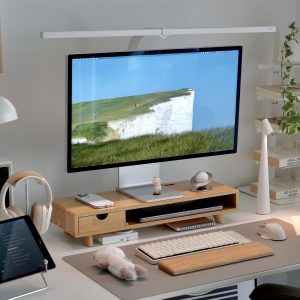
- Sit upright with both feet flat on the floor. If your chair doesn’t support a neutral spine, consider a lumbar cushion or monitor stand to align your posture. Slowvana’s bamboo monitor stand elevates your screen to eye level, reducing the tendency to slump forward during breathwork.
- Place one hand on your lower belly to feel the diaphragm expand. This tactile feedback reinforces deep breathing.
- Inhale through your nose for 4 seconds. Your belly should rise, not your chest.
- Hold for 4 seconds. Keep your throat relaxed.
- Exhale through your mouth or nose for 4 seconds. Make the exhale slightly longer if comfortable.
- Hold empty for 4 seconds. This pause is where the magic happens—it activates the vagus nerve.
Technique 2: 4-7-8 Breathing (The Relaxation Breath)
Developed by Dr. Andrew Weil, the 4-7-8 pattern is a natural tranquilizer for the nervous system. The extended exhale (8 counts) and breath hold (7 counts) stimulate the vagus nerve, triggering a parasympathetic response. This is particularly effective for afternoon slumps or when anxiety spikes after a stressful call. A 2021 study in Applied Psychophysiology and Biofeedback showed that 4-7-8 breathing reduced heart rate and blood pressure in participants within 5 minutes. For desk workers, this technique doubles as a micro-meditation—you can’t think about deadlines when you’re counting to 8.
When to Use 4-7-8 at Work
- After a tense client call or performance review
- Before a creative task requiring focused attention
- During a bathroom break to reset before returning to the desk
- As a replacement for stress-eating or doom-scrolling during breaks
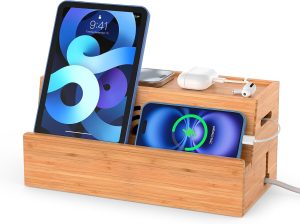
Slowvana’s recovery philosophy is built on micro-interventions like this. You don’t need a meditation room—just a quiet moment and a willingness to breathe differently. Pair this technique with a clean, organized workspace to minimize distractions. Our bamboo desk organizer helps keep your surface clear, so your mind can follow.
Technique 3: Physiological Sigh (Cyclic Sighing)
The physiological sigh is the body’s natural stress-release mechanism—you’ve probably done it unconsciously after a deep exhale. Researchers at Stanford University found that cyclic sighing (two inhales through the nose followed by a long exhale through the mouth) was the most effective breathwork pattern for reducing anxiety and improving mood in a 2023 study published in Cell Reports Medicine. The double inhale re-inflates tiny air sacs in the lungs called alveoli, maximizing oxygen exchange. The long exhale stimulates the vagus nerve and lowers heart rate. It’s fast, discreet, and can be done in under 10 seconds.
How to Do a Physiological Sigh
- Inhale fully through your nose.
- Without exhaling, take another short sip of air to top off your lungs.
- Exhale slowly and completely through your mouth, making a soft sighing sound if comfortable.
- Repeat 2-3 times. You’ll feel an immediate drop in tension.
This technique is ideal for desk workers because it mimics the natural sighing pattern your body already knows. Use it when you catch yourself holding your breath—a common habit during focused work. Slowvana’s gel wrist rest can serve as a tactile anchor: place your hand on it, feel the cool gel, and use that sensation to cue your breath.
Technique 4: 5-Minute Coherent Breathing (5 Breaths Per Minute)
Coherent breathing, also called resonant breathing, involves breathing at a rate of 5 breaths per minute (inhale for 6 seconds, exhale for 6 seconds). This frequency optimizes heart rate variability (HRV), a key marker of recovery and resilience. A 2022 meta-analysis in Psychophysiology confirmed that slow-paced breathing at 4-6 breaths per minute improves HRV and reduces anxiety. For desk workers, coherent breathing is a structured break you can schedule between tasks—think of it as a ‘reset button’ for your nervous system.
Setting Up a Coherent Breathing Practice
- Set a timer for 5 minutes. Use a breathing app or a simple visual timer.
- Sit with a neutral spine. Your monitor should be at eye level—Slowvana’s bamboo laptop stand can help raise your screen to the correct height, preventing neck strain during your practice.
- Inhale for 6 seconds through your nose. Feel the breath expand your ribcage laterally.
- Exhale for 6 seconds through your nose or mouth. Make the transition smooth, without a pause.
- Repeat for 5 minutes. Aim for 25 breaths total.
Over time, consistent coherent breathing can shift your baseline nervous system state toward greater calm. Slowvana’s Recovery Lifestyle approach encourages you to treat this like a daily habit—just as you brush your teeth, you breathe consciously for 5 minutes. Pair it with a clean desk mat (like our large felt desk mat) to create a dedicated ‘calm zone’ at your workspace.
Integrating Breathwork Into Your Workday
The science is clear: breathwork is one of the most accessible, effective tools for immediate stress reduction. But knowing the techniques isn’t enough—you need a system to remember them. Slowvana recommends the following triggers to build a sustainable practice:
Trigger 1: Before Every Meeting
Spend 30 seconds doing a single physiological sigh before joining a video call. This lowers your baseline anxiety and improves your vocal presence.
Trigger 2: After Every Hour of Screen Time
Use the 20-20-20 rule (look at something 20 feet away for 20 seconds every 20 minutes) as a cue for 4-7-8 breathing. Look away from the screen, and breathe. Our guide to the 20-20-20 rule for eye strain relief pairs perfectly with this trigger.
Trigger 3: When You Feel Overwhelmed
If you notice your shoulders rising toward your ears or your jaw clenching, that’s a sign of shallow breathing. Do 2 cycles of box breathing immediately. Slowvana’s bamboo monitor stand helps maintain an open chest posture, making deep breathing easier.
What the Research Says About Long-Term Benefits
While breathwork provides immediate calm, its long-term effects are even more compelling. A 2023 systematic review in Frontiers in Psychiatry found that regular breathwork practice (10-20 minutes daily for 8 weeks) significantly reduced symptoms of anxiety, depression, and PTSD. For desk workers, the implications are profound: by investing 5 minutes per day in breathwork, you’re not just managing stress—you’re building resilience. Slowvana’s recovery lifestyle is built on this principle: small, consistent actions compound into meaningful health improvements.
Common Mistakes and How to Avoid Them
Even simple breathwork can go wrong. Here are the most common pitfalls desk workers face:
- Over-breathing (hyperventilation): If you feel dizzy or lightheaded, you’re breathing too fast or too deeply. Slow down. Aim for 5-6 breaths per minute.
- Holding your breath too long: Breath holds should feel comfortable, not straining. If you feel pressure in your head, reduce the hold time.
- Ignoring posture: Slouching compresses the diaphragm, making deep breathing nearly impossible. Use a monitor stand or lumbar support to maintain an upright posture.
- Expecting immediate results: Some techniques work instantly (physiological sigh), while others require a few minutes to take effect. Give each technique at least 3 cycles before judging.
Building Your Breathwork Toolkit
You don’t need any special equipment for breathwork, but a few tools can enhance your practice:
- Timer or app: Use a simple interval timer or a dedicated breathing app like Breathwrk or Paced Breathing.
- Comfortable seating: Your chair should support an upright posture. If it doesn’t, a lumbar cushion can help.
- Clean workspace: Clutter increases cognitive load. Slowvana’s bamboo desk organizer and felt desk mat create a calm visual environment that supports relaxation.
- Hydration: Drink water before and after breathwork. Deep breathing can dry out your mouth and throat.
Conclusion
Breathwork is the most underrated recovery tool available to desk workers. It’s free, private, and effective within minutes. Whether you choose box breathing, 4-7-8, physiological sighs, or coherent breathing, the key is consistency. Start with one technique today—use it before a meeting or after a stressful email. Over time, these micro-interventions will rewire your nervous system for greater calm and focus. At Slowvana, we’re committed to helping you recover during work, not just after it. Pair your breathwork practice with ergonomic tools like our monitor stands and wrist rests to create a workspace that supports both your body and mind. Your breath is your most powerful recovery tool—use it.
Frequently Asked Questions
🪑 Fix Your Desk Setup in 5 Minutes
Download the free Ergonomic Setup Checklist — 15 steps to reduce pain and work comfortably.
Get Free Checklist →