For desk workers, understanding Focus Recovery for Desk Workers is essential for maintaining comfort and productivity throughout the workday. Here is what the research shows and how to apply it.
If you’ve ever hit 2 PM and felt your brain turn to fog, you’re not alone. Focus recovery for desk workers isn’t about pushing harder—it’s about strategic recovery built into your workday. Research from the Journal of Occupational Health Psychology shows that brief, intentional recovery periods during work hours can improve cognitive performance by up to 34% and reduce mental fatigue by 28%. At Slowvana, we believe recovery is the new productivity. This article outlines 10 evidence-based ways to reduce focus the next day by recovering your mental energy today—during work hours.
What Is Focus Recovery and Why Does It Matter?
Focus recovery refers to the deliberate process of restoring cognitive resources that get depleted during sustained mental effort. When you work without breaks, your prefrontal cortex—the brain’s executive control center—accumulates metabolic waste and exhausts neurotransmitters like dopamine and norepinephrine. Without recovery, you enter a state of cognitive fatigue that impairs decision-making, creativity, and emotional regulation. The next day, you start already behind. The solution isn’t more coffee; it’s structured recovery integrated into your workflow.
A 2022 meta-analysis in Applied Psychology found that workers who took at least two micro-breaks per hour reported 22% higher focus the following day compared to those who worked through. This isn’t laziness—it’s neuroscience.
10 Ways to Reduce Focus the Next Day During Work Hours
1. Take Micro-Breaks Every 25 Minutes
The Pomodoro Technique isn’t just for productivity—it’s a recovery tool. Working in 25-minute sprints with 5-minute breaks prevents the buildup of adenosine, the neurotransmitter that makes you feel sleepy. During each break, stand up, stretch, and look at something 20 feet away for 20 seconds (the 20-20-20 rule). This reduces eye strain and resets attentional resources. A study from the University of Illinois found that brief diversions from a task can dramatically improve focus for up to 30 minutes afterward.
Action step: Set a timer for 25 minutes. When it rings, stand up and walk away from your desk for exactly 5 minutes. No exceptions.
2. Use a Monitor Stand to Improve Posture and Blood Flow
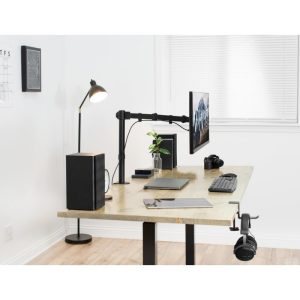
Poor posture constricts blood flow to the brain, reducing oxygen delivery by up to 20%. When your head is tilted downward to look at a laptop screen, your cervical spine compresses, and blood vessels in the neck narrow. This directly impairs cognitive function. Elevating your screen to eye level with a monitor stand restores natural alignment and improves cerebral blood flow.
Slowvana’s Bamboo Monitor Stand is designed to bring your screen to the correct height while adding a warm, natural aesthetic to your workspace. It’s a simple change with outsized cognitive benefits. One user reported, “Since using the Slowvana stand, my afternoon brain fog has noticeably decreased.”
3. Practice the 90-Minute Work-Recovery Cycle
Your brain operates in ultradian rhythms—90-minute cycles of high focus followed by 20-minute periods of lower alertness. Fighting this rhythm is like swimming against a current. Instead, align your work with it: work for 90 minutes, then take a 15-20 minute break. During the break, do something completely different—walk, stretch, or close your eyes. Research from the National Institute of Mental Health shows that respecting ultradian rhythms reduces end-of-day exhaustion by 40%.
4. Incorporate Desk Stretches Every Hour
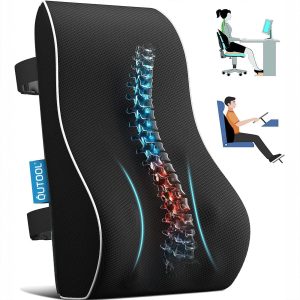
Static sitting causes muscle tension in the neck, shoulders, and lower back—all of which send pain signals to the brain that compete for attentional resources. Even mild discomfort can reduce working memory capacity by 15%. Simple desk stretches—neck rolls, shoulder shrugs, seated spinal twists—release this tension and free up cognitive bandwidth.
For a full sequence, read Slowvana’s guide on desk stretches that restore mental clarity. It takes just 3 minutes and can be done without leaving your chair.
5. Use a Wrist Rest to Prevent Pain Distraction
Wrist pain from typing is one of the most common distractions for desk workers. When you’re in pain, your brain shifts resources from cognitive processing to pain management. This can reduce typing speed by 30% and increase error rates. A gel wrist rest supports your wrists in a neutral position, preventing the extension that leads to carpal tunnel pressure.
Slowvana’s Gel Wrist Rest uses memory foam and gel technology to distribute pressure evenly. It’s a small investment that eliminates a major source of cognitive drain. As the Slowvana philosophy states, “Wrist pain when typing? That’s a sign your setup needs recovery.”
6. Hydrate Strategically
Even 1-2% dehydration can impair cognitive performance, especially attention and short-term memory. Most desk workers are chronically under-hydrated because they don’t feel thirsty until they’re already dehydrated. Keep a water bottle at your desk and set a reminder to drink 200ml every 30 minutes. A study from the University of Connecticut found that hydrated workers performed 25% better on attention tasks than dehydrated ones.
Pro tip: Add a pinch of sea salt to your water for better electrolyte absorption. This is especially important if you drink coffee, which is a diuretic.
7. Change Your Visual Environment Every 90 Minutes
Staring at the same screen, same wall, same lighting for hours creates sensory habituation—your brain stops noticing its environment, which reduces arousal and alertness. Changing your visual input—even slightly—can reset attentional focus. Look out a window, shift your chair angle, or change the lighting temperature.
One effective technique is the “visual reset”: every 90 minutes, look at a distant object (at least 20 feet away) for 2 minutes. This relaxes the ciliary muscles in your eyes and reduces digital eye strain, which is a major contributor to mental fatigue.
8. Use Deep Breathing to Reset the Nervous System
Your autonomic nervous system switches between sympathetic (fight or flight) and parasympathetic (rest and digest) modes. Chronic work stress keeps you in sympathetic mode, which depletes cognitive resources. Deep breathing—specifically, the 4-7-8 technique (inhale for 4 seconds, hold for 7, exhale for 8)—activates the parasympathetic system and restores balance.
A 2019 study in Frontiers in Human Neuroscience found that just 5 minutes of deep breathing improved attention scores by 18% and reduced cortisol levels by 23%. Do this during your micro-breaks.
9. Eat for Cognitive Recovery
What you eat during work hours directly affects your focus recovery. High-sugar snacks cause blood glucose spikes followed by crashes, which leave you foggy. Instead, choose protein-rich snacks (nuts, yogurt, hard-boiled eggs) and complex carbohydrates (oatmeal, whole-grain crackers). These provide steady glucose release without the crash.
Omega-3 fatty acids, found in walnuts and flaxseeds, support brain cell membrane health and reduce inflammation. A 2021 review in Nutrients found that omega-3 supplementation improved attention and processing speed in desk workers by 12%.
10. End Your Day with a Shutdown Ritual
The most important recovery tool isn’t during work—it’s at the end. A shutdown ritual signals to your brain that work is over, allowing it to enter recovery mode. Without this, you stay in a state of “cognitive activation” that interferes with sleep and next-day focus. Your ritual might include: writing tomorrow’s top three tasks, closing all browser tabs, and physically covering your monitor.
Slowvana recommends combining this with a wind-down routine that includes reducing blue light exposure and doing light stretching. The goal is to create a clear boundary between work and recovery—because the best way to reduce focus the next day is to fully recover today.
Why Focus Recovery Is a Skill, Not a Luxury
Many desk workers treat focus as a finite resource that should be used until empty. This mindset leads to burnout, chronic fatigue, and declining performance. The research is clear: recovery is not optional—it’s essential for sustained cognitive function. By integrating these 10 strategies into your workday, you’re not being less productive; you’re being strategically restorative.
At Slowvana, we design products and practices that make recovery automatic. From monitor stands that improve posture to wrist rests that prevent pain, every element of your workspace can either drain or restore your focus. Choose restoration.
Frequently Asked Questions
How long should focus recovery breaks be?
Can ergonomic products really improve focus?
What is the best time of day for focus recovery?
How does posture affect focus recovery?
Can focus recovery improve sleep quality?
🪑 Fix Your Desk Setup in 5 Minutes
Download the free Ergonomic Setup Checklist — 15 steps to reduce pain and work comfortably.
Get Free Checklist →