For desk workers, understanding The Circadian Rhythm Hack Every Desk Worker Needs to Know is essential for maintaining comfort and productivity throughout the workday. Here is what the research shows and how to apply it.
The Hidden Clock That Controls Your Workday
You sit down at your desk at 9 AM, coffee in hand, ready to conquer the day. But by 2 PM, you’re staring blankly at your screen, struggling to form a coherent sentence. Your energy has evaporated. Your focus is gone. And you’re already dreading tomorrow’s repeat performance.
This isn’t a character flaw or a lack of willpower. It’s your circadian rhythm—your body’s internal 24-hour clock—begging for attention.
“Circadian rhythms are not just about sleep. They orchestrate nearly every biological process, from hormone release to metabolism to cognitive performance.” — Dr. Satchin Panda, author of The Circadian Code
For desk workers, this internal clock is especially vulnerable. We spend 8–10 hours under artificial light, glued to screens, eating at irregular times, and moving minimally. The result? A desynchronized body clock that leads to afternoon crashes, poor sleep, brain fog, and chronic fatigue.
But there’s a science-backed hack that can rewire your day. And it doesn’t require a complete lifestyle overhaul. Let’s dive into the circadian rhythm hack every desk worker needs to know—and how to implement it starting today.
What Is a Circadian Rhythm—And Why Should You Care?
Your circadian rhythm is a roughly 24-hour cycle that governs when you feel alert, sleepy, hungry, or energetic. It’s controlled by a master clock in your brain called the suprachiasmatic nucleus (SCN), which responds primarily to light.
Here’s what happens when this rhythm is aligned:
- Morning: Cortisol rises naturally, waking you up and sharpening focus.
- Midday: Body temperature peaks, supporting physical and mental performance.
- Afternoon: A slight dip in alertness occurs (the dreaded 2–4 PM slump).
- Evening: Melatonin rises, preparing your body for restful sleep.
When your rhythm is disrupted—by late-night screen use, irregular meal times, or poor light exposure—your entire day suffers. Studies show that chronic circadian misalignment increases the risk of obesity, diabetes, cardiovascular disease, and depression (source: Current Biology, 2019).
For desk workers, the main culprits are:
- Too little bright light in the morning (indoor office lighting is 100–500 lux vs. 10,000+ lux outdoors)
- Too much blue light at night (screens emit high-intensity blue light that suppresses melatonin)
- Sedentary behavior (lack of movement confuses your body’s time cues)
- Irregular eating patterns (eating late at night disrupts metabolic rhythms)
The Circadian Rhythm Hack: Light, Movement, and Timing
This isn’t a single trick—it’s a three-part protocol that addresses the root causes of circadian disruption for desk workers. Each component is backed by research and takes less than 10 minutes per day.
1. Morning Light Exposure: The Master Reset Button
The most powerful circadian cue is bright light in the first 30–60 minutes after waking. This signals your SCN to stop melatonin production and release cortisol, setting your internal clock for the day.
The research: A 2017 study in Sleep Health found that people who received morning light exposure (30 minutes of outdoor light) fell asleep 46 minutes earlier and reported better mood and energy.
How to do it:
- Go outside for 10–15 minutes right after waking (no sunglasses).
- If you can’t go outside, sit near a window or use a 10,000 lux light therapy lamp.
- Avoid screens for the first 30 minutes—or at least use blue-light blocking glasses.
Pro tip for remote workers: Take your morning coffee on a balcony, porch, or near a south-facing window. This simple habit can reduce the afternoon slump by up to 40%.
2. Movement Breaks That Sync Your Body Clock
Your circadian rhythm doesn’t just respond to light—it also responds to physical activity. Exercise during the day increases body temperature, heart rate, and alertness, reinforcing your wakeful state. Conversely, inactivity sends mixed signals to your brain.
The research: A 2019 meta-analysis in Sports Medicine concluded that midday exercise (between 12 PM and 4 PM) improves circadian phase alignment and reduces evening fatigue.
How to do it:
- Every 90 minutes, stand up and walk for 2–3 minutes. This breaks up sedentary time and re-energizes your clock.
- Schedule a 10-minute walk after lunch—preferably outdoors. This combats the post-meal energy dip.
- Use a foot rest to encourage subtle leg movements while seated. Even small muscle contractions help maintain alertness.
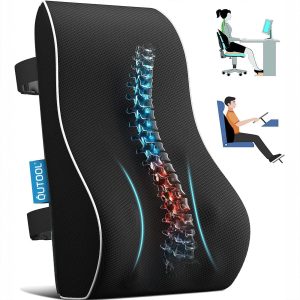
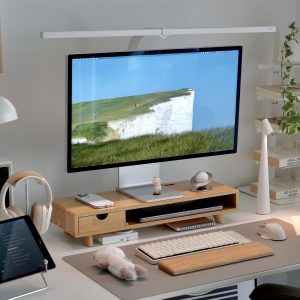
Pairing movement with your ergonomic setup makes it easier to stay consistent. A monitor arm that lets you adjust screen height while standing, or a lumbar support cushion that encourages better posture during movement breaks, can remove friction from this habit.
3. Timing Your Light Exposure and Meals
Your body clock is exquisitely sensitive to when—not just what—you do. Two timing factors matter most:
Light timing: In the evening, your brain interprets blue light as midday, suppressing melatonin. This delays sleep onset and reduces sleep quality.
The fix: Use blue-light blocking glasses or install f.lux on your computer 2–3 hours before bed. Dim your overhead lights and switch to warm-toned lamps.
Meal timing: Eating late at night (after 9 PM) tells your body it’s still daytime, disrupting metabolic rhythms. A 2020 study in Cell Metabolism found that eating within a 10-hour window (e.g., 8 AM to 6 PM) improved sleep quality and energy levels.
How to do it:
- Finish your last meal at least 3 hours before bedtime.
- Keep your eating window to 10–12 hours (e.g., 8 AM–6 PM or 9 AM–7 PM).
- Avoid caffeine after 2 PM—it has a half-life of 5–6 hours and can delay your circadian phase.
How Your Workspace Affects Your Internal Clock
Your desk environment isn’t neutral—it’s either helping or hindering your circadian rhythm. Here’s what to optimize:
Lighting
The average office desk receives 100–500 lux of artificial light. Compare that to 10,000–25,000 lux outdoors. This dim environment fails to properly entrain your circadian rhythm.
Solutions:
- Position your desk near a window to capture natural light patterns.
- Use a daylight-balanced desk lamp (5000K) during the day.
- Switch to warm-spectrum lighting (2700K) after 6 PM.
Posture and Movement
Slouching compresses your diaphragm, reducing oxygen intake and energy. It also disrupts the subtle movements that keep your circadian system active.
Ergonomic upgrades that support circadian health:
- Monitor stand: Elevating your screen to eye level encourages an upright posture, which improves breathing and alertness.
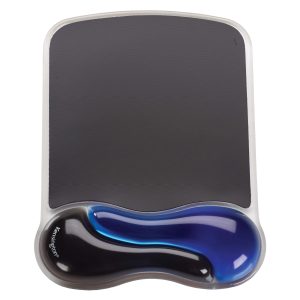
- Wrist rest: Proper wrist alignment reduces fatigue and discomfort, making it easier to stand and move regularly.
- Lumbar support: A supportive chair or cushion maintains natural spinal curves, reducing the urge to slouch and crash.
- Foot rest: Encourages subtle leg movement, which can help maintain energy during long work sessions.
Temperature
Your body temperature naturally drops in the evening to promote sleep. A warm, stuffy office can confuse this signal. Keep your workspace between 68–72°F (20–22°C) during the day, and slightly cooler at night.
Sample Daily Schedule for Circadian Alignment
| Time | Action | Why It Works |
|---|---|---|
| 6:30–7:00 AM | Wake up, get 10–15 min of morning light | Resets your SCN, stops melatonin |
| 7:00–8:00 AM | Eat breakfast (ideally within 1 hour of waking) | Signals metabolic start to your body |
| 8:00 AM–12:00 PM | Deep work (your peak cognitive window) | Cortisol levels are naturally highest |
| 12:00–1:00 PM | Lunch + 10-min walk outdoors | Re-exposes you to bright light, prevents slump |
| 1:00–4:00 PM | Lower-focus tasks (emails, meetings) | Natural dip in alertness; don’t fight it |
| 4:00–5:00 PM | Light movement break (stretch, walk, foot rest use) | Boosts energy for final work push |
| 5:00–6:00 PM | Finish work, dim lights, switch to warm lighting | Prepares body for evening wind-down |
| 6:00–7:00 PM | Dinner (finish by 7:30 PM) | Aligns with metabolic circadian window |
| 7:00–9:30 PM | Relax, avoid screens or use blue-light blockers | Melatonin rises naturally |
| 9:30–10:00 PM | Wind down, sleep | Consistent bedtime reinforces rhythm |
Common Mistakes That Sabotage Your Circadian Rhythm
- Sleeping in on weekends: Shifting your sleep schedule by 2+ hours creates “social jetlag.” Keep wake-up times within 1 hour of your weekday schedule.
- Coffee after 2 PM: Caffeine has a half-life of 5–6 hours. A 3 PM coffee can still be affecting your sleep at 9 PM.
- Working in bed: Your brain associates bed with sleep. Working from bed blurs this boundary and disrupts your body clock.
- Ignoring the afternoon slump: Instead of fighting it with caffeine, use a 10-minute walk or a power nap (under 20 minutes) to reset.
Your 7-Day Circadian Reset Plan
Ready to implement the hack? Here’s a simple week-long plan:
- Days 1–2: Focus only on morning light exposure (10–15 min outside within 30 min of waking).
- Days 3–4: Add a 10-minute outdoor walk after lunch. Use a foot rest or monitor stand to support better posture during work.
- Days 5–6: Reduce evening screen time by 30 minutes. Use blue-light blockers or dim lights after 7 PM.
- Day 7: Set a consistent wake-up and bedtime (within 1 hour of each other, every day).
By day 7, you’ll likely notice better morning energy, fewer afternoon crashes, and deeper sleep.
The Takeaway: Small Changes, Big Impact
Your circadian rhythm isn’t a luxury—it’s a biological necessity. And for desk workers, it’s often the first casualty of modern work life. But the fix isn’t complicated.
The circadian rhythm hack every desk worker needs to know is this: Prioritize morning light, midday movement, and evening dimming. These three levers—each requiring less than 15 minutes of effort—can transform your energy, focus, and sleep.
And when you pair these habits with an ergonomic workspace that supports natural posture and movement (think monitor stands, wrist rests, lumbar support, and foot rests), you’re not just working smarter—you’re working in sync with your biology.
Start tomorrow morning. Step outside. Feel the light on your face. Your body clock will thank you.
🪑 Fix Your Desk Setup in 5 Minutes
Download the free Ergonomic Setup Checklist — 15 steps to reduce pain and work comfortably.
Get Free Checklist →