Here are 5 evidence-based Minutes to Reset Your Nervous System that address specific aspects of desk wellness. Each method targets a different pain point, giving you a complete toolkit for recovery at work.
Your Desk Is a Stress Trap (And Your Body Knows It)
You know that tightness in your shoulders that appears around 3 PM? The shallow breathing that creeps in before a big deadline? That dull ache in your lower back that never quite goes away?
These aren’t just random discomforts. They’re signals from your nervous system, telling you it’s stuck in a cycle of tension and stress. And the root cause? Hours of static sitting, poor posture, and a brain that never gets a break.
But there’s a simple, research-backed solution that takes just five minutes: chair yoga for desk workers. No mat required. No change of clothes. No judgment. Just you, your chair, and a reset button for your nervous system.
Why Your Nervous System Needs a Mid-Day Reset
To understand why chair yoga is so effective, you need to meet your autonomic nervous system’s two main players: the sympathetic (fight-or-flight) and parasympathetic (rest-and-digest) branches.
When you’re under chronic stress — from deadlines, notifications, or even just holding tension in your shoulders — your sympathetic nervous system stays activated. Cortisol levels rise. Heart rate increases. Muscles tighten. Over time, this leads to burnout, poor focus, and physical pain.
Research from Harvard Medical School shows that even brief periods of mindful movement can shift the balance toward parasympathetic dominance, lowering heart rate and blood pressure within minutes. Chair yoga is specifically designed to do this — without pulling you away from your workflow.
“The simple act of moving your spine in all six directions — forward, back, side to side, and twisting — can reset your nervous system’s alarm bells,” says Dr. Rachel Zoffness, pain management specialist and author of The Pain Management Workbook.
What Is Chair Yoga for Desk Workers?
Chair yoga adapts traditional yoga poses so they can be performed while seated (or using a chair for support). It’s accessible, low-impact, and perfect for office environments.
Unlike a full yoga class, chair yoga for desk workers focuses on:
- Releasing tension in the neck, shoulders, and lower back
- Improving circulation in legs and hips (which are compressed while sitting)
- Encouraging deep, diaphragmatic breathing to calm the nervous system
- Restoring spinal mobility after hours of static posture
The 5-Minute Chair Yoga Sequence for Nervous System Reset
Here’s a simple sequence you can do right now, at your desk. Move slowly. Breathe deeply. There’s no wrong way to do this.
1. Seated Cat-Cow (Spinal Warm-Up)
Time: 1 minute
How to do it: Sit tall with hands on your knees. Inhale, arch your spine gently, lifting your chest and looking slightly up (Cow pose). Exhale, round your spine, tucking your chin and drawing your belly in (Cat pose). Move slowly, syncing breath with movement.
Why it works: This gentle spinal flexion and extension mobilizes the vertebrae, releases tension in the mid-back, and stimulates the vagus nerve — a key player in the parasympathetic nervous system.
2. Seated Side Bend (Intercostal Stretch)
Time: 1 minute (30 seconds per side)
How to do it: Sit tall. Inhale, reach your right arm overhead. Exhale, lean gently to the left, keeping your hips grounded. Hold for 3-5 deep breaths. Repeat on the other side.
Why it works: Sitting compresses the rib cage and restricts breathing. This stretch opens the intercostal muscles, allowing for deeper, more oxygenating breaths that calm the nervous system.
3. Seated Twist (Spinal Detox)
Time: 1 minute (30 seconds per side)
How to do it: Sit sideways on your chair, facing the backrest. Hold the back of the chair with both hands. Inhale to lengthen your spine, exhale to twist gently from your waist. Keep your hips square. Hold for 3-5 breaths. Repeat on the other side.
Why it works: Twists improve spinal mobility, stimulate digestion, and release tension in the lower back. They also help “wring out” stress from the connective tissue around the spine.
4. Neck Release (Tension Melter)
Time: 1 minute (30 seconds per side)
How to do it: Sit tall. Gently drop your right ear toward your right shoulder. Use your right hand to apply gentle pressure on the left side of your head (never pull). Breathe deeply. Repeat on the other side.
Why it works: Desk workers often hold stress in the neck and shoulders. This simple release can lower cortisol levels and reduce tension headaches.
5. Seated Forward Fold (Nervous System Reset)
Time: 1 minute
How to do it: Sit at the edge of your chair, feet flat on the floor. Inhale to lengthen your spine. Exhale, hinge at your hips, and fold forward, letting your hands rest on your shins or the floor. Let your head hang heavy. Stay for 5-8 deep breaths.
Why it works: Forward folds are deeply calming. They signal safety to the nervous system, lower blood pressure, and encourage a relaxation response.
Why This Works: The Science of Movement and the Vagus Nerve
Every pose in this sequence is designed to stimulate the vagus nerve — the longest nerve in the autonomic nervous system, running from your brainstem to your abdomen. When activated, the vagus nerve slows heart rate, lowers inflammation, and promotes a sense of calm.
A 2018 study in Frontiers in Psychiatry found that slow, mindful movement combined with deep breathing significantly increases vagal tone, which is associated with better emotional regulation and stress resilience. Chair yoga for desk workers is essentially a targeted vagus nerve workout.
How to Integrate Chair Yoga Into Your Workday
Consistency matters more than duration. Here are three practical ways to make this a habit:
Use the 50/10 Rule
Work for 50 minutes, then take 10 minutes to move. Use 5 of those minutes for this chair yoga sequence. The other 5? Walk, hydrate, or just breathe.
Set a Timer
Use a Pomodoro-style timer (like the Pomofocus app) to remind you to stand up and reset every hour. Pair it with this sequence.
Create a Trigger
Associate chair yoga with a daily event — right after lunch, before a meeting, or when you feel your shoulders creeping up toward your ears. That tension is your cue to reset.
Support Your Practice with the Right Setup
While chair yoga can be done anywhere, having an ergonomic setup makes it safer and more effective. Consider these additions to your workspace:
- Monitor stand: Keeps your screen at eye level, so you don’t crane your neck during forward folds or twists.
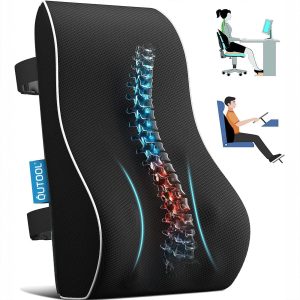
- Lumbar support: Maintains the natural curve of your spine during seated poses, preventing strain.
- Foot rest: Ensures your feet are flat and hips are level, creating a stable foundation for movement.
- Wrist rest: Reduces wrist strain during breaks, especially if you type immediately after stretching.
These tools aren’t just for comfort — they create an environment where your body can relax and reset more easily.
Common Mistakes to Avoid
- Holding your breath: Deep breathing is non-negotiable. If you’re holding your breath, you’re still in fight-or-flight mode.
- Pushing into pain: Gentle movement, not force. If something hurts, back off. Chair yoga is about release, not performance.
- Rushing through: Five minutes is plenty, but only if you move slowly. Each pose deserves at least three full breaths.
Frequently Asked Questions
Can I do chair yoga if I have back pain?
Yes, but consult your doctor first. Start with the gentlest versions of each pose. Avoid deep twists or forward folds if they aggravate your pain.
Do I need special equipment?
No. A sturdy chair without wheels is ideal, but any office chair works. If your chair has armrests, make sure they don’t restrict your movement.
How often should I practice?
Daily is ideal, even if it’s just 2-3 minutes. The goal is to break the cycle of prolonged sitting and chronic tension.
Can chair yoga replace a full yoga practice?
No, but it’s an excellent complement. Think of it as a maintenance tool for your nervous system between your regular exercise or yoga sessions.
Your 5-Minute Reset Starts Now
You don’t need a yoga studio, a mat, or an hour of free time to reset your nervous system. You just need five minutes and a chair.
The next time you feel tension creeping in — that familiar tightness in your shoulders, that shallow breath, that foggy brain — try this sequence. It’s not about becoming more flexible. It’s about giving your nervous system permission to pause, breathe, and reset.
Your body spends all day serving your work. The least you can do is give it five minutes to come back to balance.
Ready to build a recovery-friendly workspace? Explore Slowvana’s ergonomic essentials — monitor stands, lumbar support, foot rests, and wrist rests — designed to support your body through every stretch, every breath, and every workday.
🪑 Fix Your Desk Setup in 5 Minutes
Download the free Ergonomic Setup Checklist — 15 steps to reduce pain and work comfortably.
Get Free Checklist →