Here are 30 evidence-based Minutes Matters for Desk Workers that address specific aspects of desk wellness. Each method targets a different pain point, giving you a complete toolkit for recovery at work.
Your Desk Is a Time Machine—But Not in a Good Way
You sit down at 9 a.m. with a fresh cup of coffee. Your inbox is a battlefield, your Slack pings like a metronome, and the next thing you know, it’s 2 p.m. Your back aches, your neck is stiff, and your eyes feel like sandpaper. Sound familiar? You’re not alone. The average desk worker sits for 7.7 hours a day—more than we sleep. And yet, we rarely stop to ask: What is this doing to my body—and how can I fix it without quitting my job?
The answer isn’t a standing desk or a yoga retreat. It’s something far simpler—and far more powerful: the micro-break.
Backed by a growing body of research, micro-breaks—short, intentional pauses of 1–5 minutes every 30 minutes—are one of the most effective tools for preventing pain, boosting focus, and resetting your body’s stress response. Let’s dive into the science, and then I’ll show you exactly how to make them part of your day.
What Is a Micro-Break? (And Why Your Body Craves One)
A micro-break is a brief, non-work-related pause, typically lasting 30 seconds to 5 minutes, taken every 20–30 minutes of continuous desk work. Unlike a lunch break or a coffee run, micro-breaks are designed to interrupt prolonged static postures and repetitive movements—the two biggest culprits behind desk-related pain.
Think of your body like a smartphone battery. After 30 minutes of intense use, it starts to drain. A micro-break is like plugging in for a quick charge—not a full recharge, but enough to keep you going without crashing.
Research from the University of Illinois found that brief diversions can dramatically improve focus. In one study, participants who took two short breaks during a 50-minute task performed consistently better than those who worked straight through. The reason? Our attentional resources deplete with time, and micro-breaks allow them to replenish. So when you step away from your screen for 90 seconds, you’re not slacking—you’re recharging your brain.
The 30-Minute Rule: What the Science Says
Why 30 minutes? It’s not arbitrary. The human body is not designed for static postures. After just 20–30 minutes of uninterrupted sitting, your muscles begin to fatigue, your circulation slows, and your spine starts to compress. This is when pain sets in—and when your risk of long-term injury rises.
The Physiology of Prolonged Sitting
Here’s what happens inside your body after 30 minutes at your desk:
- Spinal discs lose hydration. Sitting increases pressure on your lumbar discs by up to 40% compared to standing. Over time, this can lead to disc degeneration and herniation.
- Muscles tighten. Your hip flexors shorten, your shoulders round forward, and your neck cranes toward the screen. This is the recipe for “desk neck” and “tech neck.”
- Circulation slows. Blood pools in your legs, increasing the risk of deep vein thrombosis (DVT) and varicose veins.
- Metabolic rate drops. After 30 minutes of sitting, your body’s fat-burning enzymes decline by 90%.
One landmark study published in the Annals of Internal Medicine found that prolonged sitting is associated with a higher risk of cardiovascular disease, diabetes, and early mortality—even if you exercise regularly. That’s right: a 30-minute run doesn’t cancel out 8 hours of sitting. But micro-breaks can.
How Micro-Breaks Counteract the Damage
A 2018 systematic review in Applied Ergonomics analyzed 22 studies on micro-breaks and found consistent evidence that they reduce musculoskeletal discomfort, eye strain, and fatigue. The magic number? A 1–2 minute break every 30 minutes significantly reduced pain in the neck, shoulders, and lower back.
Even more compelling: micro-breaks improve cognitive performance. A study from the University of Sydney showed that workers who took frequent short breaks reported higher productivity and lower mental fatigue compared to those who worked for hours without stopping. The key is frequency over duration—short breaks trump long ones.
5 Research-Backed Micro-Break Strategies You Can Do at Your Desk
Ready to put the science into practice? Here are five micro-break strategies that take less than two minutes and require zero equipment. Pick one to start, and build from there.
1. The 90-Second Stand & Stretch
Set a timer for 28 minutes. When it goes off, stand up, step away from your chair, and stretch for 90 seconds. Reach your arms overhead, roll your shoulders back, and gently tilt your head side to side. This rehydrates your spinal discs and resets your posture.
Pro tip: If your desk setup encourages slouching, a lumbar support cushion can help maintain a neutral spine between breaks. But the break itself is the real hero.
2. The Palming Eye Rest
Digital eye strain affects 70% of desk workers. Every 30 minutes, close your eyes for 30 seconds and cover them with your palms (without pressing). This relaxes the ciliary muscles in your eyes and reduces dryness. Bonus: it also gives your brain a mini-reset.
3. The Wrist Shake-Out
Carpal tunnel syndrome and wrist pain are rampant among keyboard users. Every 30 minutes, shake your hands out like you’re flicking water off your fingers for 10 seconds. Then gently stretch your wrists in flexion and extension. If you type all day, pairing this with a wrist rest can reduce pressure on your median nerve.
4. The Chair-Free 60 Seconds
Stand up, walk to the door and back, or march in place for 60 seconds. This gets blood flowing to your legs and reactivates your glutes, which “fall asleep” after 30 minutes of sitting. If standing is painful, try a foot rest to shift weight and improve circulation while seated.
5. The Breath Reset
Stress builds silently. Every 30 minutes, take three deep breaths: inhale for 4 seconds, hold for 4 seconds, exhale for 6 seconds. This activates your parasympathetic nervous system, lowers cortisol, and improves focus. It’s the cheapest productivity hack you’ll ever find.
How to Build a Micro-Break Habit That Sticks
Knowing you should take breaks and actually taking them are two different things. Here’s how to make micro-breaks automatic.
Use Technology as Your Ally
Your phone or computer can be your break coach. Set a recurring timer every 30 minutes—no snoozing. Apps like Time Out (Mac) or Stretchly (Windows) force you to take breaks. On your phone, use the Pomodoro Technique (25 minutes work, 5 minutes break) with a simple timer.
Pair Breaks With Existing Habits
Anchor your micro-break to something you already do. For example: “Every time I finish an email, I stand up for 30 seconds.” Or “After every phone call, I stretch my wrists.” Habit stacking makes breaks automatic.
Make It Social
If you work in an office, invite a coworker to join you. “Hey, I’m taking a 2-minute walk to the water cooler—want to come?” Social accountability increases consistency. Remote workers can do the same via Slack or a quick video stand-up.
Optimize Your Desk for Movement
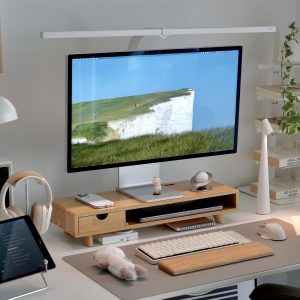
Your environment should encourage—not discourage—breaks. Keep a water bottle on your desk (hydration = more bathroom breaks = natural movement). Position your monitor so you can see the clock or timer. And consider ergonomic tools that support quick transitions: a monitor stand that raises your screen to eye level reduces neck strain during work and makes it easier to stand up without adjusting everything.
Common Excuses (And Why They Don’t Hold Up)
Let’s address the elephant in the room: “I don’t have time for breaks.”
Research says otherwise. A study from the Journal of Occupational Health Psychology found that employees who took micro-breaks reported higher job satisfaction and lower burnout—and they didn’t lose productivity. In fact, their focus improved. The problem isn’t time; it’s the belief that breaks are a luxury rather than a necessity.
Another common excuse: “I’ll forget.” That’s why timers exist. Set one. No excuses.
Finally, some worry that breaks will break their flow. But flow states are actually enhanced by periodic disengagement. Your brain needs a mental palate cleanser to maintain creativity and problem-solving ability. Think of it as pressing “save” on your progress—not deleting it.
Your 30-Minute Micro-Break Cheat Sheet
Print this out or save it to your phone. Every 30 minutes, pick one:
- Stand & stretch (90 seconds)
- Palming eye rest (30 seconds)
- Wrist shake-out (10 seconds)
- Walk to the door and back (60 seconds)
- Three deep breaths (30 seconds)
- Roll your shoulders and neck (45 seconds)
That’s it. No gym membership required. No complicated stretches. Just consistent, intentional movement.
The Bottom Line: Small Pauses, Big Payoff
The science is clear: sitting for 30 minutes without a break is bad for your spine, your metabolism, your eyes, and your brain. But the solution is simple. Micro-breaks—those 30-second to 2-minute pauses—are your body’s reset button. They prevent pain, restore focus, and protect your long-term health.
You don’t need to overhaul your entire workday. Start with one break every 30 minutes. Set a timer. Stand up. Stretch. Breathe. Your body will thank you—and your productivity might just skyrocket.
And if you’re ready to take your desk ergonomics to the next level, consider tools that support your posture between breaks: a lumbar support for your lower back, a wrist rest for your keyboard, a foot rest for better circulation, or a monitor stand to keep your screen at eye level. They’re not substitutes for movement—they’re your allies in a healthier workday.
Now, stand up. You’ve been sitting for 30 minutes.
🪑 Fix Your Desk Setup in 5 Minutes
Download the free Ergonomic Setup Checklist — 15 steps to reduce pain and work comfortably.
Get Free Checklist →