The link between Alcohol and Sleep and Fix Your Workday directly affects desk worker health. Understanding this relationship helps you address the root cause rather than just treating symptoms.
How Alcohol Destroys Your Sleep Architecture
Alcohol is a sedative, not a sleep aid. While it may help you fall asleep faster, it fragments the second half of your night. A 2018 meta-analysis in Alcoholism: Clinical and Experimental Research found that moderate to high alcohol consumption before bed reduces rapid eye movement (REM) sleep by up to 19% and increases wake-after-sleep-onset.
REM sleep is critical for emotional regulation, memory consolidation, and eye recovery — exactly what your screen-strained eyes and brain need overnight. When you skip REM, you wake up feeling unrefreshed, even after 7–8 hours in bed. Your eyes feel gritty, your focus is scattered, and your tolerance for screen glare plummets.
This is the alcohol–eye strain loop: alcohol disrupts sleep, poor sleep worsens eye strain, and eye strain makes you crave a wind-down drink. Slowvana’s recovery approach starts with breaking this cycle at the source — your sleep hygiene.
The Direct Link Between Alcohol and Eye Strain
Alcohol is a diuretic, which means it dehydrates your entire body — including your eyes. The tear film that keeps your eyes lubricated depends on adequate hydration. After even one drink, tear production decreases, leading to dry, irritated eyes the next morning.
For desk workers who already spend 8+ hours staring at screens, this compounds existing digital eye strain symptoms: dryness, blurred vision, headaches, and light sensitivity. A 2021 study in Journal of Ophthalmology reported that chronic alcohol consumption is associated with reduced tear film stability and increased dry eye symptoms.
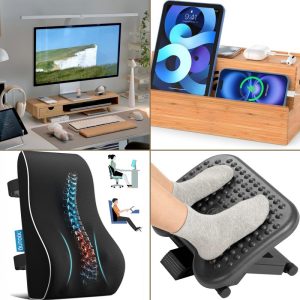
If you’re already using blue light filters or adjusting your monitor height (and you should — Slowvana’s bamboo monitor stand raises your screen to eye level, reducing neck and eye strain), alcohol could be sabotaging those efforts by dehydrating your eyes from the inside out.
Alcohol, Cortisol, and Your Recovery Window
Your body’s natural recovery happens during deep sleep stages. Alcohol elevates cortisol levels — the stress hormone — during the second half of the night. Higher cortisol means your body stays in a state of low-grade alertness, preventing the cellular repair and muscle recovery that should happen while you sleep.
For desk workers, this means your back muscles don’t fully relax, your eye muscles don’t recover from sustained screen focus, and your brain doesn’t flush out metabolic waste. This is why you can wake up after 8 hours of alcohol-influenced sleep and still feel like you pulled an all-nighter. Your recovery window was cut short.
Slowvana’s philosophy — recovery as productivity — recognizes that true work performance starts the night before. If you’re serious about reducing eye strain and improving focus at your desk, optimizing your sleep quality is Step One.
Practical Strategies to Protect Sleep Without Quitting Drinking
You don’t need to become teetotal to improve your sleep quality and reduce eye strain. These evidence-based strategies help you enjoy a drink while protecting your recovery:
1. Stop Drinking 3–4 Hours Before Bed
Alcohol metabolism takes about one hour per standard drink. If you finish your last drink at least three hours before bedtime, your body has time to process most of the alcohol before you enter deep sleep stages. This reduces REM suppression and nighttime wake-ups. Set a cutoff — for example, no drinks after 7 PM if you’re asleep by 10:30 PM.
2. Hydrate Strategically
For every alcoholic drink, drink one full glass of water. This counteracts alcohol’s dehydrating effects on your eyes and body. Keep a water bottle on your desk during the evening and alternate sips. Your tear film — and your next-day focus — will thank you.
3. Choose Lower-Alcohol Options
Not all drinks are equal. A 5% ABV beer affects sleep less than a 15% ABV glass of wine or a cocktail. Opt for lighter options: light beer, wine spritzers, or spirits with plenty of ice and soda water. Lower alcohol content means faster metabolism and less disruption to your sleep architecture.
4. Pair with a Sleep-Friendly Evening Routine
Create a wind-down ritual that signals recovery to your body: dim lights, reduce screen time 30 minutes before bed, and consider gentle stretching or journaling. This helps counterbalance alcohol’s stimulating effects on cortisol. Pair this with a consistent sleep schedule — even on weekends — to stabilize your circadian rhythm.
Frequently Asked Questions
How does alcohol affect sleep quality?
Alcohol reduces REM sleep by up to 19% and increases nighttime wake-ups. It fragments the second half of your night, leaving you unrefreshed even after 7–8 hours in bed.
Can alcohol cause eye strain?
Yes. Alcohol is a diuretic that dehydrates your body, including your eyes. Reduced tear production leads to dry, irritated eyes — compounding digital eye strain from screen use.
How long before bed should I stop drinking alcohol?
Stop drinking 3–4 hours before bedtime to allow your body to metabolize most of the alcohol before entering deep sleep stages.
What is the best drink for sleep?
Lower-alcohol options like light beer (5% ABV) or wine spritzers affect sleep less than high-ABV wine or cocktails. Always pair with water to stay hydrated.
Does alcohol affect work performance the next day?
Yes. Poor sleep from alcohol reduces focus, increases eye strain, and lowers cognitive performance. Optimizing sleep quality is the first step to better workday productivity.
Conclusion: Recovery Is Productivity
Alcohol doesn’t have to ruin your sleep or your workday. By understanding how it affects your sleep architecture, eye health, and recovery window, you can make smarter choices that protect both your rest and your performance.
Start with one small change tonight: set a cutoff time, hydrate strategically, or choose a lighter drink. Your eyes — and your tomorrow self — will thank you.
This article is part of Slowvana’s Recovery Lifestyle series, helping desk workers optimize sleep, reduce eye strain, and reclaim productivity through evidence-based habits.
🪑 Fix Your Desk Setup in 5 Minutes
Download the free Ergonomic Setup Checklist — 15 steps to reduce pain and work comfortably.
Get Free Checklist →