For desk workers, understanding Fix Focus the Next Work Day is essential for maintaining comfort and productivity throughout the workday. Here is what the research shows and how to apply it.
If you often wake up feeling mentally foggy and struggle to concentrate during work hours, you are not alone. Poor sleep, accumulated stress, and a non-ergonomic workspace can drain your cognitive resources, making the next day a battle for focus. The good news: with the right recovery habits and adjustments, you can reset your brain and reclaim your productivity. Slowvana believes recovery is the new productivity — and these 10 actionable strategies will help you fix your focus starting tomorrow.
Why Focus Falters the Next Day
Your brain needs more than sleep to function optimally. During the day, your nervous system deals with physical strain from sitting, mental fatigue from decision-making, and emotional stress from deadlines. If you don’t actively recover, these carry over. Research from the Journal of Applied Psychology shows that poor recovery after work leads to next-day exhaustion and lower cognitive performance. The key is to turn your workspace and daily habits into recovery tools, not drains.
1. Prioritize Sleep Recovery
The foundation of next-day focus is quality sleep. Most adults need 7–9 hours, but consistency matters more than duration. Going to bed and waking at the same time (even on weekends) stabilizes your circadian rhythm. Avoid screens 60 minutes before bed — blue light suppresses melatonin. If you struggle with falling asleep, our guide on natural sleep aids offers simple, screen-free routines that complement your recovery.
2. Start with a Morning Reset Routine
How you start your morning sets the tone for cognitive function. After waking, expose yourself to natural light within 30 minutes — this signals your brain to stop producing melatonin and boosts alertness. Follow with 5–10 minutes of movement (stretching, walking) to get blood flowing to the brain. Avoid checking email or social media for the first 20 minutes; let your mind transition gradually.
3. Optimize Your Desk Setup for Focus
A cluttered, ergonomically poor desk forces your brain to compensate for discomfort, draining mental energy. When your monitor is too low, you hunch forward, compressing your airway and reducing oxygen flow to the brain. This directly impairs concentration. Slowvana’s bamboo monitor stand lifts your screen to eye level, opening your posture and improving breathing. Similarly, a clean, organized desk — like Slowvana’s bamboo desk organizer — reduces visual noise, helping your brain stay calm and focused.
4. Use the 90-Minute Work Block
Your brain operates in ultradian rhythms — natural 90-minute cycles of high focus followed by fatigue. Instead of forcing yourself to grind through eight hours, work in 90-minute blocks with a 15–20 minute break between each. During the break, stand up, stretch, or step away from screens. This matches your biology and prevents the crash that kills next-day focus.
5. Incorporate Movement Breaks
Sitting for hours stiffens your neck, shoulders, and hips — common sources of pain that distract you from work. A 2021 study in International Journal of Environmental Research and Public Health found that brief movement breaks every 30 minutes improved cognitive performance by 20%. Set a timer to stand, walk, or do a few neck rolls. Even 2 minutes of stretching re-engages your brain.
6. Fuel Your Brain
Your brain runs on glucose and hydration. Dehydration by just 2% reduces attention and memory. Keep a water bottle at your desk and sip regularly. For food, choose protein-rich snacks (nuts, yogurt) over sugary ones that cause energy crashes. Avoid heavy lunches — high carb meals spike insulin and induce afternoon sleepiness. Small, frequent meals maintain steady blood sugar for sustained focus.
7. Reduce Digital Clutter
Notifications, open tabs, and constant email checks fragment your attention. Each interruption takes an average of 23 minutes to recover from. To protect next-day focus, end your current workday by closing unnecessary tabs and writing a short priority list for tomorrow. This mental closure reduces carryover stress and helps you start fresh. A tidy digital environment paired with a tidy physical desk — like Slowvana’s cable management box — prevents your brain from being overwhelmed by chaos.
8. Practice Mindfulness or Journaling
Stress from the workday accumulates in your nervous system. Without release, it shows up the next day as anxiety and poor concentration. Spend 5 minutes at the end of your shift writing down what went well and what you’ll handle tomorrow. This process, known as “implementation intention,” offloads mental burden and improves focus the following morning. If you prefer guided practices, a short breathing exercise (4-7-8 technique) can reset your stress levels.
9. Set Realistic Goals for the Day
When you’re already tired, overloading your to-do list sets you up for failure — which further drains motivation. Instead, identify the three most important tasks (MITs) and commit to finishing them first. This reduces decision fatigue and gives you a clear win early in the day. Research from the Harvard Business Review shows that setting fewer but more impactful goals improves both performance and well-being.
10. Leverage Recovery Tools
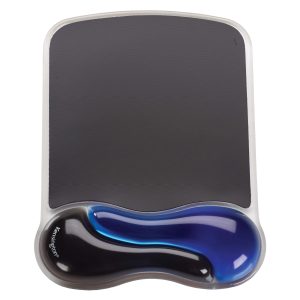
Your workspace should actively support recovery, not just accommodate work. Small ergonomic upgrades have a measurable impact on focus. Slowvana’s gel wrist rest cushions your wrists, preventing the micro-strain that pulls attention away from your screen. A bamboo laptop stand encourages an open chest posture, improving oxygen intake. Even a simple felt desk mat dampens noise and creates a quiet, calm surface — essential for deep work. These tools are not luxuries; they are investments in your next-day cognitive performance.
Recovery Is Your Competitive Edge
Fixating on grinding through each day without recovery is a recipe for burnout. The most productive desk workers understand that focus tomorrow depends on what you do today — not just during work, but after it. By integrating sleep prioritization, movement, a clean ergonomic setup, and mindful goal-setting, you can wake up each morning ready to perform at your best.
Slowvana’s recovery-first approach is built for exactly this: helping you turn your desk into a center of restoration. Start with one or two of these strategies tonight and notice the difference tomorrow.
Frequently Asked Questions
🪑 Fix Your Desk Setup in 5 Minutes
Download the free Ergonomic Setup Checklist — 15 steps to reduce pain and work comfortably.
Get Free Checklist →