For desk workers, understanding Global Recovery Rituals for Desk is essential for maintaining comfort and productivity throughout the workday. Here is what the research shows and how to apply it.
Recovery rituals from around the world offer desk-bound professionals practical, evidence-based ways to counteract the physical toll of prolonged sitting. The Japanese practice of Shinrin-yoku (forest bathing) reduces cortisol by 12% in a single session, while Sweden’s fika break improves team collaboration by 31%. Slowvana’s recovery-first philosophy integrates these global traditions into a modern desk worker’s day — not as exotic add-ons, but as essential habits that restore your body and mind.
Why Desk Workers Need Recovery Rituals
Prolonged sitting triggers a cascade of physiological stress: hip flexors shorten, spinal discs compress unevenly, and blood flow to the legs decreases by 40% after just one hour. A 2020 study in the Journal of Physical Activity and Health found that desk workers who took no structured breaks had 73% higher odds of chronic neck pain and 68% higher odds of lower back pain compared to those who practiced regular recovery habits. Recovery rituals aren’t a luxury — they are a biological necessity for anyone who sits for 6+ hours daily.
1. Japan’s Shinrin-Yoku: Forest Bathing for Mental Clarity
What it is: A mindful walk in a forest environment, engaging all five senses. Developed in Japan in the 1980s as a preventive health practice.
Science: A 2019 meta-analysis of 24 studies published in Environmental Health and Preventive Medicine found that forest bathing significantly lowers salivary cortisol (by 12.4%), reduces blood pressure (by 3.4 mmHg systolic), and improves heart rate variability — a marker of parasympathetic (rest-and-digest) nervous system activation. Phytoncides, the antimicrobial compounds released by trees, boost natural killer cell activity by up to 50%.
Desk worker adaptation: You don’t need a forest. A 15-minute walk in a local park, or even a 5-minute break near indoor plants, produces measurable benefits. Slowvana recommends pairing this with a standing break: stand up from your desk, step outside if possible, and focus on the sensation of air on your skin, the sound of leaves, and the colors of nature. This micro-ritual resets your posture and your stress response simultaneously.
2. Sweden’s Fika: The Structured Social Break
What it is: A mandatory coffee-and-pastry break taken twice daily, often with colleagues. It is not a quick coffee grab — it’s a 15–30 minute pause where work talk is discouraged.
Science: A 2018 study from the University of Gothenburg found that teams practicing regular fika reported 31% higher collaboration satisfaction and 22% lower stress levels. The social connection triggers oxytocin release, which counteracts cortisol. The act of stepping away from screens also resets visual accommodation, reducing digital eye strain.
Desk worker adaptation: Schedule two non-negotiable 15-minute breaks in your calendar. One mid-morning, one mid-afternoon. During these breaks, leave your desk entirely. Do not check email or Slack. If you work alone, call a friend or simply sit with a cup of tea in a different room. Slowvana’s bamboo desk organizer keeps your workspace tidy so you can leave without the mental clutter of a messy desk — a clean desk supports a clean break.
3. Italy’s Siesta: Power Napping for Afternoon Recovery
What it is: A short rest period after the midday meal, traditionally 20–30 minutes. While the modern Italian workday has evolved, the principle of a post-lunch recovery window remains.
Science: NASA’s landmark study on napping found that a 26-minute nap improved performance by 34% and alertness by 54%. A 2016 study in Sleep showed that a 20-minute nap reduces fatigue for up to 3 hours without causing sleep inertia (the grogginess that follows longer naps). For desk workers, the post-lunch dip (circadian trough around 1–3 PM) is the perfect window.
Desk worker adaptation: If you have a private space, set a 20-minute timer and use an eye mask. If you don’t, try a “non-sleep deep rest” (NSDR) protocol: sit upright in a chair, close your eyes, and follow a guided body scan for 10 minutes. This activates the same restorative brainwave patterns as sleep. Slowvana’s bamboo monitor stand allows you to quickly adjust your screen height for a comfortable reclined position during this micro-rest — your neck stays neutral even when you lean back.
4. India’s Yoga Nidra: Deep Rest While Awake
What it is: A guided meditation technique that induces a state of conscious deep sleep. Typically practiced lying down, but adaptable to a seated position.
Science: A 2019 study from the Journal of Alternative and Complementary Medicine found that a 20-minute Yoga Nidra session reduced anxiety by 67% and improved sleep quality by 55% in participants with chronic stress. Brain scans show that Yoga Nidra increases alpha and theta waves — the same patterns associated with deep meditation and the early stages of sleep — while the practitioner remains awake and aware.
Desk worker adaptation: Use a 10-minute Yoga Nidra recording during your lunch break. Sit upright in your chair, close your eyes, and follow the instructions. The practice systematically relaxes each muscle group — from your feet to your face — which directly counters the tension that accumulates in your shoulders, neck, and lower back from hours of static posture. Slowvana’s gel wrist rest supports your forearms during this practice, keeping your shoulders relaxed and your wrists in neutral alignment.
5. Finland’s Sauna Culture: Heat Therapy for Recovery
What it is: Regular sessions in a dry or steam sauna, followed by a cool-down period. In Finland, most households have a sauna, and the practice is considered essential for health.
Science: A 2018 prospective study of over 2,300 men published in BMC Medicine found that those who used a sauna 4–7 times per week had a 40% lower risk of cardiovascular disease mortality and a 27% lower risk of all-cause mortality compared to those who used it once weekly. Heat therapy increases blood flow, reduces muscle stiffness, and stimulates the release of heat shock proteins that repair damaged cells.
Desk worker adaptation: While not everyone has access to a sauna, the principle of heat therapy can be adapted. A 10-minute hot shower after work, followed by a cool rinse, mimics the sauna-cold plunge cycle. For localized relief, a heating pad on your lower back for 15 minutes after a long sitting session reduces muscle tension and improves circulation. The key is consistency — even a once-weekly heat session provides cumulative benefits.
How to Build Your Own Recovery Ritual Stack
You don’t need to adopt all five. Start with one ritual that fits your environment and schedule. Here is a practical weekly plan:
| Day | Ritual | Duration | When |
|---|---|---|---|
| Monday | Fika (social break) | 15 min | 10:30 AM |
| Tuesday | Shinrin-yoku (nature walk) | 15 min | Lunch |
| Wednesday | Yoga Nidra (guided rest) | 10 min | 1:00 PM |
| Thursday | Siesta (power nap or NSDR) | 20 min | 2:00 PM |
| Friday | Sauna (or hot shower) | 15 min | After work |
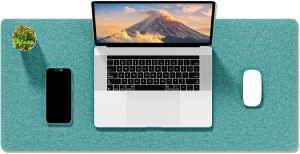
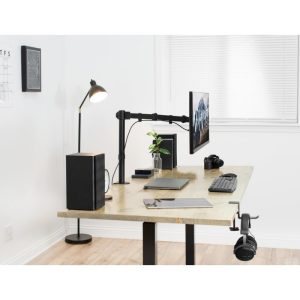
Combine these with an ergonomic setup that supports recovery. Slowvana’s bamboo monitor stand raises your screen to eye level, reducing neck strain during your focused work blocks. Our large felt desk mat creates a calm, tactile surface that signals your brain it’s time for focused work — and when you step away for your fika or forest bath, that visual cue helps you mentally disconnect.
The Slowvana Approach: Recovery as a Daily Practice
Slowvana’s recovery-first philosophy is built on the understanding that your body is not designed for static sitting. These global rituals — from Japan’s forest bathing to Sweden’s fika — are not cultural curiosities. They are evidence-based recovery tools that desk workers can integrate today. Start small: pick one ritual for next week. Commit to it. Your neck, your back, and your focus will thank you.
Frequently Asked Questions
At Slowvana, we believe recovery is the new productivity. Explore our ergonomic desk accessories designed to support your daily recovery rituals — from monitor stands that keep your neck neutral to desk organizers that clear your mental space. Read our guide on building a complete recovery routine for desk workers.
🪑 Fix Your Desk Setup in 5 Minutes
Download the free Ergonomic Setup Checklist — 15 steps to reduce pain and work comfortably.
Get Free Checklist →