Understanding the Role of Magnesium in Sleep and Muscle Recovery for Desk Workers is essential for desk workers because it directly impacts your comfort, productivity, and long-term health.
Why Desk Workers Are at Risk for Magnesium Deficiency
If you spend 8+ hours a day sitting at a desk, you’ve likely experienced the cycle: tight shoulders, restless sleep, and a foggy morning that makes you reach for another coffee. While you might blame your chair or screen time, the missing link could be something far simpler—and more essential: magnesium.
Magnesium is involved in over 300 biochemical reactions in the body, including muscle relaxation, nerve function, and the production of the sleep hormone melatonin. Yet according to the National Institutes of Health, nearly 50% of Americans consume less than the recommended daily intake of magnesium. For desk workers, this deficiency is compounded by chronic stress, poor posture, and prolonged sitting—all of which deplete magnesium levels faster.
In this article, we’ll explore how magnesium supports sleep and muscle recovery specifically for desk workers, and how you can incorporate it into your routine—alongside ergonomic adjustments—to break the cycle of tension and fatigue.
The Science of Magnesium for Sleep Quality
Sleep is when your body repairs itself. But for many desk workers, falling asleep or staying asleep is a struggle. Magnesium plays a key role in regulating the nervous system and promoting deep, restorative sleep.
How Magnesium Helps You Fall Asleep Faster
Magnesium binds to gamma-aminobutyric acid (GABA) receptors in the brain, which calm neural activity. A 2012 study published in the Journal of Research in Medical Sciences found that magnesium supplementation improved sleep quality in older adults with insomnia. While the study focused on an older demographic, the mechanism applies to anyone with elevated cortisol—common among desk workers facing deadlines and screen fatigue.
When cortisol stays high at night, it suppresses melatonin. Magnesium helps lower cortisol, allowing your body’s natural sleep-wake cycle to function. A warm magnesium drink before bed isn’t just a wellness trend—it’s biochemistry.
Magnesium and Deep Sleep (Slow-Wave Sleep)
Deep sleep is the stage where muscle repair and memory consolidation occur. A 2021 review in Nutrients highlighted that magnesium deficiency is associated with reduced slow-wave sleep. For desk workers, this means waking up still tired, even after 7–8 hours in bed. By replenishing magnesium, you can increase the time spent in this critical recovery phase.
“Magnesium is the gatekeeper of the NMDA receptor, which governs sleep architecture. Without enough, your brain stays in a state of hyperarousal.” — Dr. Stacy Sims, exercise physiologist and nutrition researcher
Magnesium for Muscle Recovery: Why Desk Workers Need It
You might not run marathons, but sitting still for hours creates its own form of muscular stress. Your trapezius, lower back, and hip flexors are under constant low-grade tension. Magnesium helps these muscles let go.
Reducing Muscle Tension and Cramps
Magnesium acts as a natural calcium channel blocker. Calcium causes muscles to contract; magnesium helps them relax. Without adequate magnesium, muscles can remain partially contracted, leading to chronic tightness in the neck, shoulders, and lower back—the classic desk worker pain map.
In a 2017 study in PLOS ONE, magnesium supplementation reduced muscle soreness and improved recovery in athletes. While desk workers aren’t athletes, the same principle applies: magnesium reduces the time muscles need to return to a relaxed state after prolonged contraction.
Combating Inflammation from Prolonged Sitting
Prolonged sitting increases inflammatory markers like C-reactive protein (CRP). Magnesium has anti-inflammatory properties. A 2014 meta-analysis in the European Journal of Clinical Nutrition found that higher magnesium intake was associated with lower CRP levels. For desk workers, this means less joint stiffness and faster recovery from the micro-trauma of static postures.
Best Types of Magnesium for Desk Workers
Not all magnesium is created equal. The form matters for absorption and specific benefits. Here’s what to look for:
| Type | Best For | Notes |
|---|---|---|
| Magnesium Glycinate | Sleep and relaxation | Highly absorbable, gentle on stomach. Ideal for evening use. |
| Magnesium Malate | Energy and muscle pain | Supports ATP production. Good for morning or afternoon. |
| Magnesium Citrate | Digestion and mild deficiency | More likely to cause loose stools. Best for short-term use. |
| Magnesium L-Threonate | Cognitive function and sleep | Crosses blood-brain barrier. Emerging research for brain health. |
| Magnesium Chloride (topical) | Localized muscle tension | Used in oils or sprays for neck and shoulders. |
Pro tip for desk workers: Start with 200–300 mg of magnesium glycinate 30–60 minutes before bed. Combine with a foot rest under your desk to reduce pressure on your lower back—less tension means better absorption of any supplement.
Food Sources of Magnesium for Desk Workers
While supplements are effective, whole foods offer additional fiber and phytonutrients. Incorporate these into your desk-friendly meals:
- Pumpkin seeds (1 oz = 168 mg magnesium) – Easy to snack on at your desk.
- Almonds (1 oz = 80 mg) – Pair with dark chocolate for a magnesium-rich treat.
- Spinach (1 cup cooked = 157 mg) – Add to lunch salads or smoothies.
- Black beans (1 cup = 120 mg) – Great for meal prep bowls.
- Avocado (1 medium = 58 mg) – Spread on whole-grain toast.
- Bananas (1 medium = 32 mg) – Quick pre-workout or afternoon snack.
Pair these with hydration. Even mild dehydration can worsen magnesium loss. Keep a water bottle at your desk and set a reminder to sip every hour.
Ergonomic Adjustments to Complement Magnesium
Magnesium supports your internal recovery, but your external environment matters too. Combine supplementation with smart ergonomics to break the tension cycle.
Reduce Neck and Shoulder Tension
When your monitor is too low, you crane your neck forward, straining the upper trapezius. A monitor stand raises your screen to eye level, keeping your spine neutral. This reduces the constant low-level contraction that depletes magnesium in muscle tissue.
Support Your Wrists and Forearms
Typing with unsupported wrists can cause forearm tightness and carpal tunnel symptoms. A wrist rest keeps your wrists in a neutral position, reducing strain. Less muscular tension means your magnesium can focus on deeper repair rather than fighting daily micro-injuries.
Align Your Lower Back and Hips
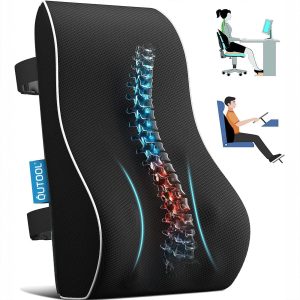
Prolonged sitting shortens your hip flexors and stresses your lumbar spine. A lumbar support cushion maintains the natural curve of your lower back. Pair this with a foot rest to keep your knees at 90 degrees, which reduces pressure on your lower back and allows your pelvic floor to relax.
“Ergonomics and nutrition are two sides of the same coin. You can’t stretch or supplement your way out of a poorly set up workstation.” — Dr. Alan Hedge, professor of ergonomics at Cornell University
Signs You Might Be Magnesium Deficient
If you’re a desk worker experiencing any of the following, magnesium deficiency could be a contributing factor:
- Waking up tired despite 7–8 hours of sleep
- Frequent muscle cramps or twitching (especially in calves or eyelids)
- Tension headaches by mid-afternoon
- Difficulty falling asleep or staying asleep
- Irritability or anxiety that peaks during work hours
- Constipation or bloating
If these sound familiar, consider tracking your magnesium intake for a week. Most adults need 310–420 mg per day (varies by age and gender). A food diary app can help you see where you fall short.
How to Build a Magnesium-Rich Evening Routine
Consistency matters more than dosage. Here’s a simple protocol for desk workers:
- 30 minutes before bed: Take 200–300 mg magnesium glycinate with a glass of water.
- Dim the lights: Blue light suppresses melatonin. Use warm lighting or blue-light blocking glasses.
- Gentle stretch: 5 minutes of neck rolls and seated spinal twists. Magnesium helps muscles relax, but you need to signal them to release.
- Topical magnesium spray: Apply to your neck and shoulders if you carry tension there. Massage gently for 1–2 minutes.
- Set up your workstation for tomorrow: Adjust your monitor stand, wrist rest, and lumbar support so you start the day in neutral alignment.
This routine addresses both the internal (magnesium) and external (ergonomics) factors that keep desk workers stuck in a cycle of poor sleep and muscle tension.
Potential Side Effects and Precautions
Magnesium is generally safe, but more isn’t always better. High doses (above 350 mg from supplements) can cause diarrhea, nausea, and abdominal cramping. Always start with the lowest effective dose and increase slowly.
Who should consult a doctor first:
- People with kidney disease or impaired kidney function
- Those taking diuretics, antibiotics, or medications for osteoporosis
- Anyone with a history of heart rhythm disorders
For most desk workers, food sources combined with a moderate supplement are safe and effective. Listen to your body.
Final Takeaway: Magnesium Is Your Desk Worker Ally
Sleep and muscle recovery aren’t luxuries—they’re biological requirements. For desk workers, magnesium addresses the root cause of many common complaints: chronic tension, poor sleep, and slow recovery. By combining magnesium (through food, supplements, or topical application) with ergonomic adjustments like a monitor stand, wrist rest, lumbar support, and foot rest, you create a feedback loop of recovery. Less tension means better sleep. Better sleep means less tension the next day.
Start small. Add a magnesium-rich snack to your afternoon. Try a glycinate supplement before bed. Adjust your chair and screen height. Your body will thank you—with deeper sleep, looser shoulders, and more energy to tackle your workday.
🪑 Fix Your Desk Setup in 5 Minutes
Download the free Ergonomic Setup Checklist — 15 steps to reduce pain and work comfortably.
Get Free Checklist →