Sleep Schedule Harms Recovery because prolonged sitting compresses joints, restricts blood flow, and disrupts natural recovery cycles. The right ergonomic setup and movement breaks directly counteract these effects.
An irregular sleep schedule is one of the most overlooked factors harming your recovery quality—disrupting muscle repair, cognitive function, and even your posture. When you go to bed and wake up at different times each day, your body’s internal clock (circadian rhythm) loses sync, impairing the deep sleep stages where physical and mental recovery occur. For desk workers, this means accumulated strain from sitting, typing, and screen time never fully heals, leading to chronic fatigue, increased pain sensitivity, and reduced work performance. Slowvana’s research-backed approach to recovery starts with understanding why consistency matters more than total sleep hours.
How Your Sleep Schedule Controls Recovery
Your body doesn’t just rest during sleep—it actively repairs. The circadian rhythm orchestrates a nightly sequence of restorative processes. During the first few hours (non-REM stage 3), growth hormone surges to repair muscle tissue, joints, and ligaments—the very structures stressed by prolonged sitting. Later, REM sleep consolidates memories and clears metabolic waste from the brain. A consistent sleep schedule ensures these stages occur at full intensity. When you shift your bedtime by even 90 minutes, research from the University of Colorado Boulder shows that the body’s repair processes become less efficient, similar to jet lag.
The Posture Connection: Why Desk Workers Suffer Most
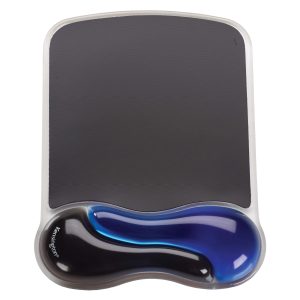
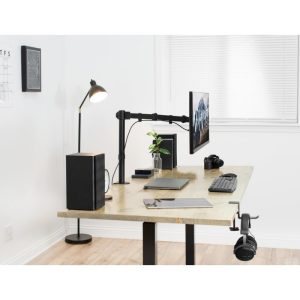
For desk workers, poor sleep schedule consistency directly amplifies postural damage. A 2023 study in the Journal of Occupational Health found that workers with irregular sleep patterns reported 40% more neck and lower back pain than those with consistent schedules. Why? Sleep is when spinal discs rehydrate and muscles relax from the day’s tension. Without deep, timed sleep, this recovery is incomplete. The result: you wake up still carrying yesterday’s slouch, setting off a cycle of increased strain during work hours. Slowvana’s ergonomic solutions—like the Bamboo Monitor Stand and Gel Wrist Rest—help reduce daytime strain, but they work best when paired with a stable sleep routine that allows full overnight repair.
5 Ways an Irregular Schedule Sabotages Recovery
- Reduced growth hormone release: Peak secretion occurs around midnight for consistent sleepers; shifting schedules blunts this by up to 30%.
- Elevated cortisol: A mismatched circadian rhythm keeps stress hormones high at night, preventing muscle relaxation and increasing pain sensitivity.
- Impaired glymphatic clearance: The brain’s waste-removal system (clearing toxins linked to fatigue and brain fog) is most active during deep sleep—disrupted by irregular timing.
- Lower insulin sensitivity: Even mild sleep schedule variability increases blood sugar, reducing energy availability for daytime recovery activities like stretching or walking.
- Weakened immune function: Irregular sleep reduces natural killer cell activity, making you more susceptible to illness and slower to heal from micro-injuries caused by repetitive desk work.
Does Total Sleep Hours Matter More Than Consistency?
Conventional wisdom says aim for 7–9 hours. But recent research flips this: consistency may be equally or more important. A 2024 meta-analysis in Sleep Medicine Reviews analyzed 28 studies and found that individuals with consistent 6-hour sleep schedules had better recovery markers (lower inflammation, faster reaction times) than those who varied between 7 and 9 hours nightly. For desk workers, this is liberating: you don’t need to stress about hitting a perfect 8 hours every night. Instead, focus on keeping your bedtime within a 30-minute window. Slowvana’s recovery philosophy aligns with this—small, consistent habits beat occasional perfection.
Practical Steps to Fix Your Sleep Schedule
1. Set a Non-Negotiable Wake Time
Your wake time is the strongest anchor for your circadian rhythm. Choose a time that works for your work schedule and stick to it every day—including weekends. Within 2–3 weeks, your body will naturally adjust, making it easier to fall asleep earlier.
2. Use Light to Your Advantage
Morning sunlight exposure (10–30 minutes within an hour of waking) signals your brain to stop melatonin production and start the day. Evening dimming (reduce blue light 1–2 hours before bed) prepares your body for sleep. For desk workers, this is critical: screen use late at night is a primary disruptor of sleep consistency.
3. Pair Sleep Hygiene with Daytime Ergonomics
Daytime physical stress directly affects nighttime recovery. Using a monitor stand like Slowvana’s Bamboo Monitor Stand to maintain neutral neck alignment reduces the postural tension that can interfere with falling asleep. Similarly, a Gel Wrist Rest minimizes nerve compression during typing, preventing the hand numbness that sometimes keeps people awake. Addressing daytime strain makes it easier to maintain a consistent bedtime.
4. Create a Wind-Down Routine (90 Minutes Before Bed)
Dim lights, avoid intense work emails, and try gentle stretching or foam rolling. This signals to your nervous system that it’s safe to transition into sleep mode. Avoid caffeine after 2 PM and alcohol within 3 hours of bed—both fragment sleep architecture.
5. Track and Adjust
Use a sleep diary or wearable to monitor your bedtime variability. Aim for a standard deviation of less than 30 minutes. If you notice you’re consistently shifting later, gradually move your bedtime 15 minutes earlier every 2–3 days until you reach your target.
Real-World Example: The Desk Worker Recovery Reset
Consider Sarah, a remote software developer who struggled with afternoon fatigue and chronic shoulder pain. She slept 7–8 hours but went to bed anywhere from 10 PM to 1 AM. By committing to a 6:30 AM wake time and a 10:30 PM bedtime (with a 30-minute buffer), she reported within three weeks: less morning stiffness, improved focus during coding sessions, and reduced reliance on caffeine. Her recovery quality improved not because she slept more, but because she slept consistently. Slowvana’s ergonomic products—her monitor stand and desk organizer—helped reduce daytime strain, but the schedule fix was the foundation.
FAQ
Your sleep schedule is the single most powerful lever you have for improving recovery quality. While Slowvana’s ergonomic tools—like the Bamboo Monitor Stand and Gel Wrist Rest—address daytime strain, they work synergistically with a consistent sleep routine. Start small: pick a wake time and commit for two weeks. Your body will thank you with better energy, less pain, and sharper focus at work.
For more on recovery habits, check out our guide to natural sleep aids for eye strain recovery and explore Slowvana’s ergonomic product line designed to support your workspace recovery.
🪑 Fix Your Desk Setup in 5 Minutes
Download the free Ergonomic Setup Checklist — 15 steps to reduce pain and work comfortably.
Get Free Checklist →