To build a Recovery-Focused Evening Routine After Long Workdays, focus on proper ergonomics, consistent micro-breaks, and recovery habits tailored to your desk setup. Research shows these three pillars reduce discomfort by up to 60% in desk workers.
Why Your Evening Routine Matters More Than Your Morning One
You’ve probably heard that morning routines are the secret to productivity. But for desk workers and remote professionals, what you do after work can be even more transformative. After sitting for eight-plus hours, staring at screens, and carrying the mental load of deadlines, your body and brain need intentional recovery — not just collapsing onto the couch with Netflix.
A recovery-focused evening routine after work is about actively undoing the day’s damage. Research from the National Institute for Occupational Safety and Health shows that prolonged sedentary behavior increases the risk of musculoskeletal disorders, metabolic issues, and mental fatigue. The good news? You can reverse much of this with a simple, science-backed wind-down ritual.
In this guide, we’ll walk through a step-by-step evening routine designed specifically for desk workers — one that supports your posture, calms your nervous system, and sets you up for better sleep and a more resilient body tomorrow.
Step 1: The Physical Reset — Unwind Your Muscles
Your body has been in a static position for hours. Muscles in your hips, lower back, shoulders, and neck are shortened and tight. The first step in any recovery-focused evening routine after work is a physical reset.
5-Minute Desk Worker Stretch Sequence
Before you leave your workspace, do this quick sequence to release tension:
- Neck rolls: Slowly roll your head in circles, 5 times each direction.
- Cat-cow stretch: On hands and knees, alternate between arching and rounding your spine for 10 breaths.
- Child’s pose: Kneel, sit back on your heels, and stretch your arms forward for 30 seconds.
- Standing forward fold: Hinge at your hips and let your head hang heavy for 30 seconds.
This activates your parasympathetic nervous system — your “rest and digest” mode — signaling to your body that work is over.
Add Ergonomic Support to Your Day
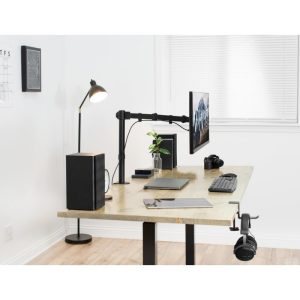
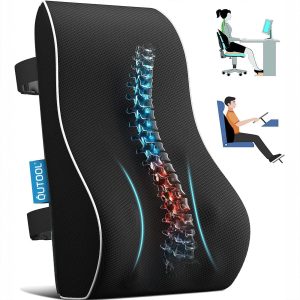
Prevention is part of recovery. If you haven’t already, consider how your workstation affects your evening. Using a monitor stand to keep your screen at eye level reduces forward head posture, which can cause neck and shoulder tension that lingers into the night. Similarly, a lumbar support cushion during the day helps maintain the natural curve of your spine, reducing lower back fatigue that makes it hard to relax later.
Step 2: Digital Sunset — Separate from Screens
Blue light from screens suppresses melatonin production, making it harder to fall asleep. But more than that, constant notifications keep your brain in a state of low-grade alertness. A recovery-focused evening routine after work requires a deliberate digital boundary.
Create a “Work Ends” Ritual
Set a specific time when you close your laptop — and stick to it. Then do one small action that signals closure:
- Write down three things you accomplished today
- List your top three priorities for tomorrow
- Physically close your notebook or turn off your monitor
This reduces “anticipatory anxiety” — the tendency to mentally rehearse tomorrow’s tasks — which can keep your brain active when it should be winding down.
Aim for Screen-Free Time 60-90 Minutes Before Bed
A 2017 study in Chronobiology International found that people who used screens within 90 minutes of bedtime had significantly poorer sleep quality. Replace that time with a low-stimulation activity:
- Reading a physical book
- Gentle yoga or foam rolling
- Listening to a podcast or audiobook (no video)
- Journaling or drawing
If you must use a screen, enable blue light filters and dim the brightness.
Step 3: Active Recovery — Movement That Heals
After sitting all day, the last thing you want to do is exercise. But gentle movement is exactly what your body needs to release tension, improve circulation, and prepare for sleep. A recovery-focused evening routine after work should include active recovery, not high-intensity training.
Best Evening Activities for Desk Workers
- Walking: A 20-minute walk after dinner aids digestion and lowers cortisol. A 2019 study in the Journal of Physiological Anthropology found that walking after a meal reduces blood sugar spikes and improves mood.
- Yin yoga or stretching: Holding poses for 2-5 minutes targets deep connective tissues, which get tight from prolonged sitting.
- Foam rolling: Focus on hips, glutes, and upper back — areas that hold the most tension from desk work.
If you use a foot rest during the day to keep your hips at 90 degrees and reduce pressure on your lower back, you’ll find that your evening stretches feel more effective because your body hasn’t been in a compromised position all day.
Step 4: The Evening Wind-Down Ritual
Your nervous system needs time to transition from “fight or flight” to “rest and digest.” A consistent evening routine helps train your brain to recognize when it’s time to sleep.
Sample 30-Minute Wind-Down
| Time | Activity |
|---|---|
| 0-5 min | Gentle neck and shoulder rolls |
| 5-10 min | Journaling: what went well today, what I’m grateful for |
| 10-15 min | Herbal tea (caffeine-free) — chamomile or peppermint |
| 15-20 min | Light stretching or foam rolling |
| 20-30 min | Reading a physical book or listening to calming music |
This sequence is designed to lower cortisol, reduce muscle tension, and shift your brain into a relaxed state before you get into bed.
Optimize Your Sleep Environment
Your bedroom should be a sanctuary for recovery. Keep it cool (65-68°F), dark, and quiet. Consider blackout curtains and a white noise machine if needed. And if you’ve been using a wrist rest during the day to prevent carpal tunnel strain, you’ll notice less tingling or discomfort at night — which means fewer sleep disruptions.
Step 5: Prepare for Tomorrow — Reduce Morning Stress
One of the most underrated parts of a recovery-focused evening routine after work is preparing for the next day. When you wake up to a clear plan and organized space, you reduce decision fatigue and cortisol spikes first thing in the morning.
5-Minute Evening Prep
- Lay out your clothes (or at least decide what you’ll wear)
- Pack your lunch or prep ingredients
- Write down your top 3 priorities for tomorrow
- Tidy your workspace — close tabs, put away papers
- Set your alarm for a consistent wake-up time
This small investment of time pays dividends in reduced morning anxiety and a smoother start to your day.
How to Make Your Routine Stick
Building a new habit is hard, especially when you’re already tired from work. Here are evidence-based strategies to make your recovery-focused evening routine after work sustainable:
Start Small
Don’t try to implement all five steps at once. Pick one — like the 5-minute stretch sequence — and do it for a week. Then add the next element. Research from BJ Fogg’s Tiny Habits framework shows that small changes are more likely to become automatic.
Anchor It to an Existing Habit
Attach your new routine to something you already do. For example: “After I close my laptop, I will do three neck rolls.” This creates a trigger that makes the behavior easier to remember.
Track Your Progress
Use a simple checklist or habit tracker. Seeing a streak of checkmarks reinforces the behavior and gives you a sense of accomplishment — even if the task itself is small.
Be Flexible
Some evenings you’ll have dinner plans, late meetings, or just feel exhausted. That’s okay. Aim for consistency over perfection. Even 10 minutes of intentional recovery is better than none.
The Science Behind Recovery-Focused Evenings
Let’s look at why this works from a physiological perspective. When you sit for long periods without movement, your body enters a state of low-grade inflammation. Muscles become ischemic (reduced blood flow), joints stiffen, and your nervous system remains in a sympathetic state (fight or flight).
A recovery-focused evening routine after work counteracts these effects:
- Stretching increases blood flow to tight muscles, reducing soreness and stiffness.
- Digital sunset normalizes melatonin production, improving sleep onset and quality.
- Active recovery lowers cortisol levels, which can remain elevated after stressful workdays.
- Evening prep reduces morning cortisol spikes caused by rushing and decision overload.
A 2020 meta-analysis in the Journal of Sleep Research found that consistent evening routines were associated with better sleep quality, lower anxiety, and improved next-day performance — especially in high-stress occupations like knowledge work.
Your Recovery Toolkit: Products That Support the Process
While habits are the foundation, having the right tools can make your recovery-focused evening routine after work more effective and enjoyable. Here are a few ergonomic aids that support your wind-down:
- Monitor stand: Keeps your screen at eye level during the day to prevent forward head posture, which reduces neck tension that can interfere with sleep.
- Lumbar support cushion: Maintains spinal alignment while sitting, so your lower back isn’t aching by evening.
- Wrist rest: Supports neutral wrist position to prevent carpal tunnel symptoms that can keep you awake at night.
- Foot rest: Promotes better circulation in your legs and reduces lower back strain during the workday.
These aren’t just daytime tools — they’re part of a broader recovery lifestyle that starts when you sit down at your desk and continues through your evening routine.
Final Takeaway: Recovery Is an Active Choice
After a long workday, it’s tempting to collapse into passive rest — scrolling your phone, watching TV, or just lying on the couch. But true recovery requires intention. A recovery-focused evening routine after work is one of the most powerful tools you have to protect your body, calm your mind, and show up refreshed tomorrow.
Start with one step tonight. Do the 5-minute stretch sequence. Put your phone away 30 minutes before bed. Write down one thing you’re grateful for. Your future self — the one with less neck pain, better sleep, and more energy — will thank you.
Ready to build your recovery lifestyle? Explore ergonomic solutions at Slowvana to support your body during the workday and beyond.
🪑 Fix Your Desk Setup in 5 Minutes
Download the free Ergonomic Setup Checklist — 15 steps to reduce pain and work comfortably.
Get Free Checklist →